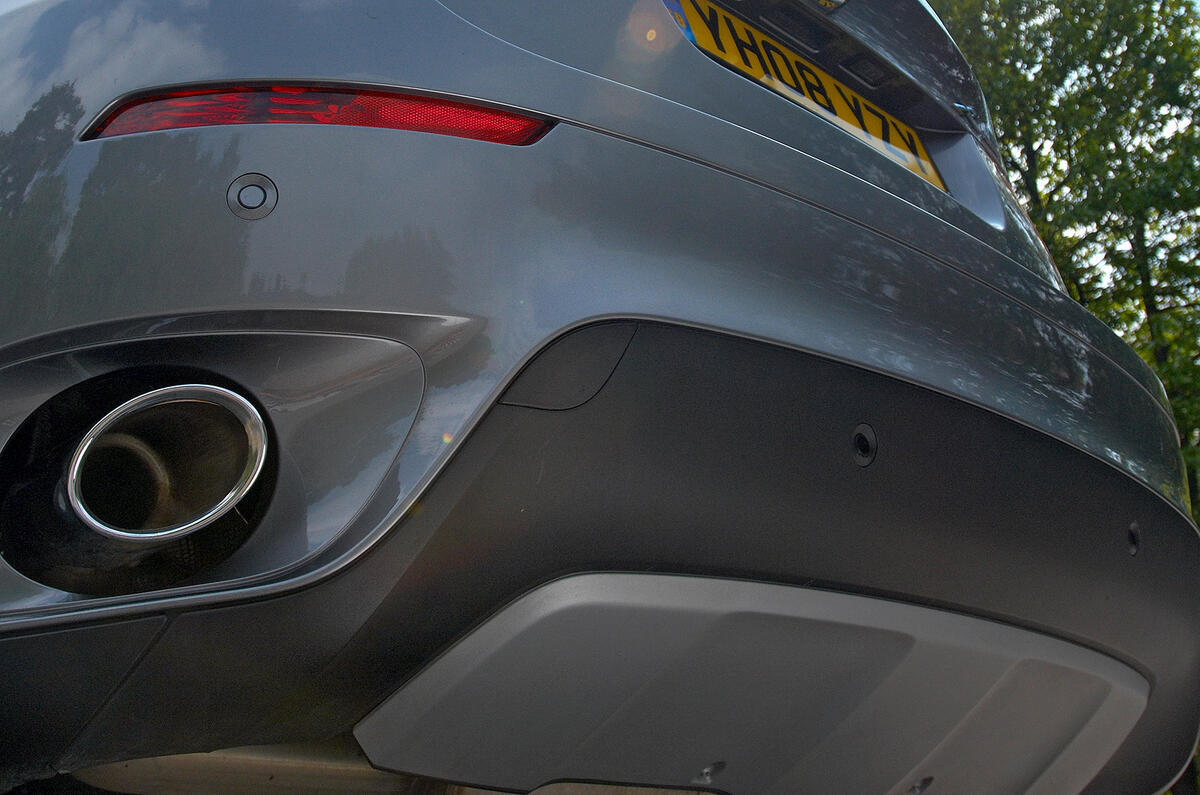
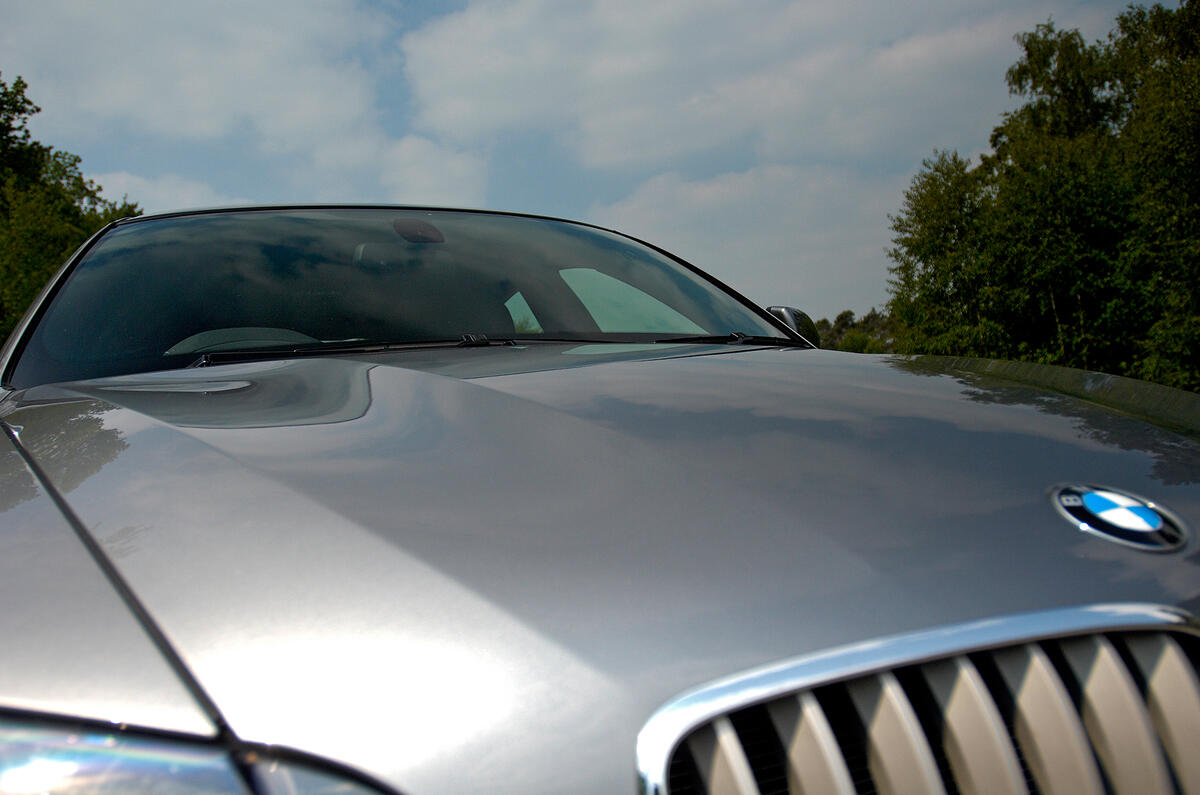
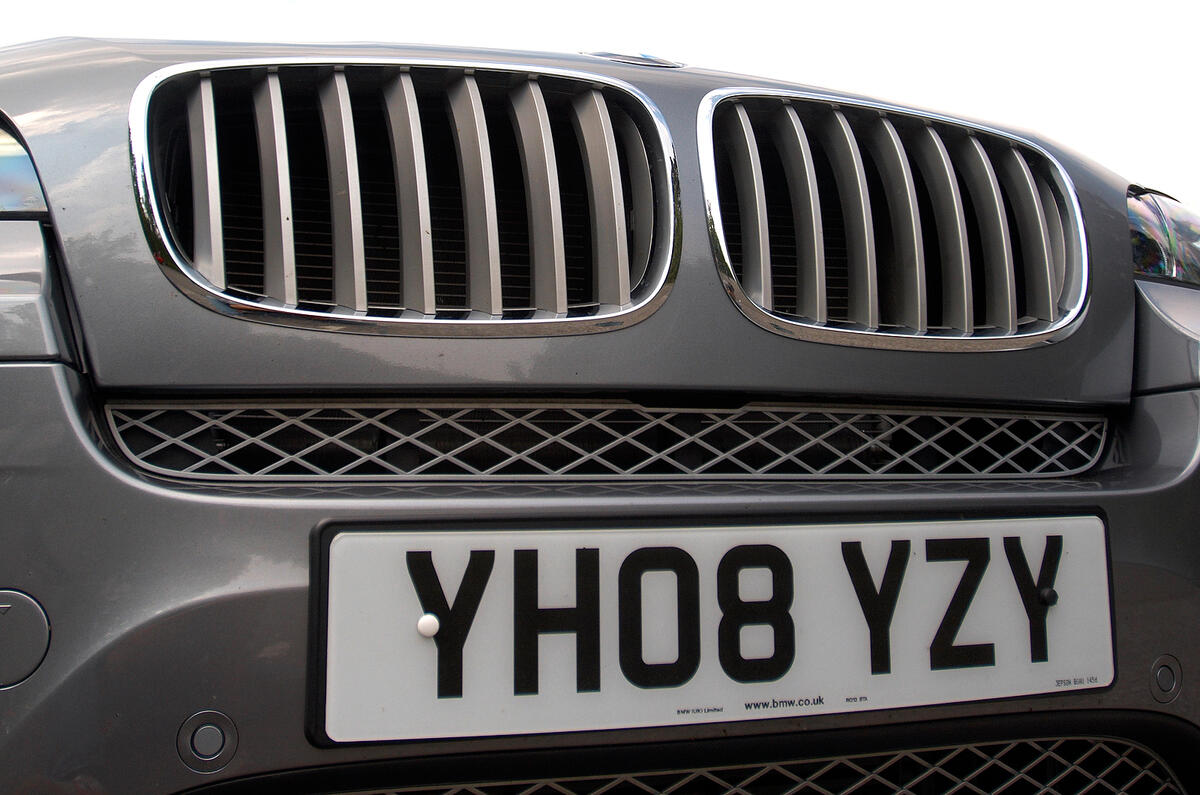
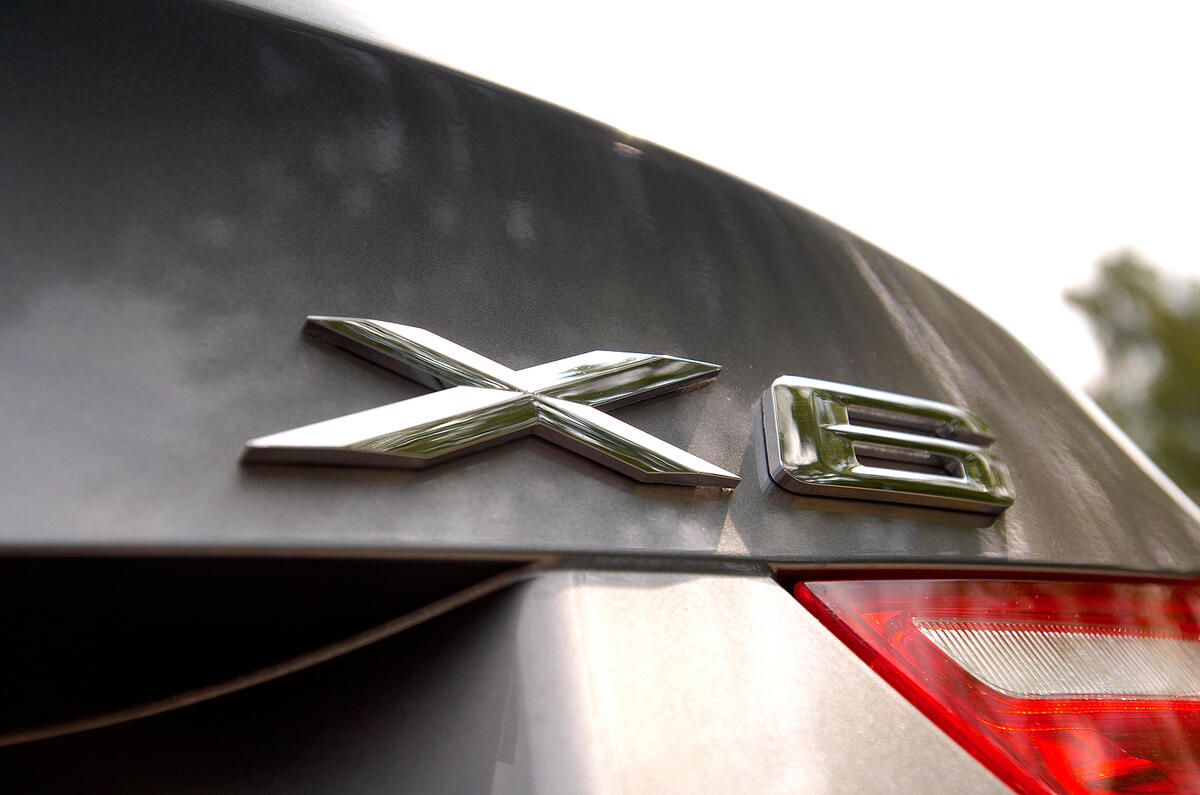
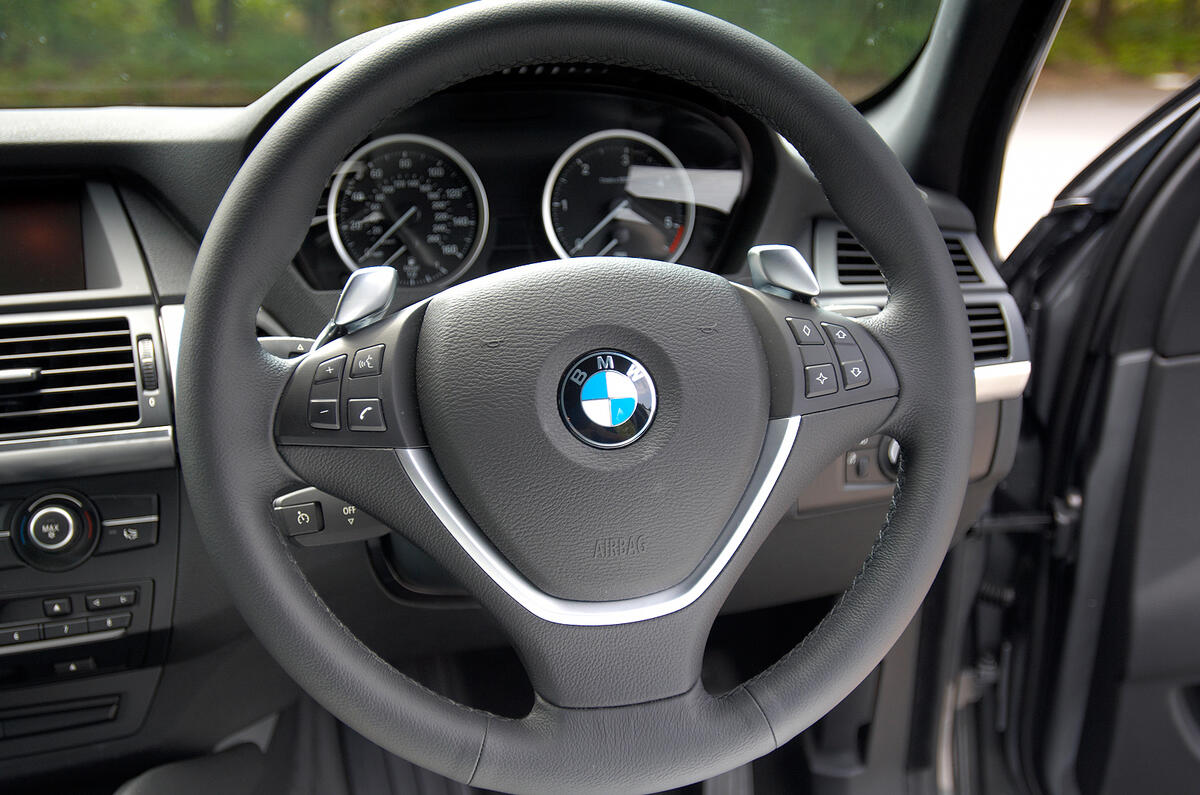
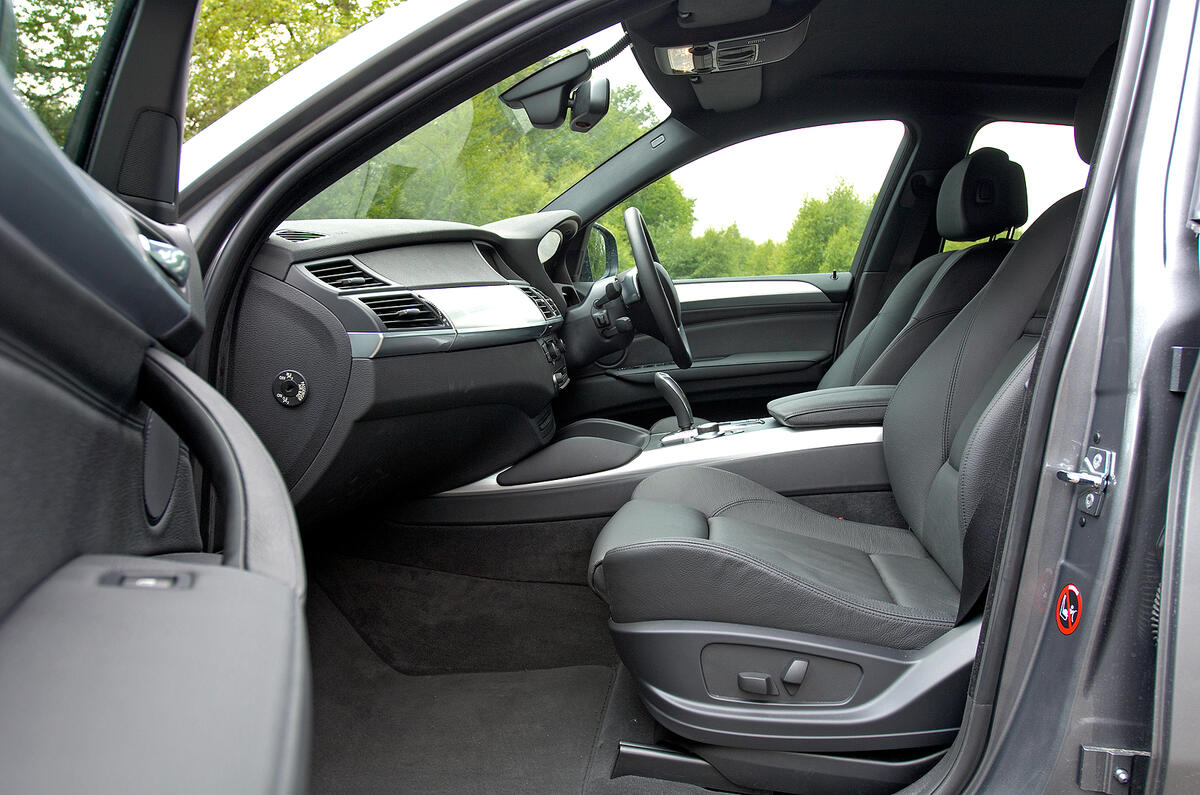
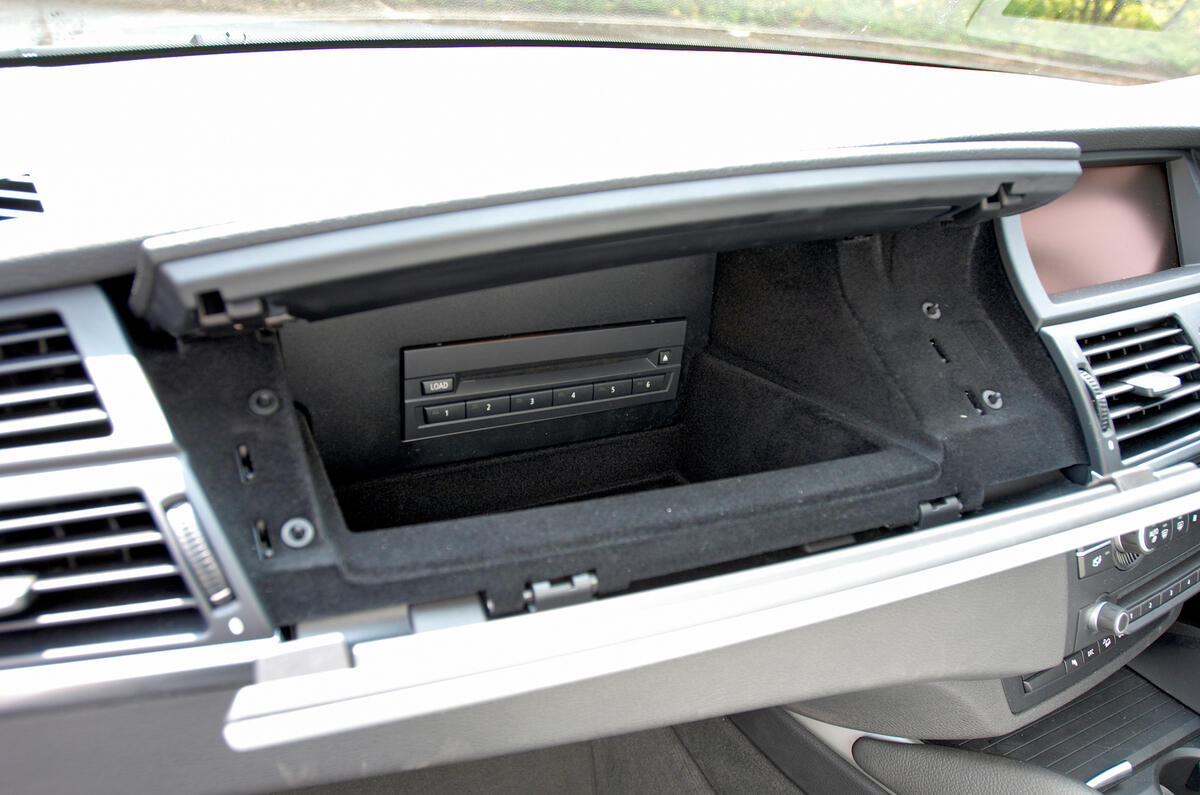
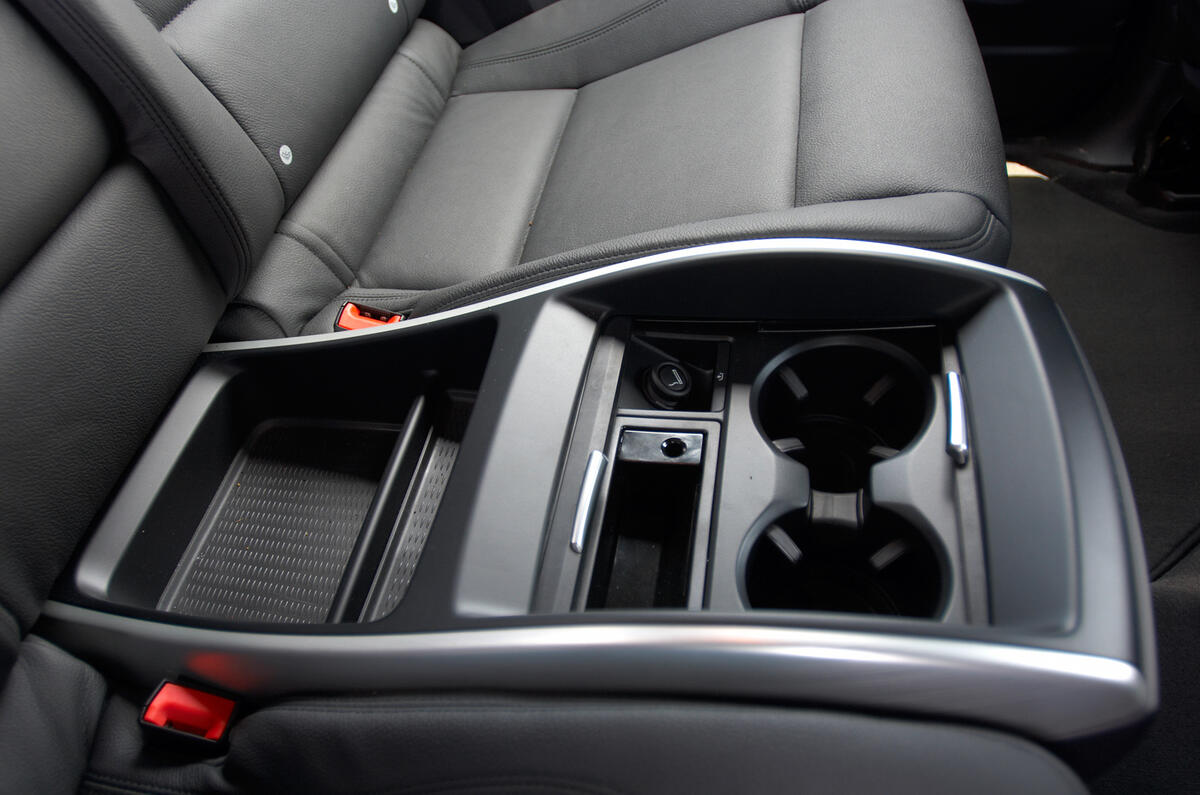
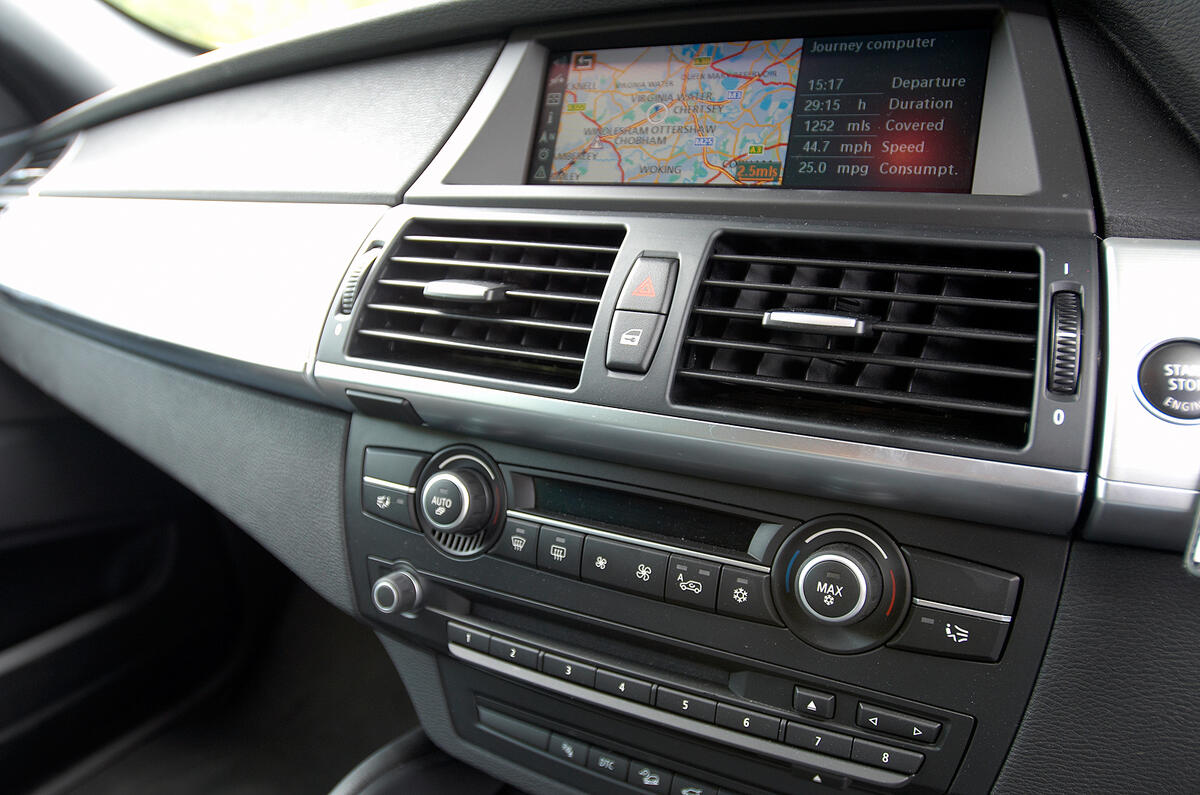
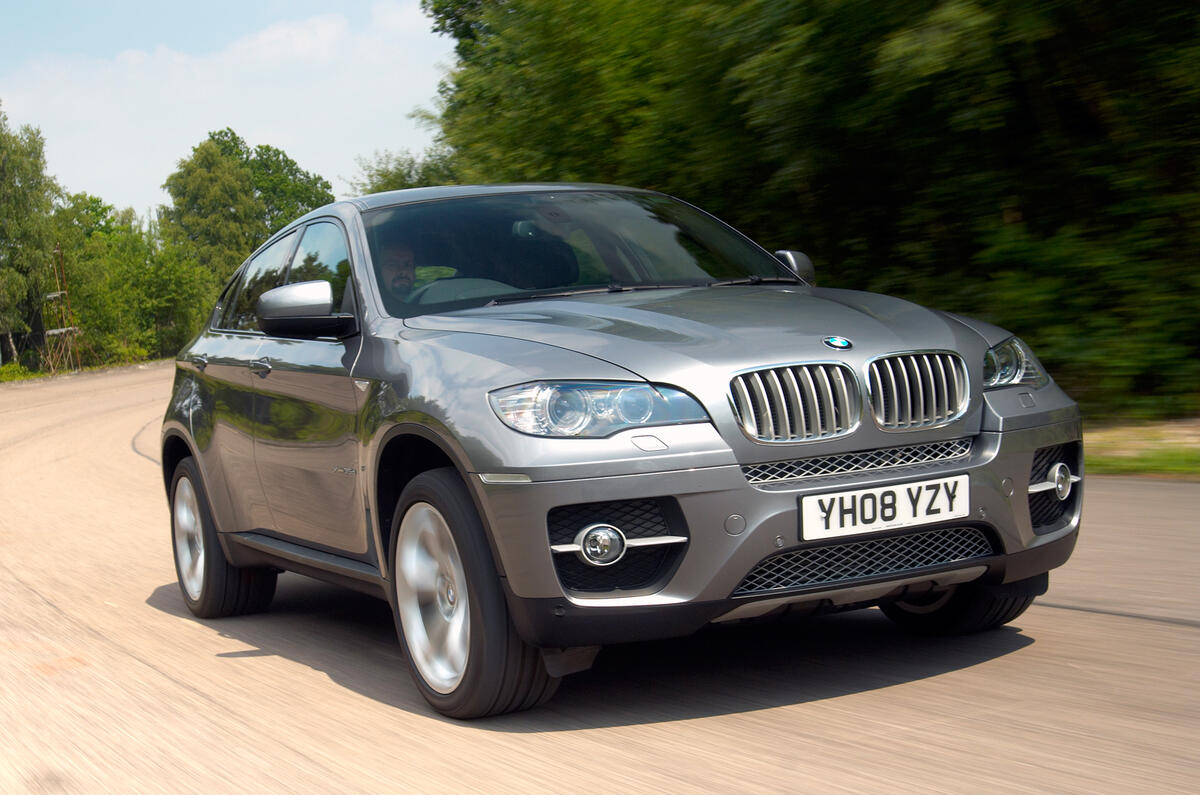
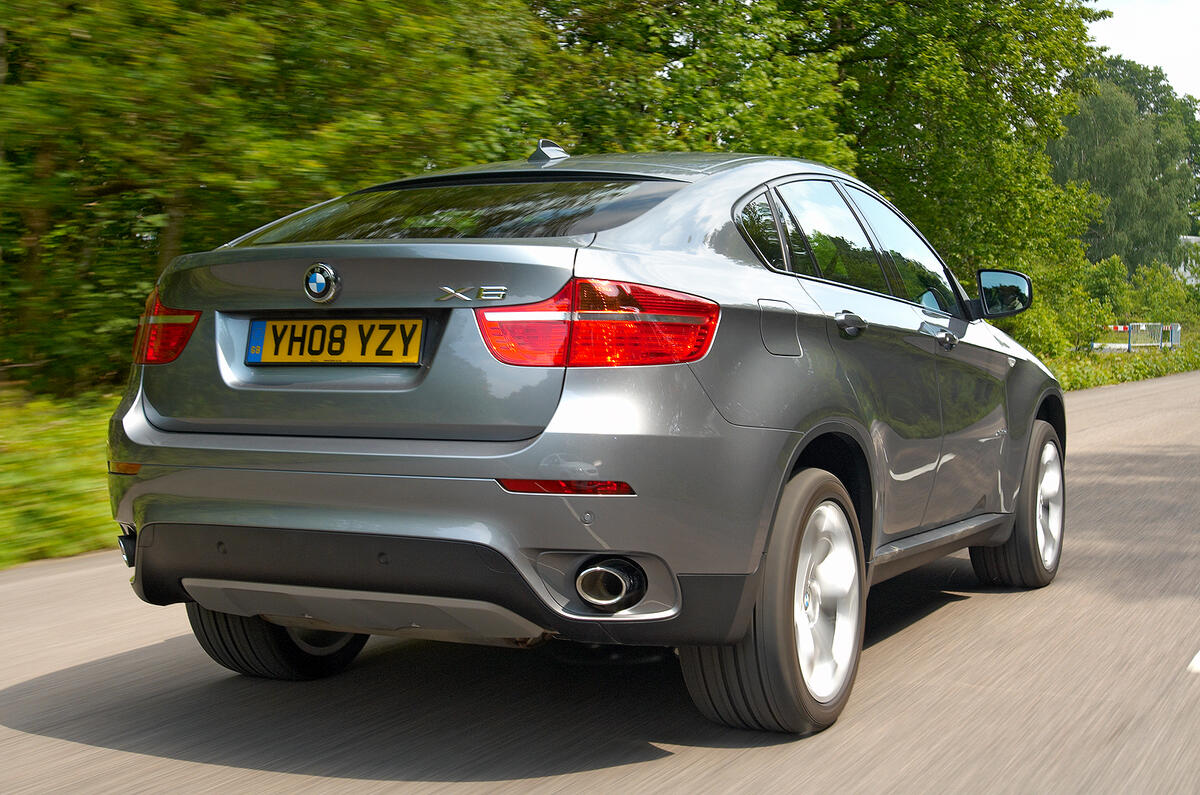
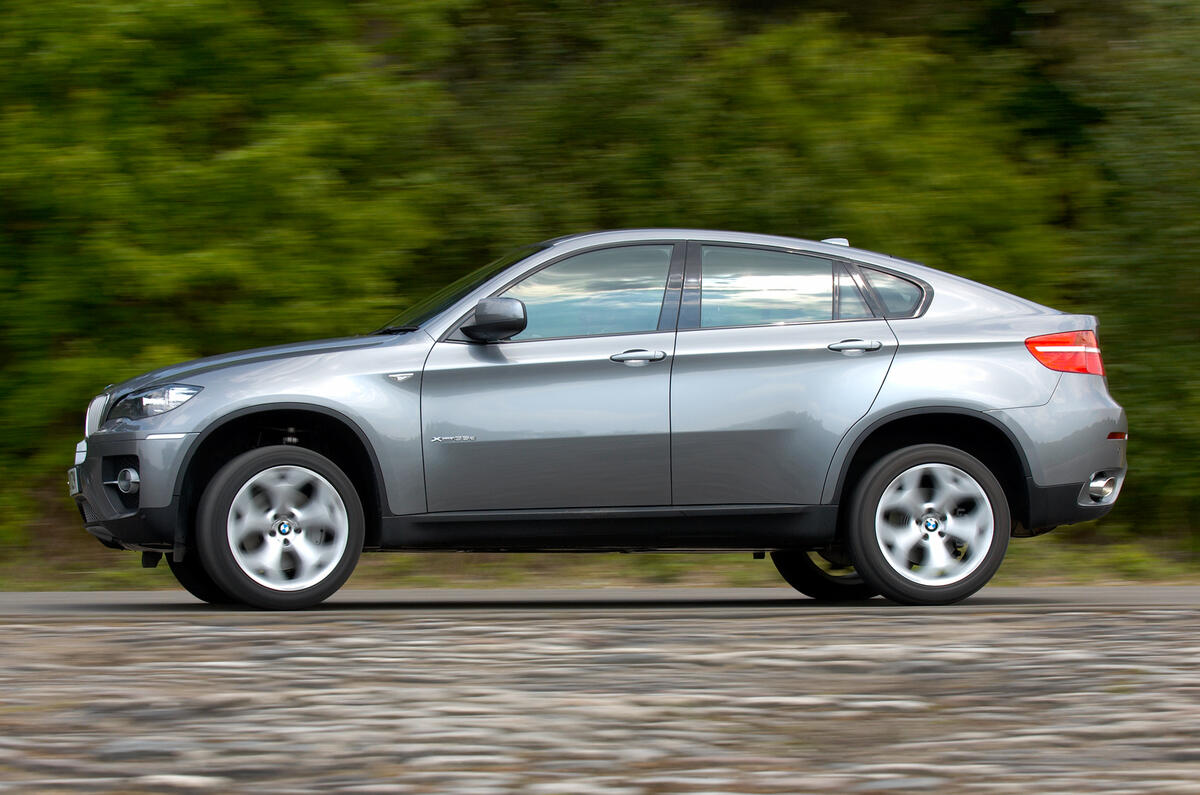
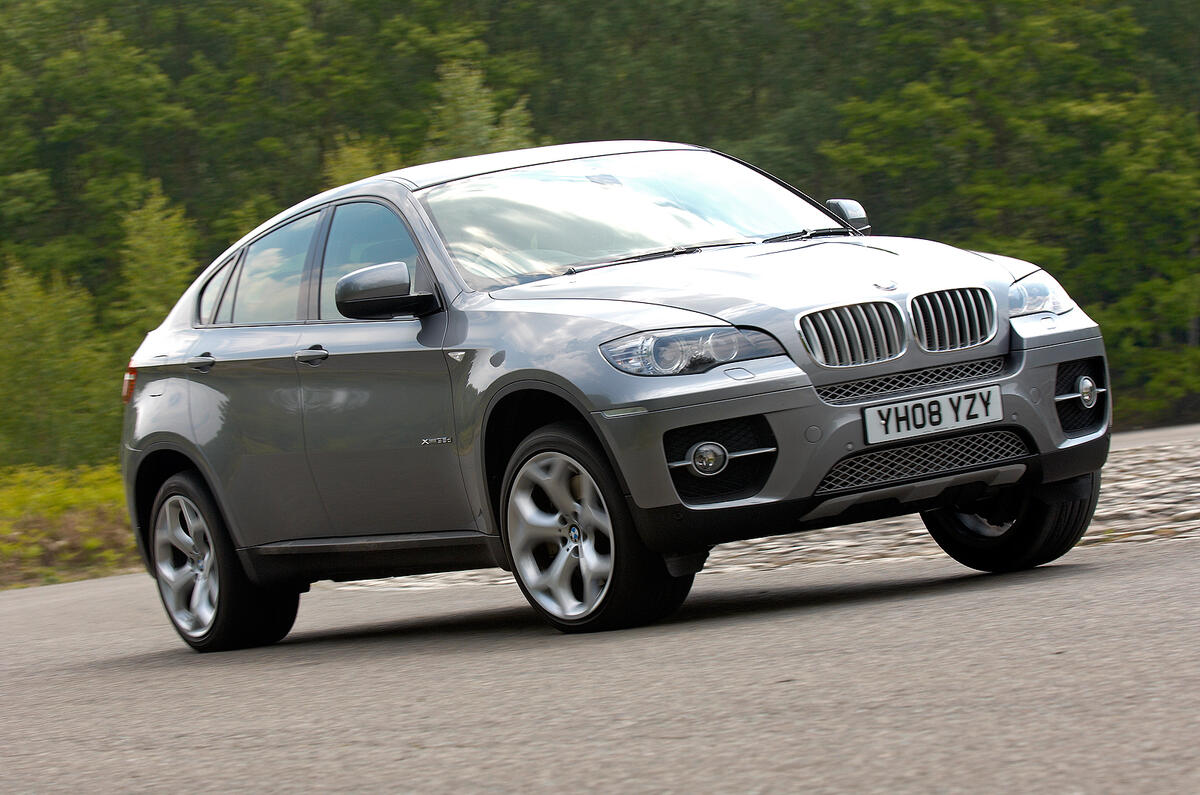
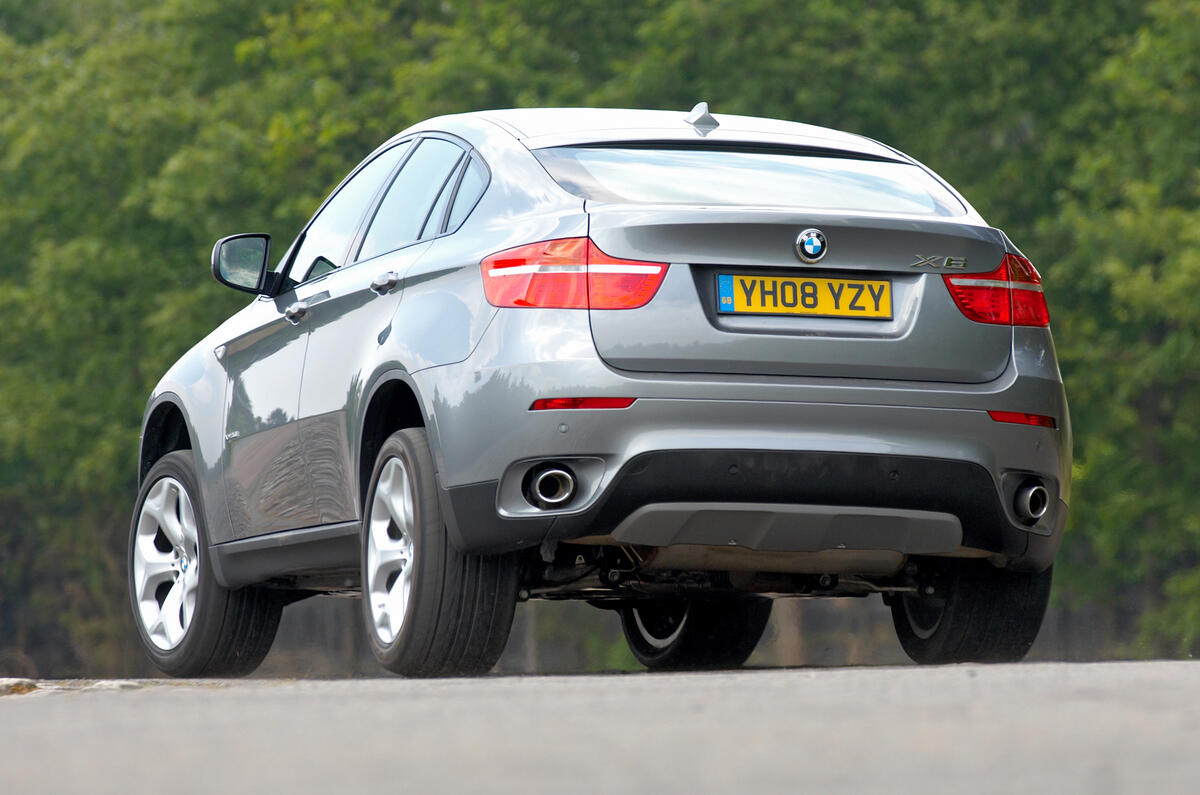
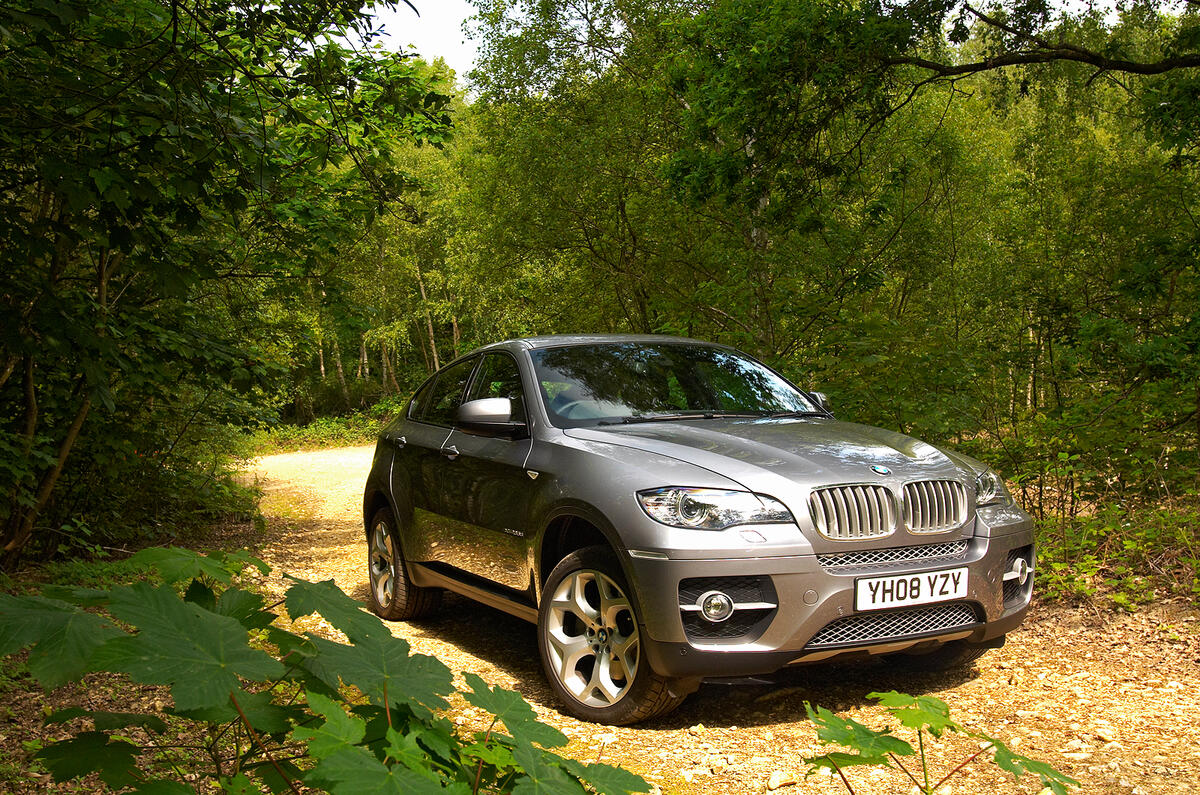
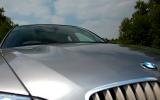
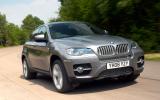
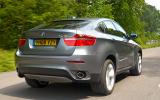
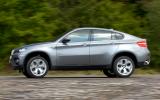
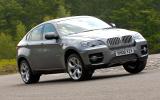
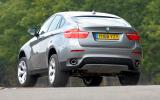
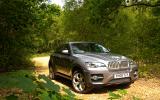

The BMW X6 was BMW’s third X model. Its first was the BMW X5, in 1999, which it claimed was the first Sports Activity Vehicle, because it was meant to be – and was, in truth – a decent drive on the road. That was followed by the BMW X3 in 2003.
BMW didn’t show a concept of the X6 until the Frankfurt motor show in 2007. The production X6 had its debut at Geneva the following March. It was the first BMW whose whole range will feature turbocharged engines.
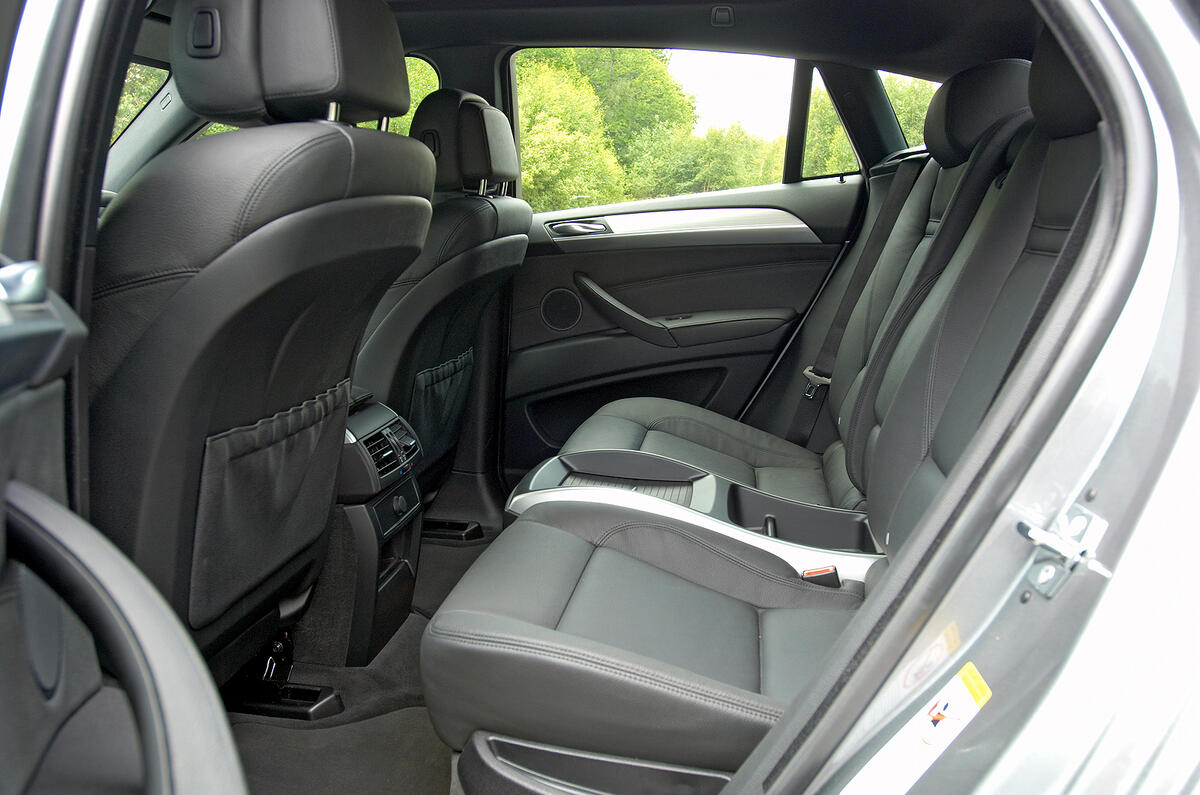
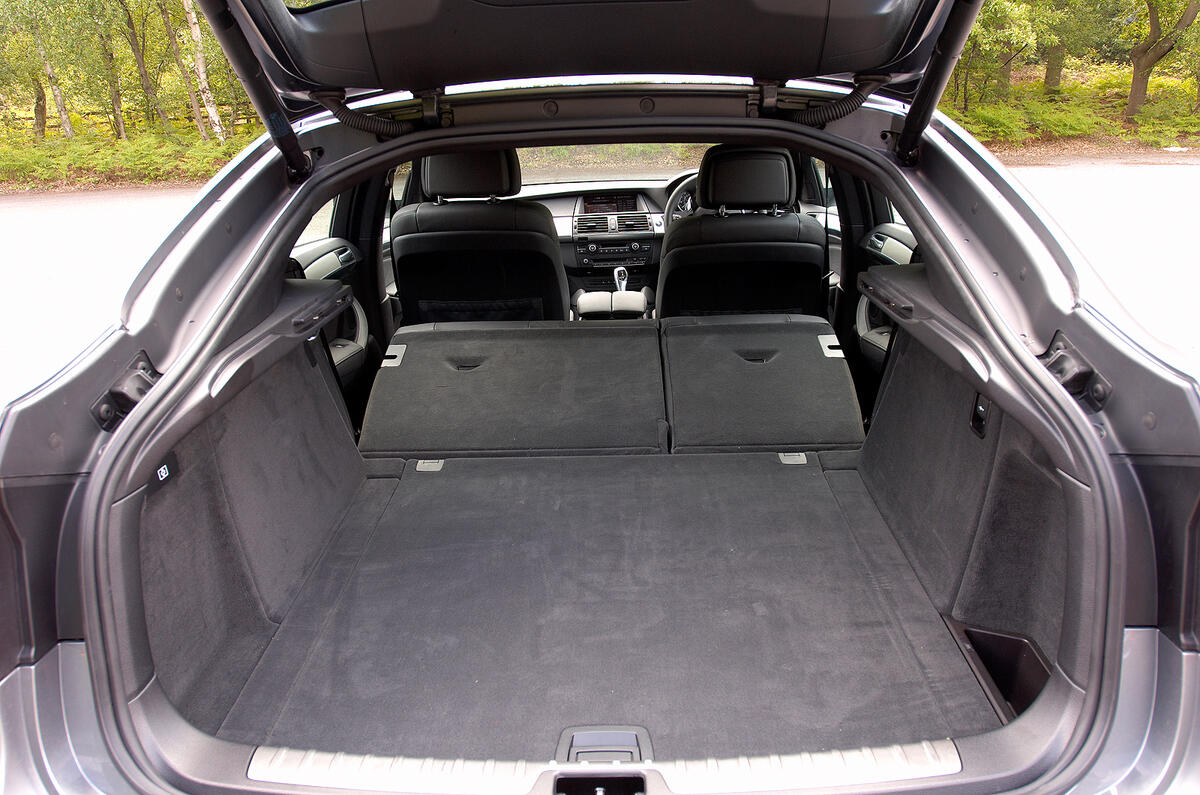
The X6 represents another niche for BMW, and another answer to a question we thought no one was going to ask. But ask they have, because the BMW X6 has sold well.Think of it, really, as BMW’s tall answer to the Mercedes-Benz CLS. It’s largely the same as the car on which it’s based (the Merc Mercedes-Benz E-Class in the Mercedes’ case, the X5 here), only with rather more design flair and quite a lot less practicality.
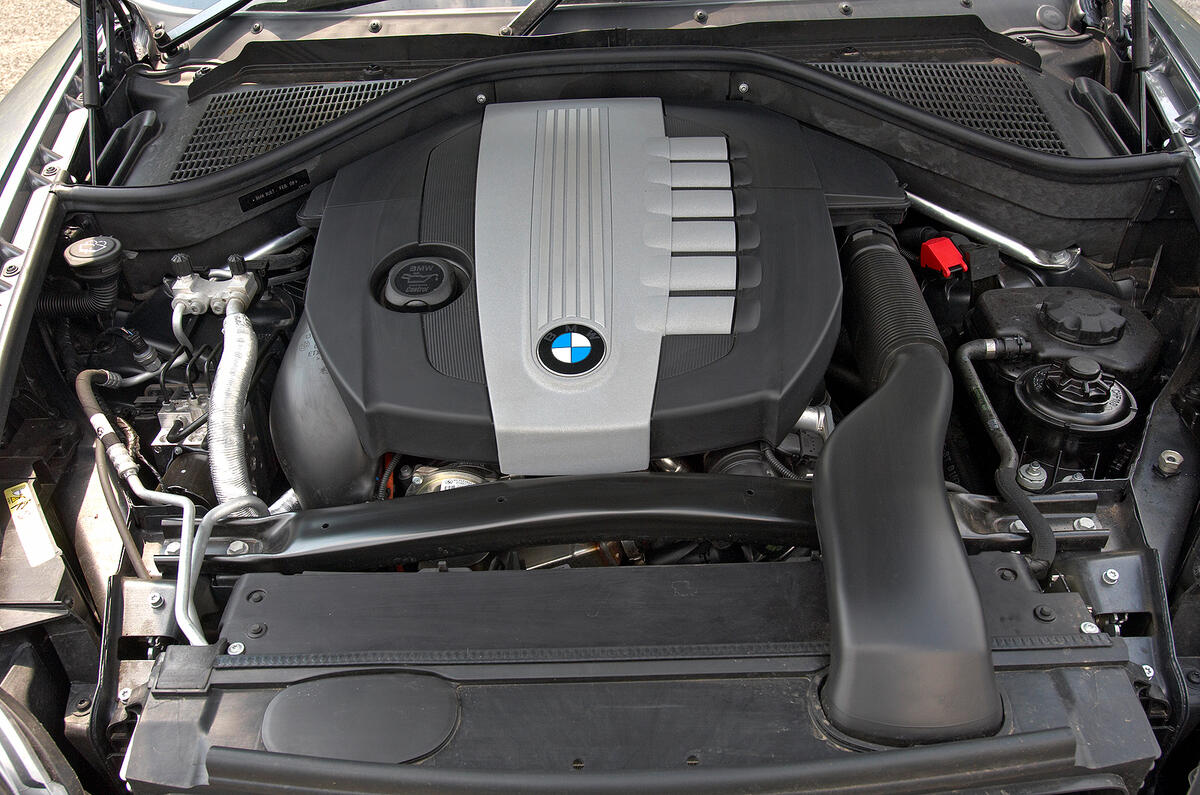
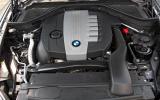
Following a recent facelift, the range comprises three petrol engines and three diesels. The mainstream petrols are badged xDrive35i (using a 3.0-litre, six-cylinder engine) and xDrive50i (a 4.4-litre V8). The 4.4 V8 M is actually true to its badge; it uses a tweaked version of the 4.4-litre V8 that produces 547bhp. The diesel xDrive30d and xDrive40d use different versions of BMW’s 3.0-litre, six-cylinder diesel. The newest addition to the range is BMW's tri-turbo diesel, a three-litre unit based on the existing six-cylinder engines. It powers the X6 M Performance model, the M50d.