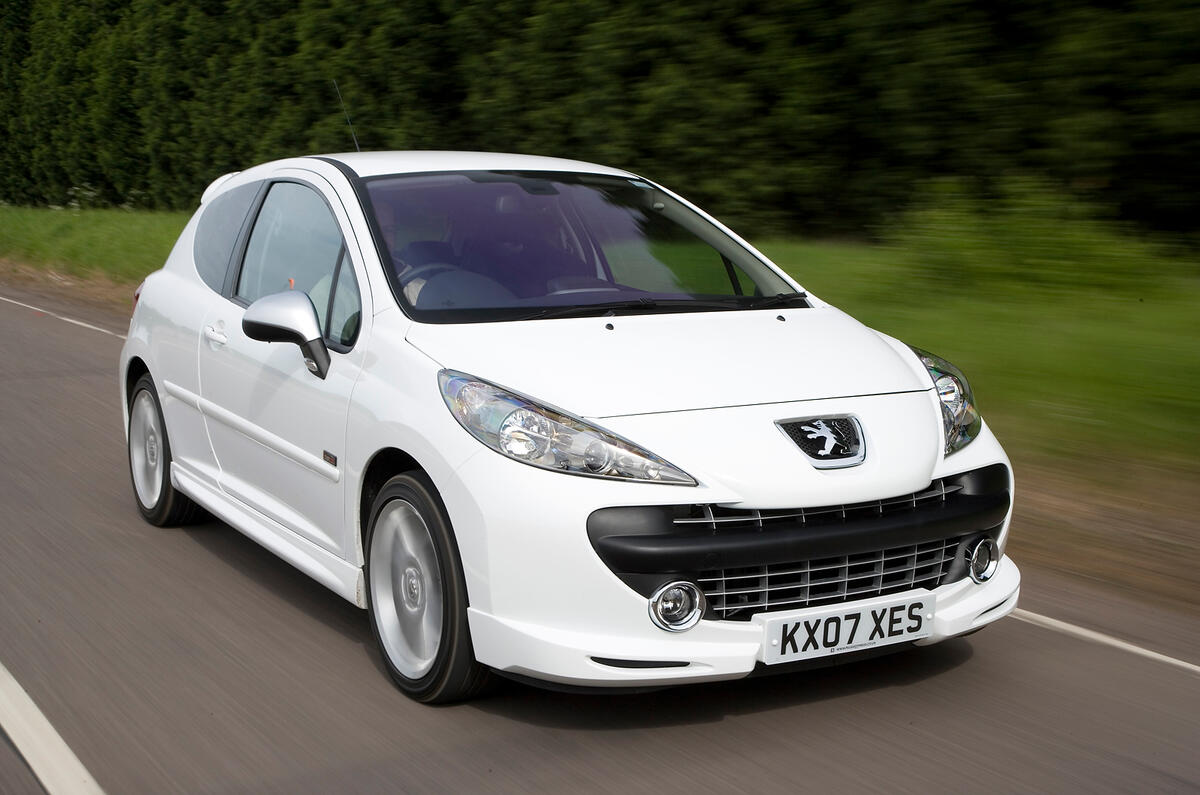
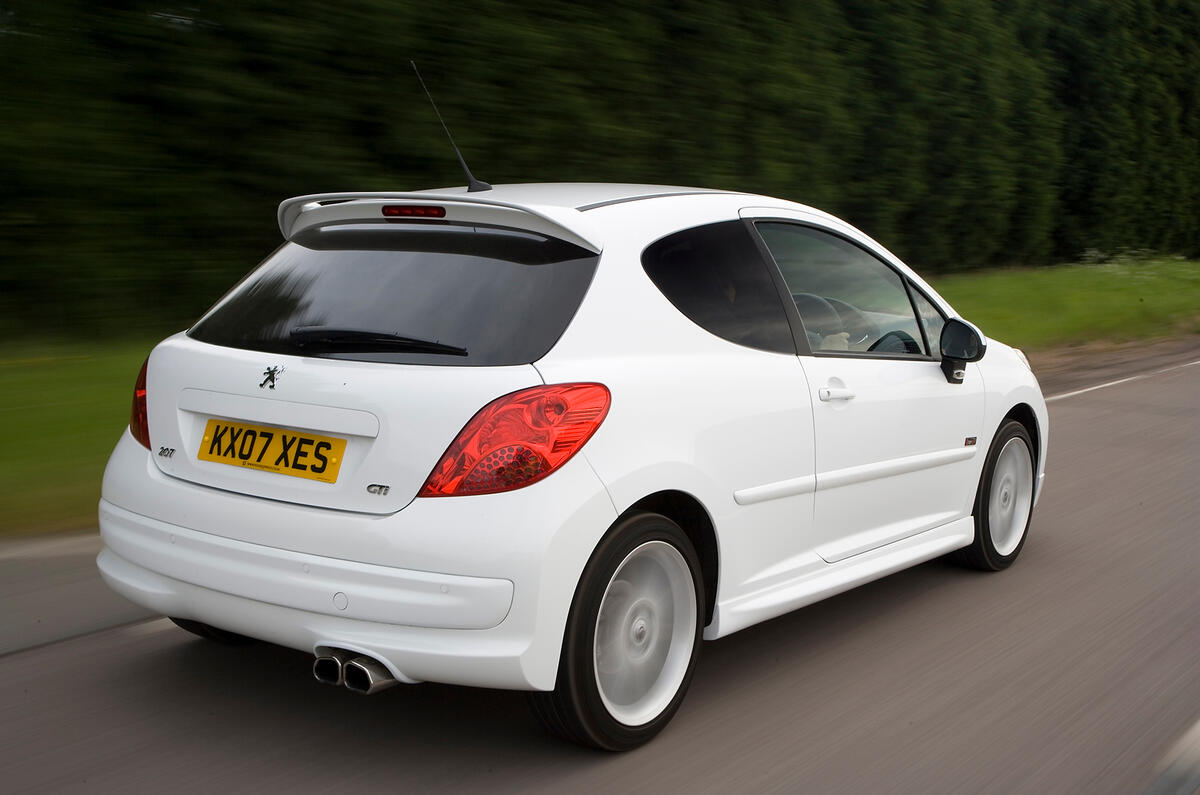
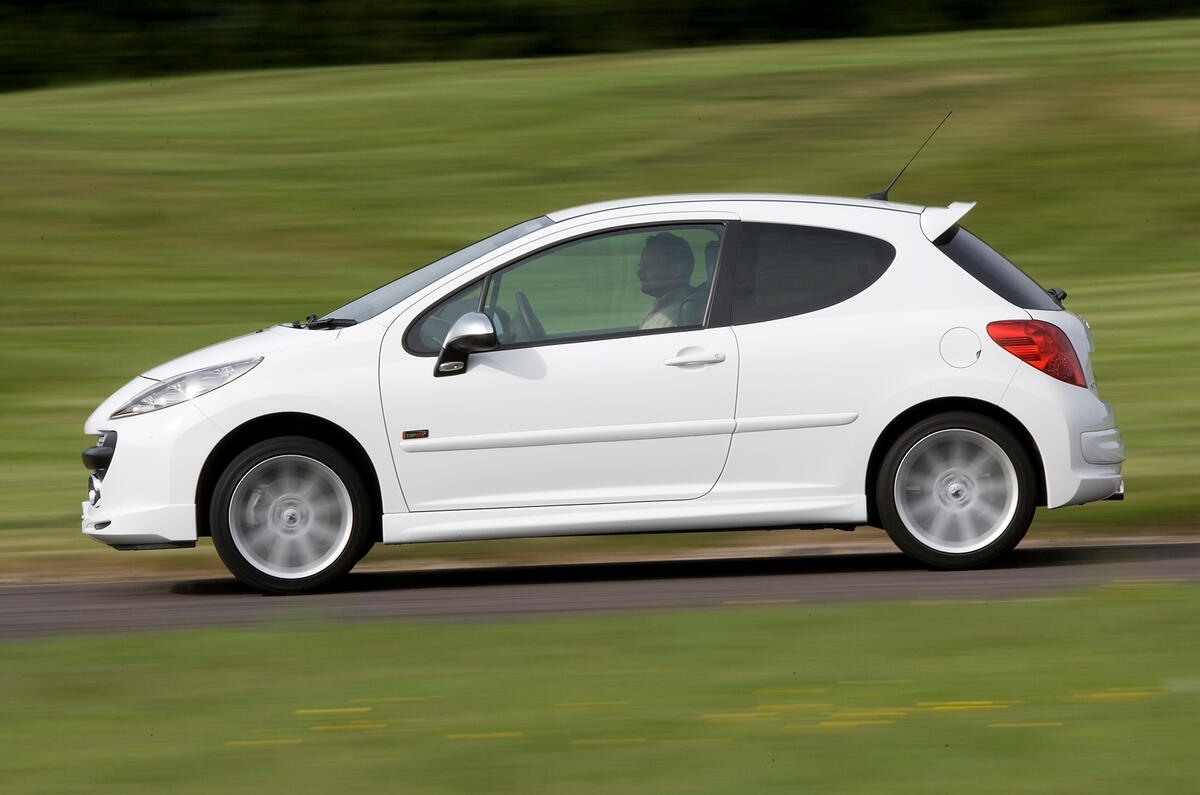
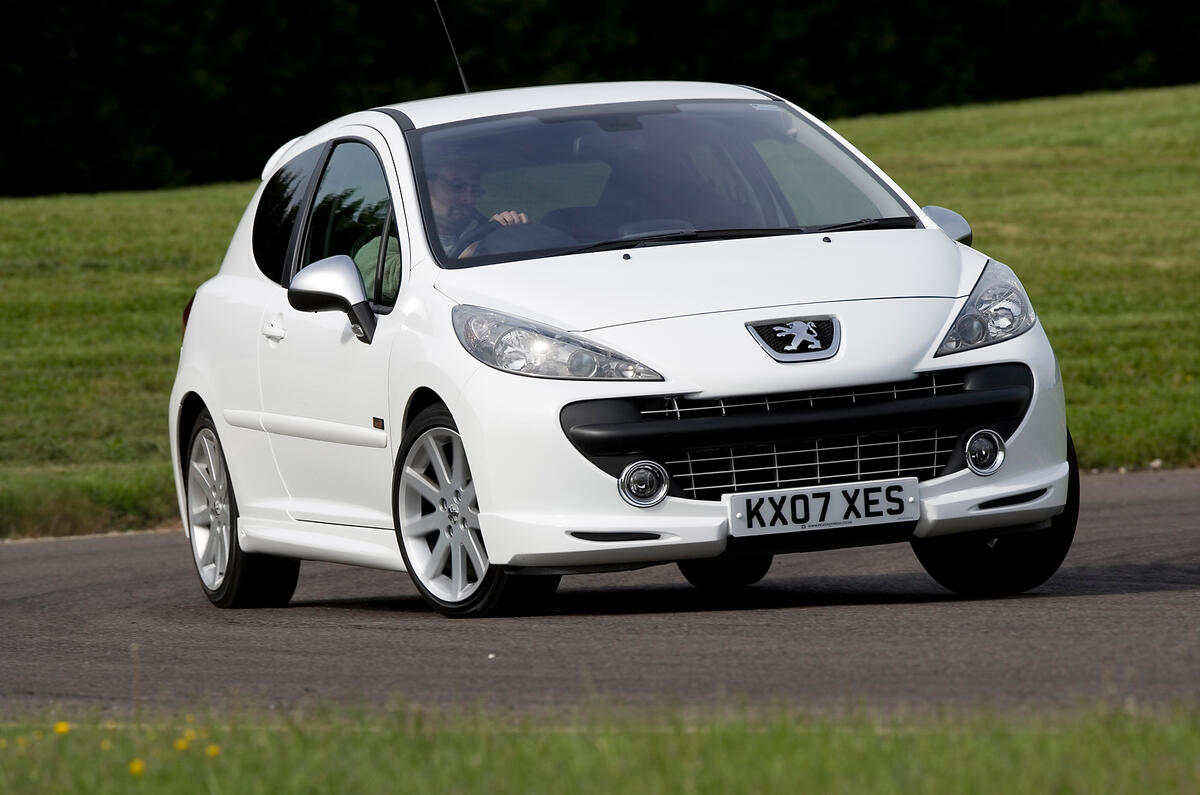
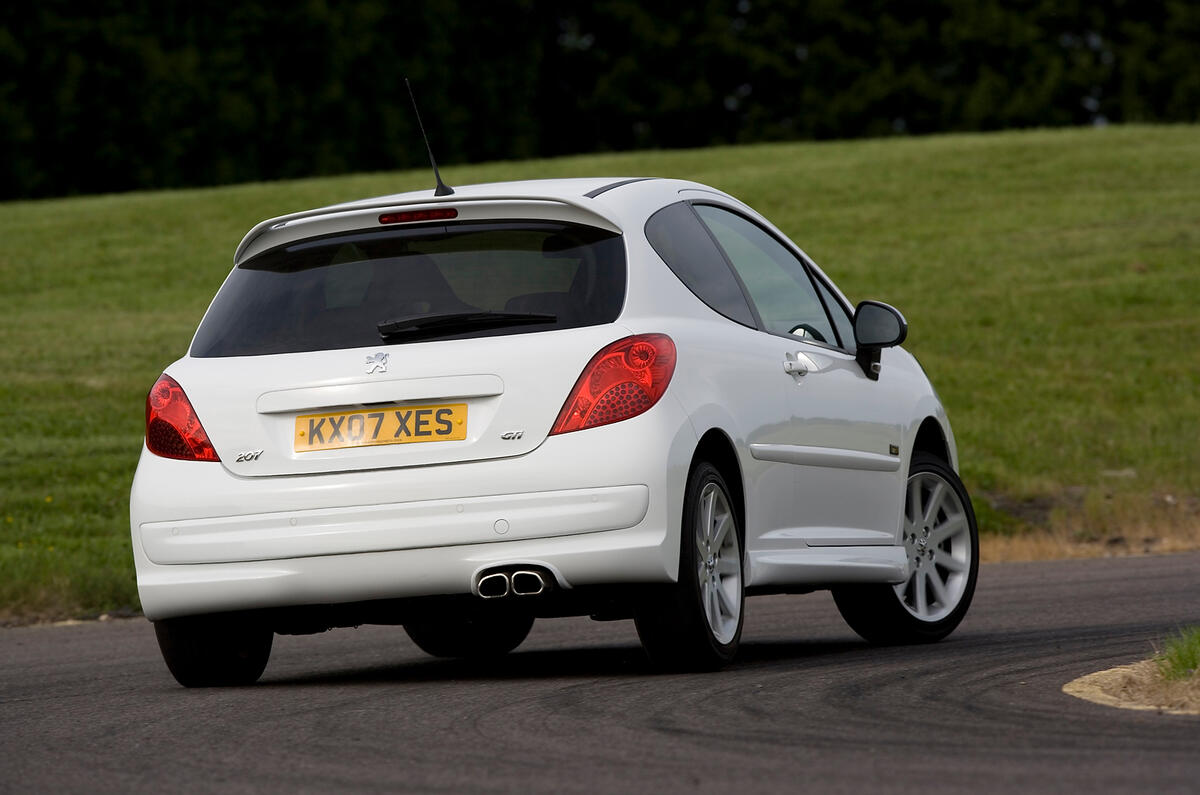
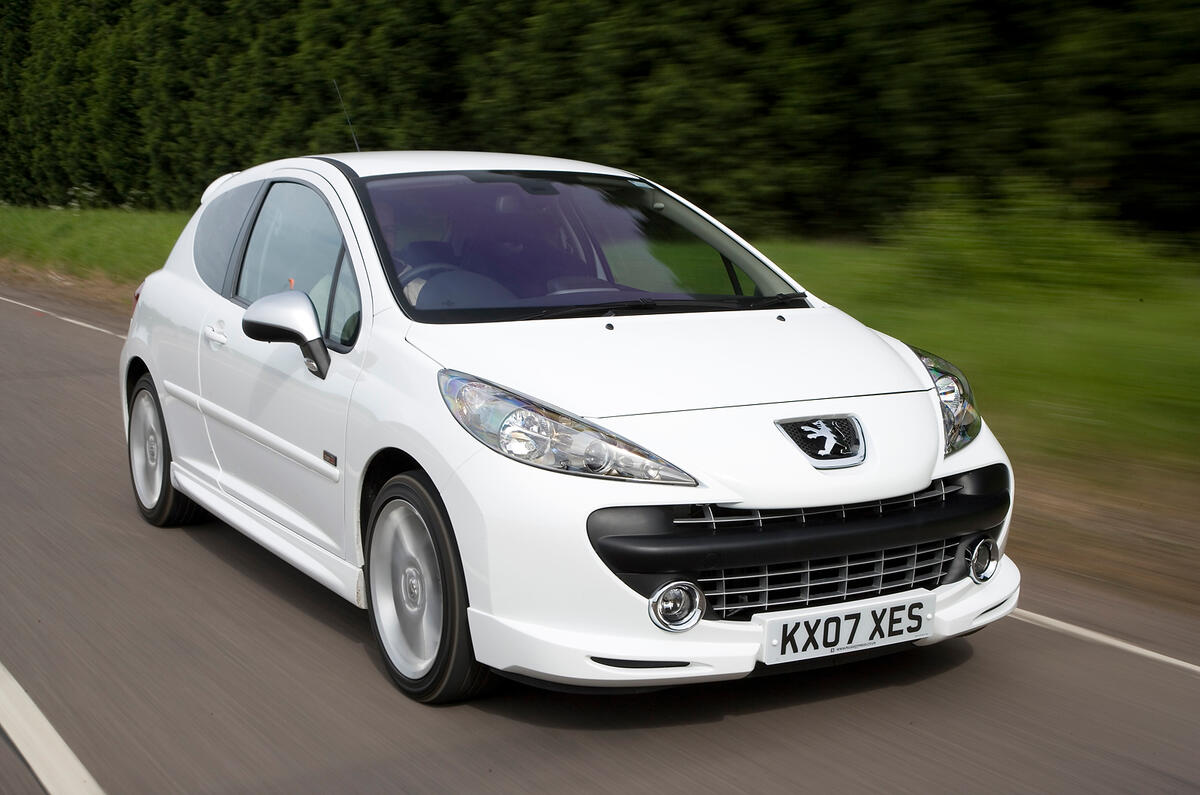

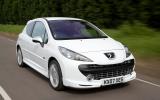
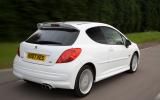
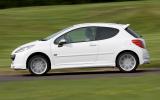

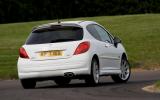
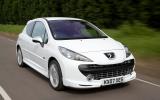

Peugeot is a clever company. While critics like us wail about the good old days of the 205 and 306, the French car-maker just quietly keeps knocking ’em out. The most conspicuous example of its success was the 206 supermini, launched in 1999 and, until 2005, the best-selling car in the UK for private money. We were never 206 fans; the car was some years past its best when Peugeot finally put it out to pasture. Nice business if you can get it.
Whether the 207 deserves a similarly comfortable ride is another matter. Peugeot built the 206 at its Ryton plant in Coventry, after all, but announced that the factory was due to close in the same year that the 207 was launched. Over night, a lot of British goodwill for Peugeot’s shopping hatchback evaporated.
The small hatch class had something of a reawakening in the 207’s launch year. The Renault Clio, Fiat Grande Punto and Toyota Yaris were all renewed, and each one deserved to be taken very seriously, offering much more competitive propositions to the marketplace than their respective predecessors. That left the 207 with a much more attritional existence, and a tougher fight for success, than its designers would have expected two years before launch, when its design must have been signed-off.
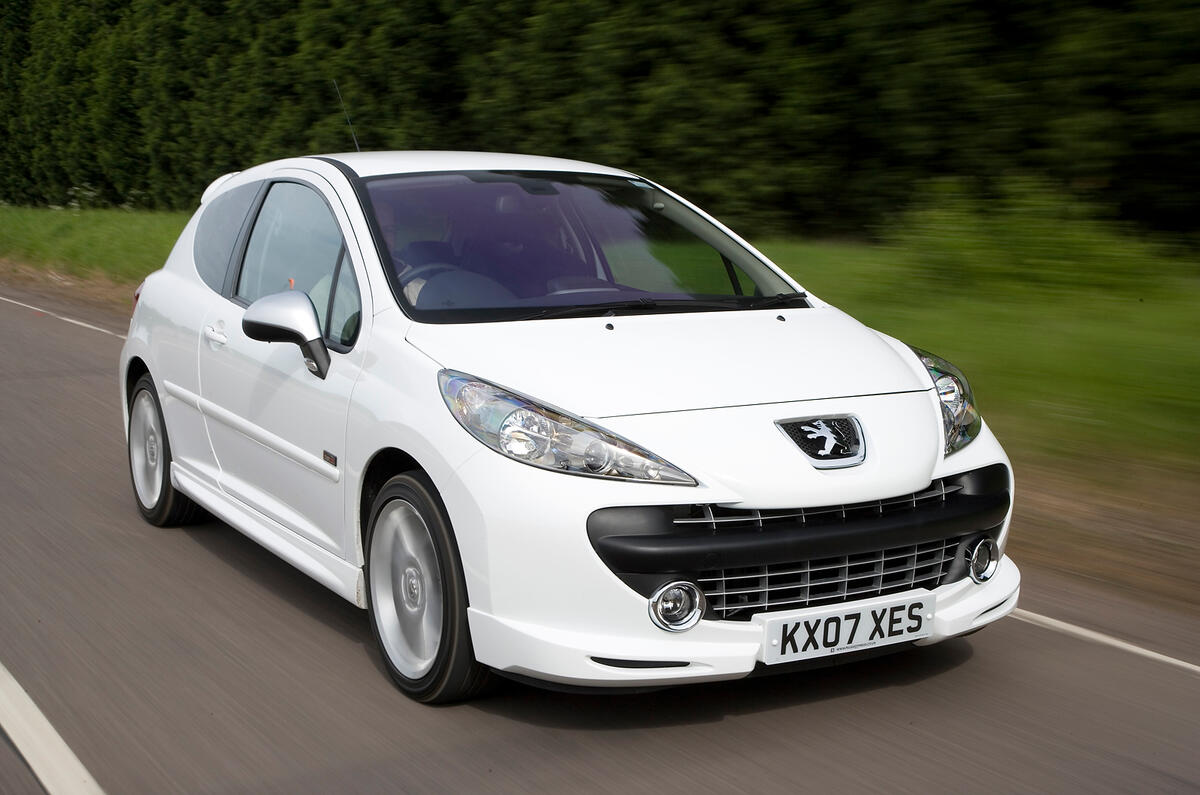
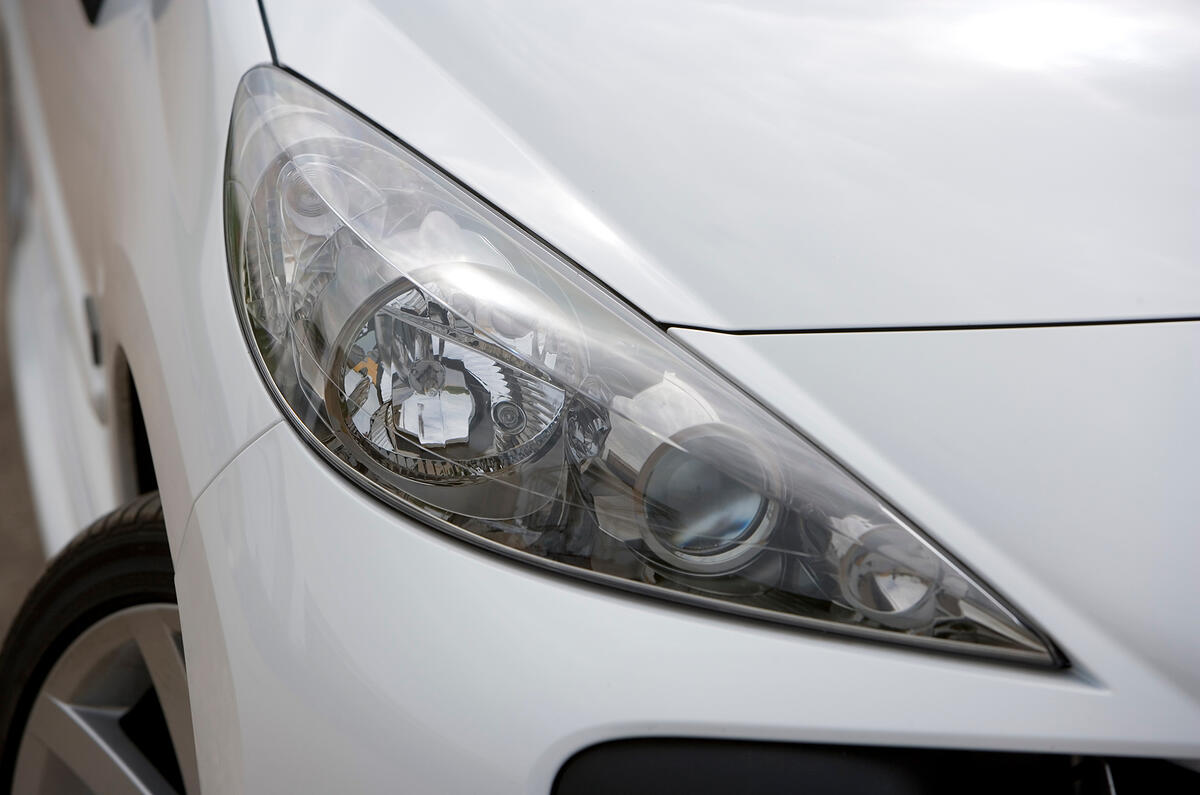
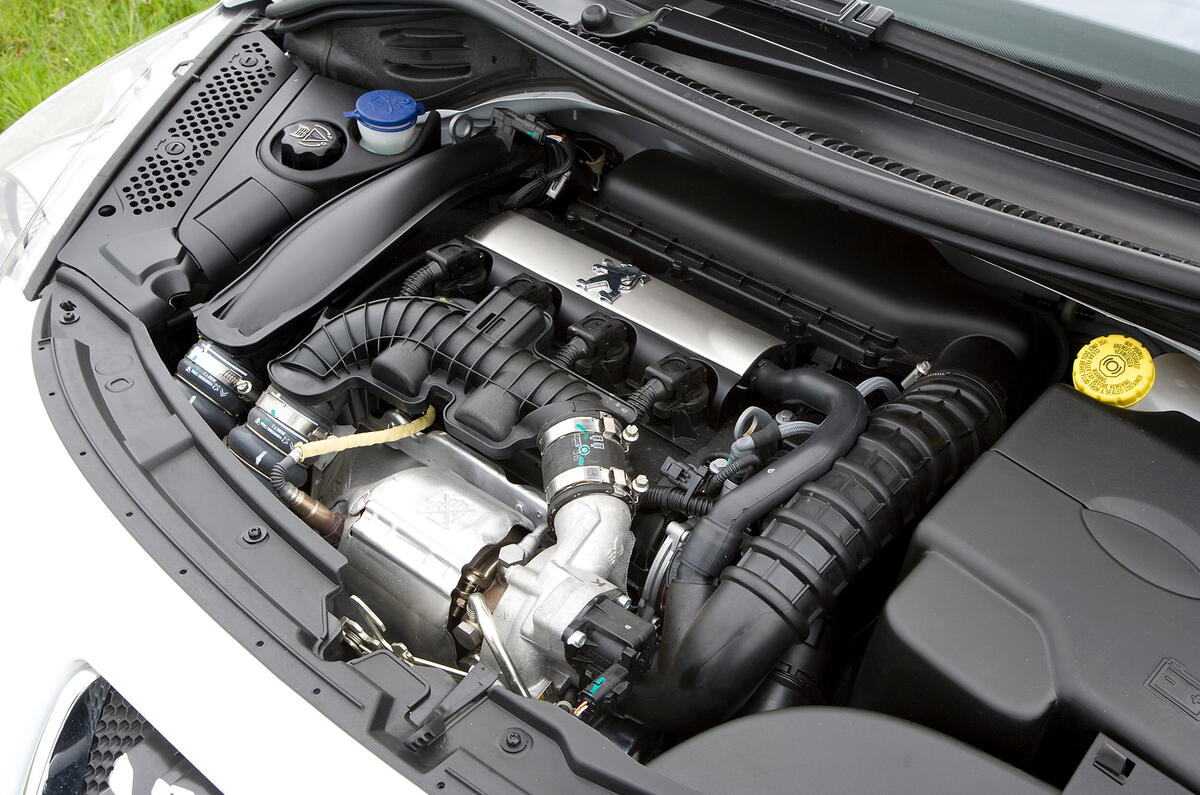
The 207 sits on an evolved version of the platform that started life in the Citroen C3 and comes with the usual range of petrol and diesel motors. And while its looks are modern (although from some angles often difficult to distinguish from other Peugeot products), there isn’t an unconventional bone in its body. Even the 206 went faintly against the grain with its use of trailing arm rear suspension, but now its successor is back in line with the torsion beam configuration used by almost everyone else.