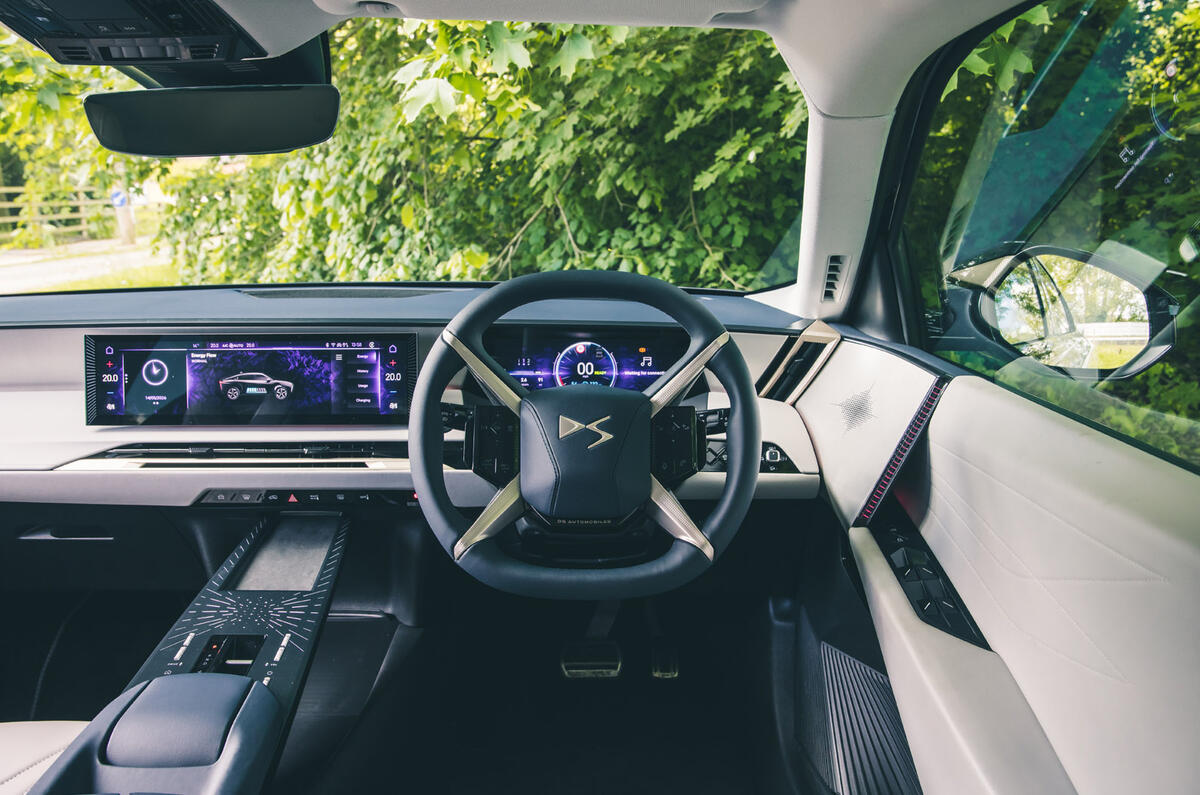
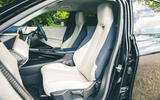
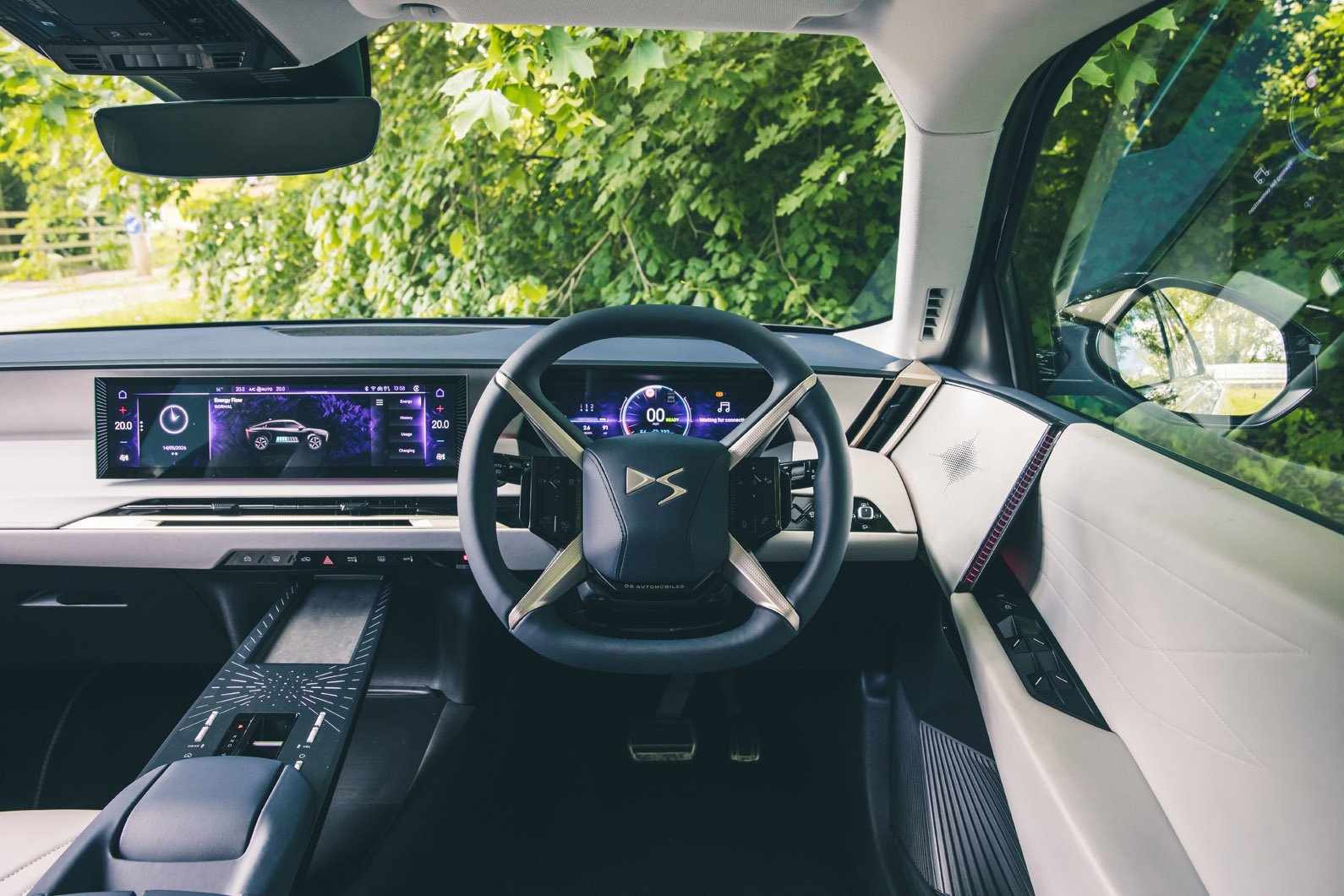
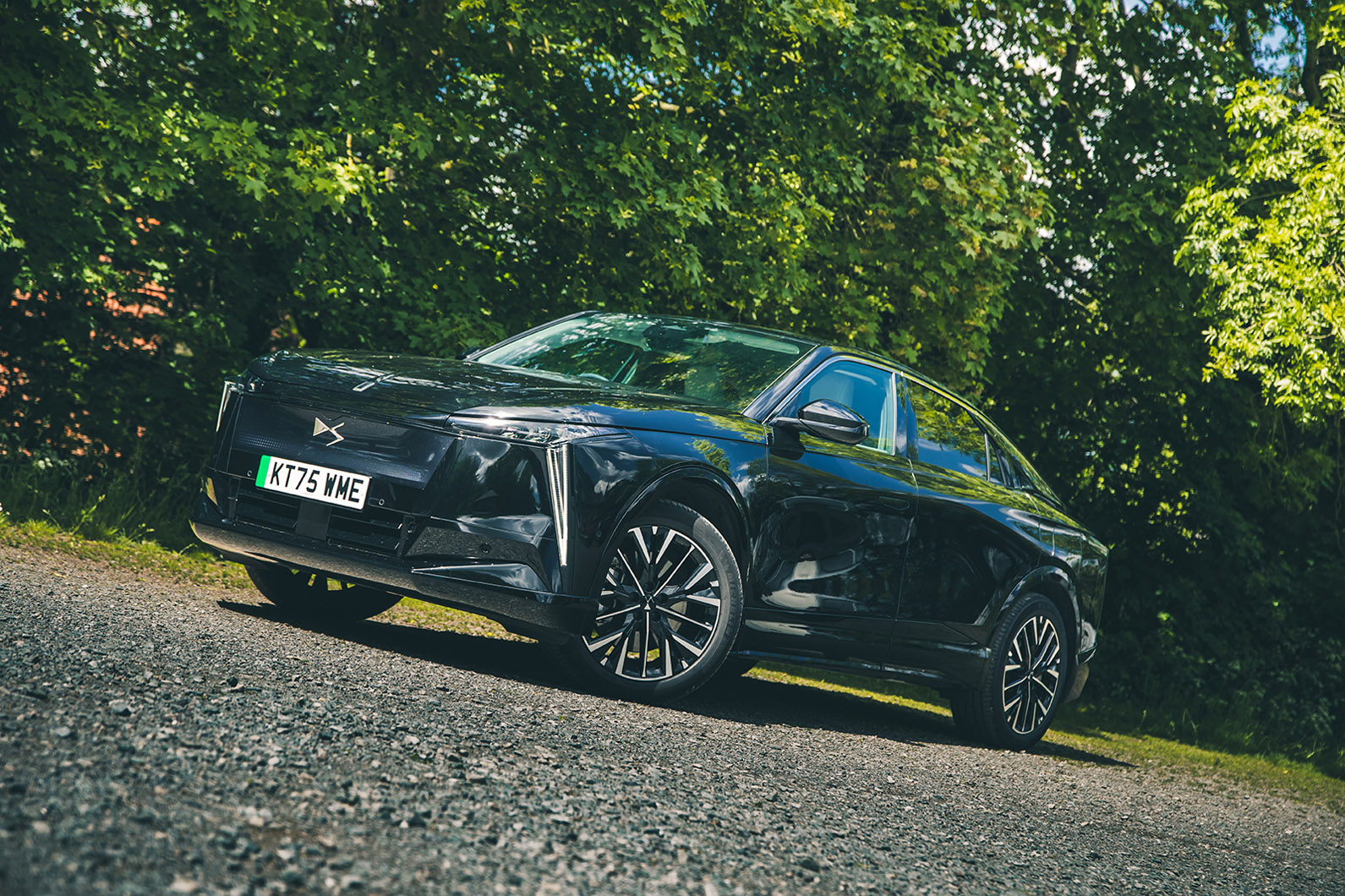
Given the way that DS Automobiles has defined itself in recent years – as a Parisien high-fashion brand whose cars seem to want more to do with designer handbags and expensive watches than to be compared with other premium-brand cars – our Nº8’s interior probably shouldn’t have surprised us. And yet it still managed to.
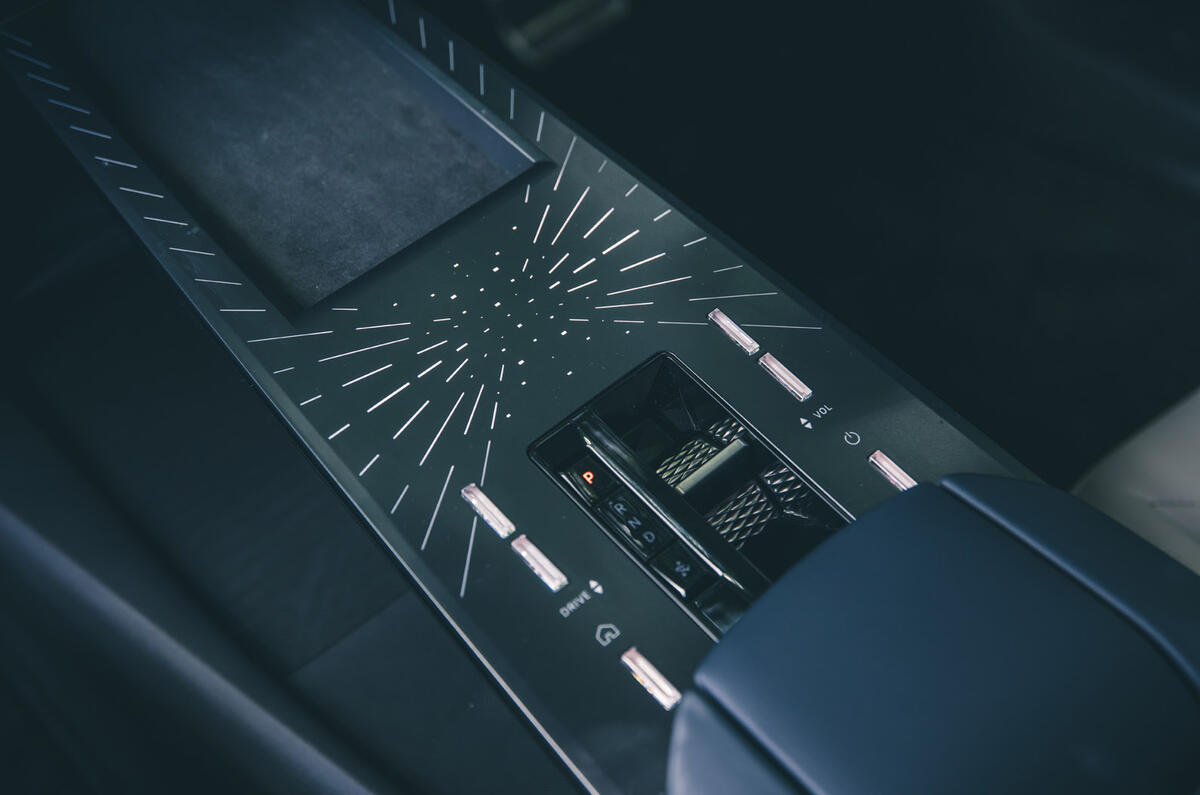
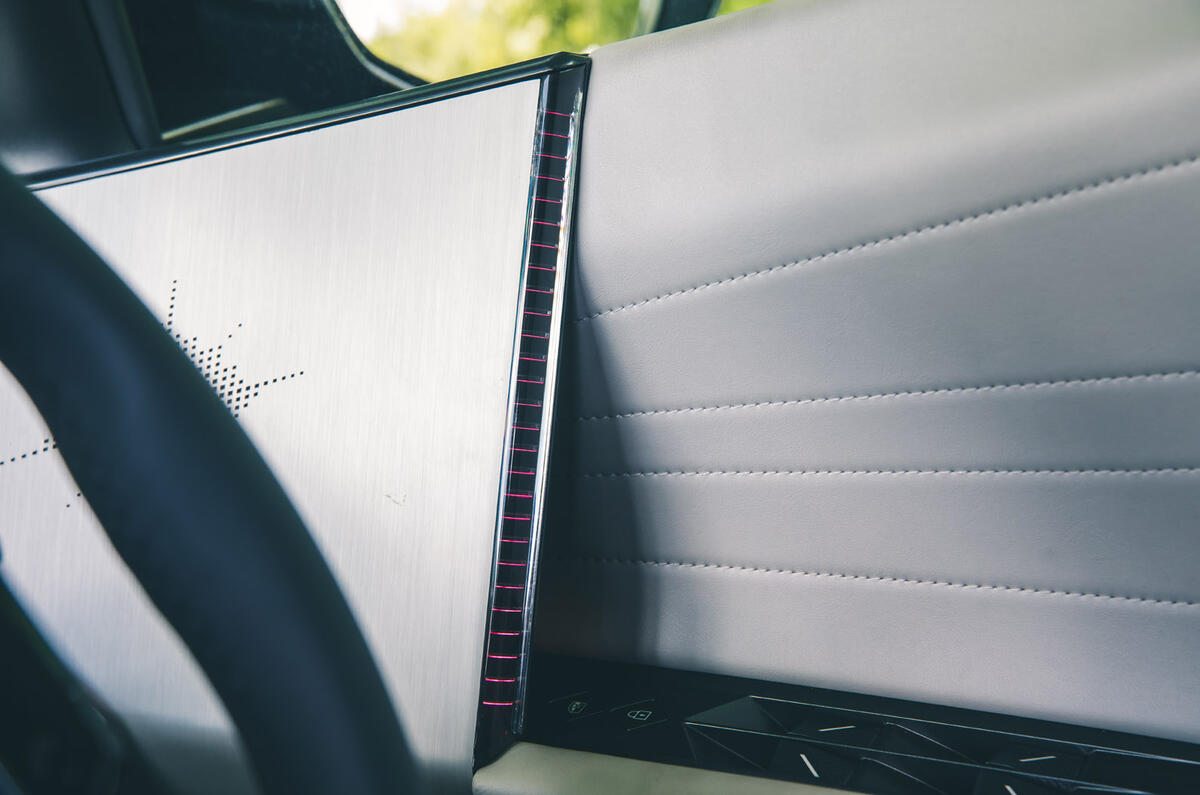
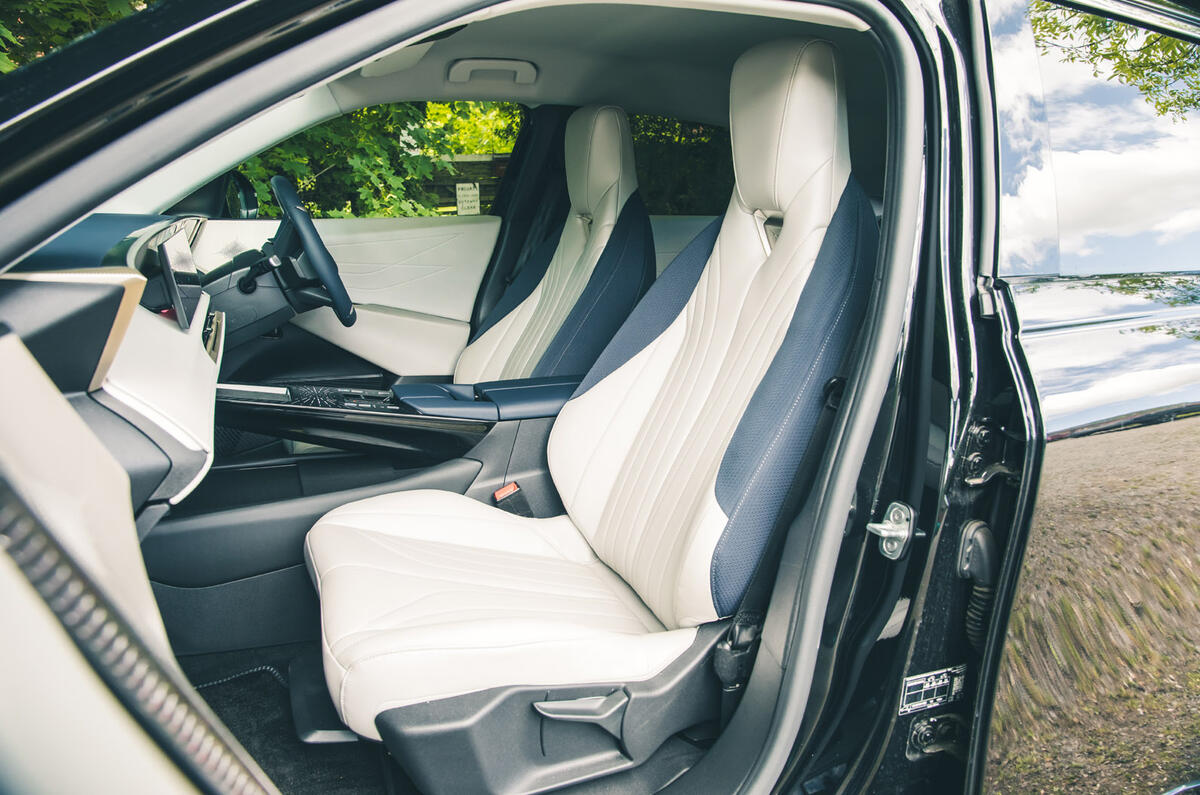
In terms of outright luxury appeal, it underwhelmed us slightly. The car’s various ritzier material elements (leathers, brightwork trims and ‘knurled’-finish decorative elements) do add a sheen of distinguishing richness. But there are plenty of cheaper-feeling plastic mouldings as well, and the overall standard of perceived quality is probably too inconsistent to consider the car a really convincing rival to the likes of BMW, Lexus or Mercedes-Benz.
Our test car’s lowly trim level will have informed this impression a little (upper-tier models get more lavish upholsteries). But the areas of the Nº8’s interior that do look and feel more plain and cheap certainly dip below a level for material look and feel that its rivals typically stay well above.
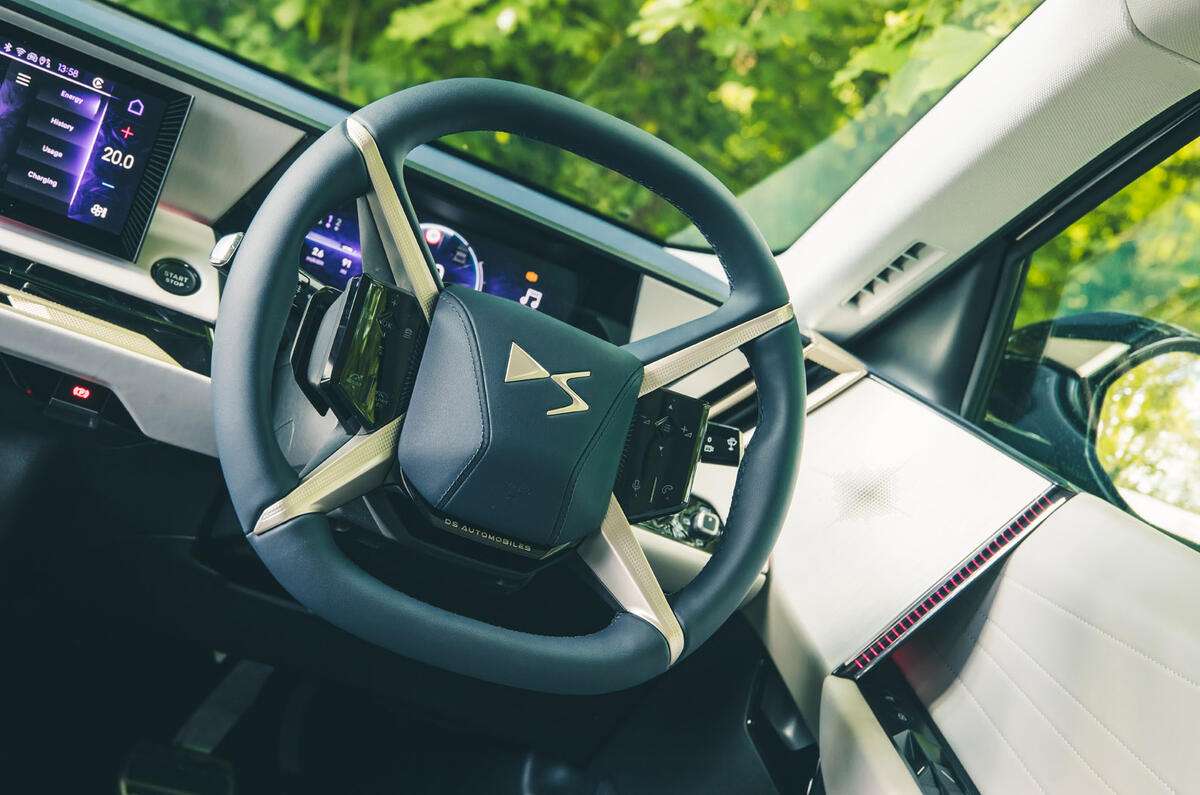
This remains an interesting and novel interior every bit as much as a quasi-luxurious one, however. And this impression is conjured primarily by a notably ‘quartic’ (read, ‘sort of but not actually square’) steering wheel, with four starkly diagonal spokes.
Experimentation with steering wheel design is something we have seen from other premium brands (BMW, Lexus/Toyota and Tesla have all had a go) and often it isn’t something of which we tend to approve. But while it is inevitably challenging to get used to at first, the Nº8’s rim does grow on you. Perhaps it’s because the lack of spokes at ‘a quarter to three’ gives you a cleaner resting grip on the wheel, or perhaps the ‘corners’ of the rim are easier to grab when you slide a hand upwards around the rim, in preparation for a bend or manoeuvre. The design certainly doesn’t suffer from the same problem as the one in the BMW iX3 (in the Nº8 you always have an intuitive idea of which way round it is and how far you’ve turned it). The longer you spend using it, the more sense it seems to make.
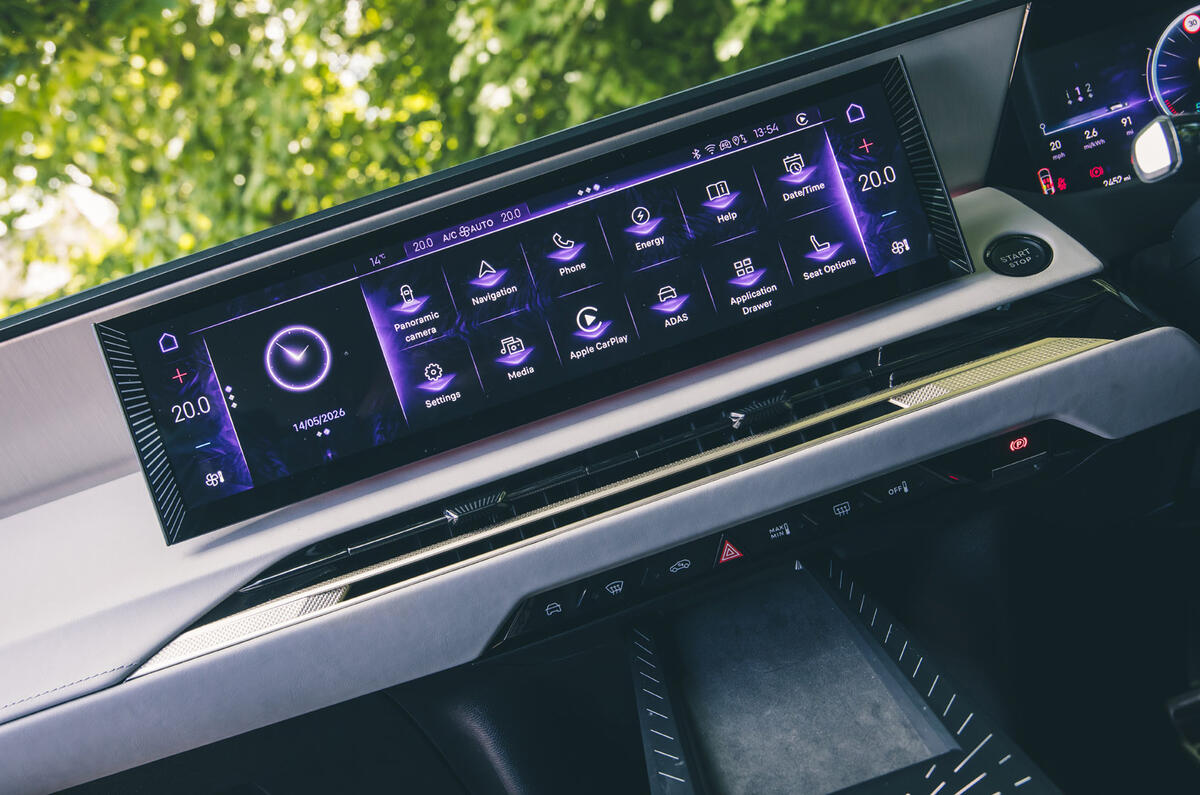
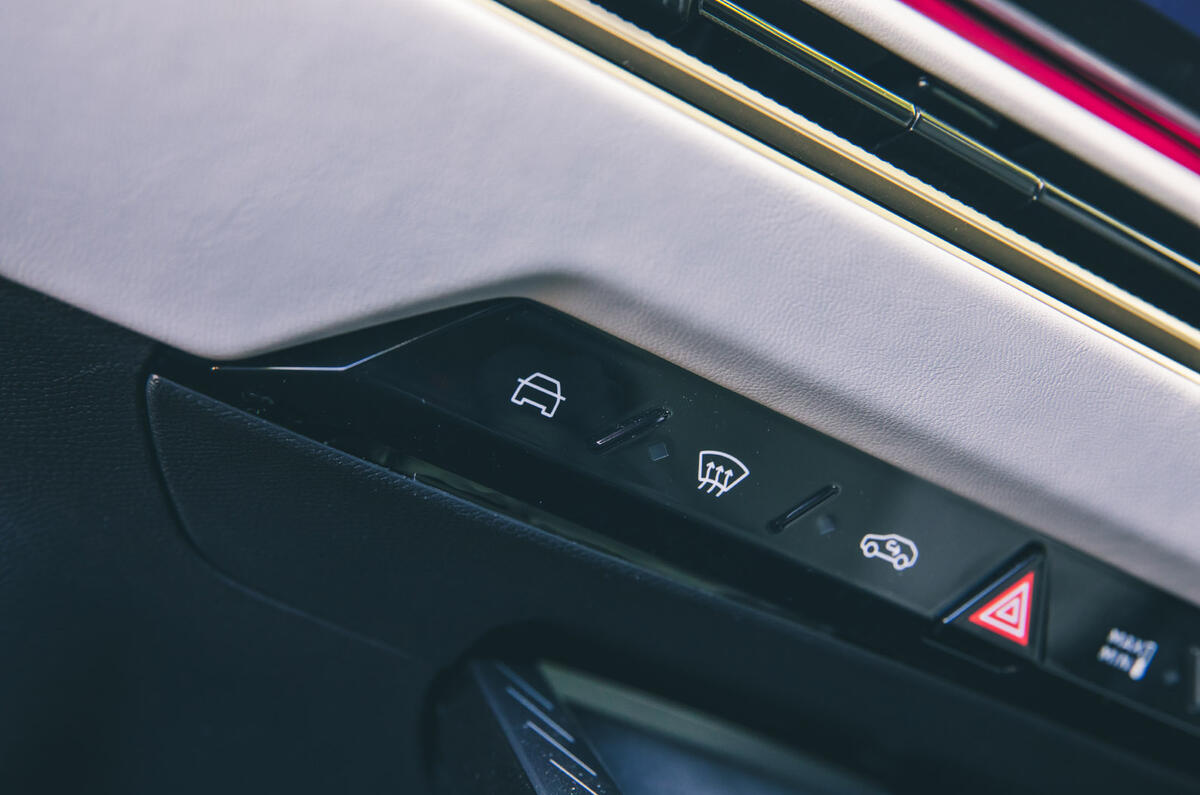
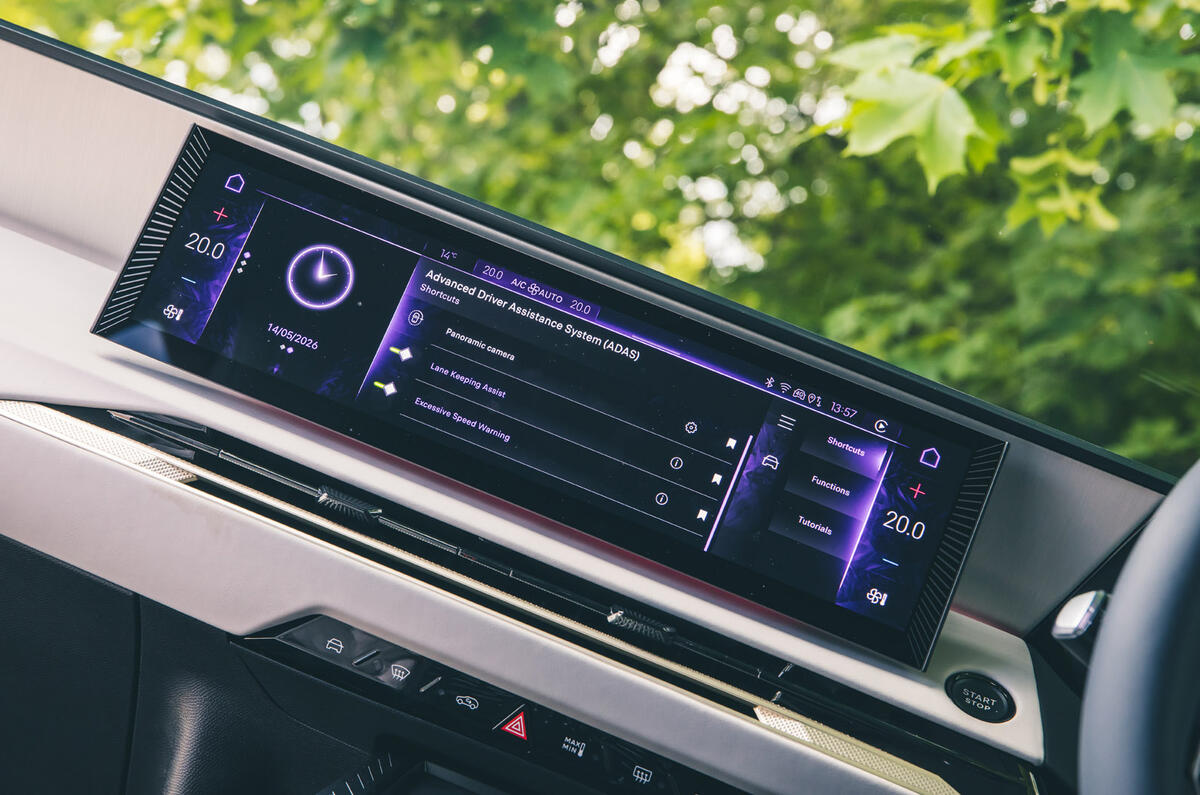
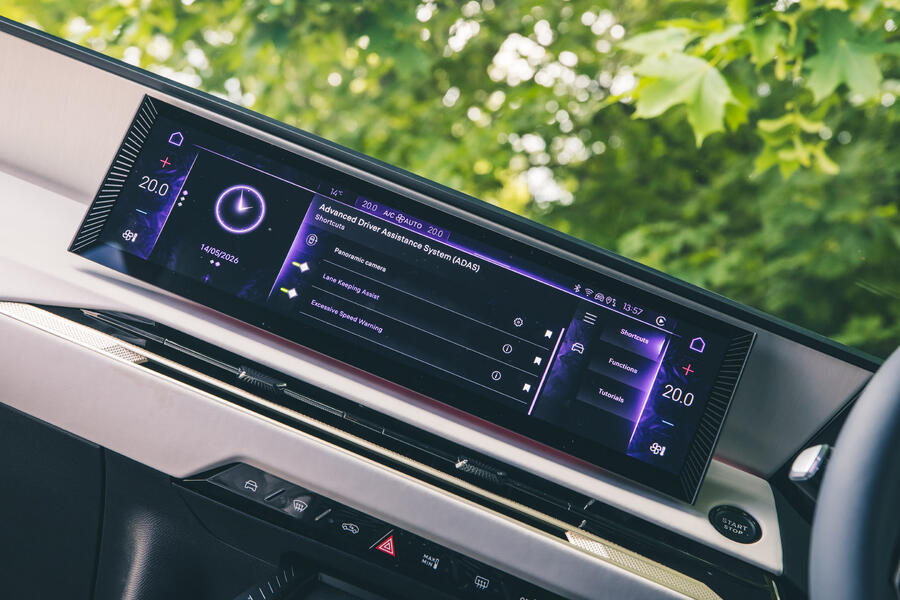
For broader usability there is a bit of a shortage of permanent physical switchgear around the interior. Most HVAC controls are accessed via the central touchscreen, for example, but DS does at least include a physical door mirror adjuster knob in a prominent place, from where it doubles usefully as a means to adjust the position of the head-up display.
Should a ‘luxury good’ like this be practical? The Nº8 may have licence to offer less on this score than key rivals, if it exists to rise above prosaic considerations; as much as a usable large EV really ever could.
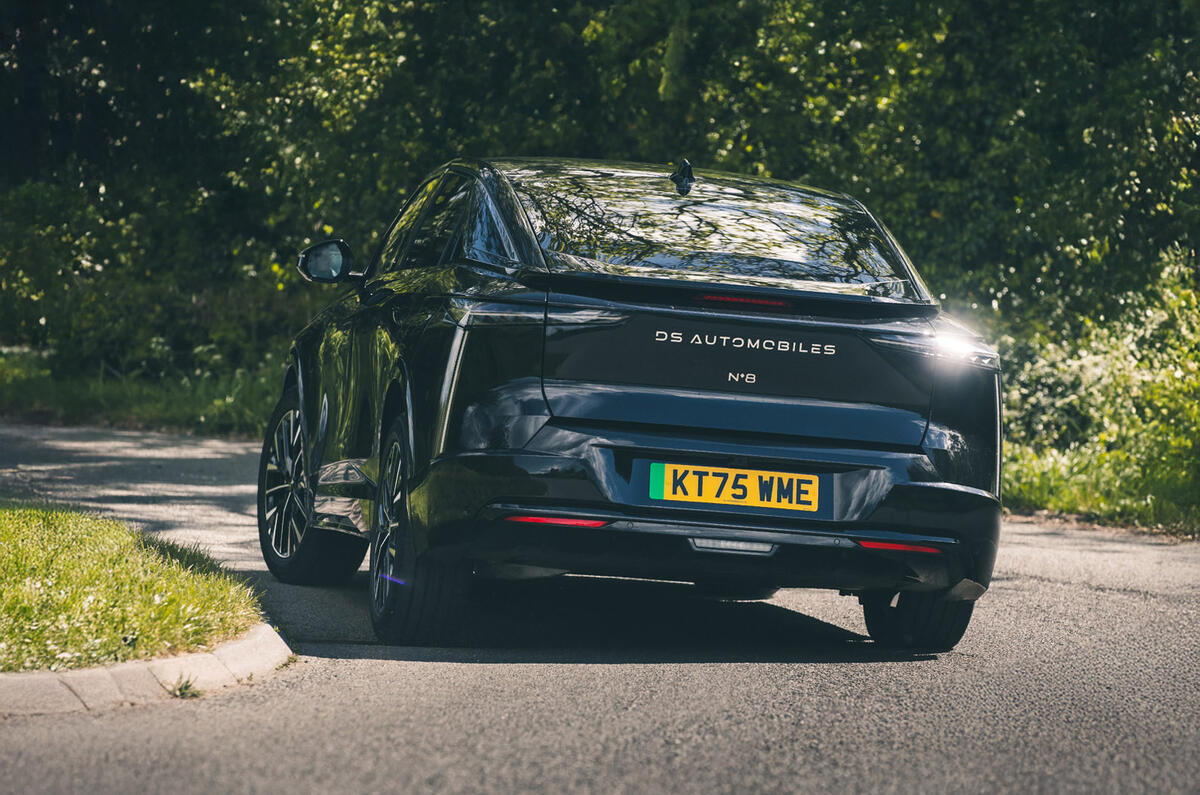
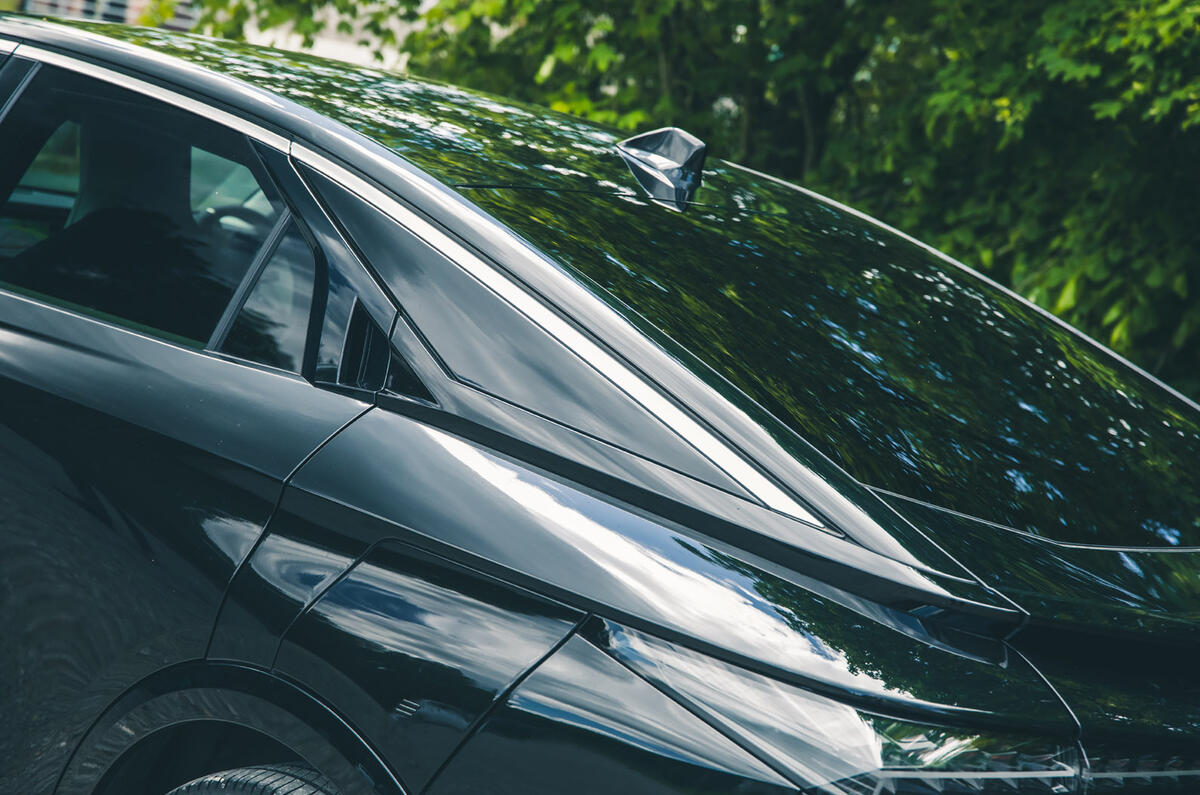
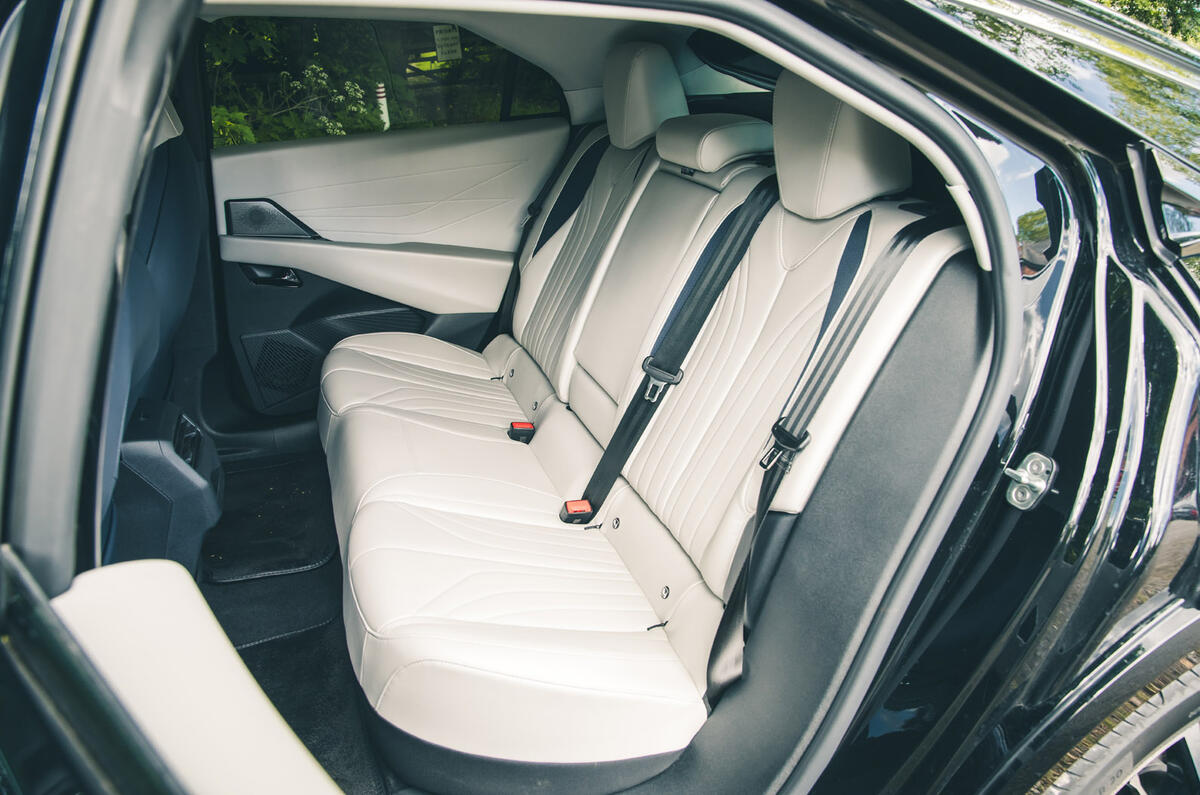
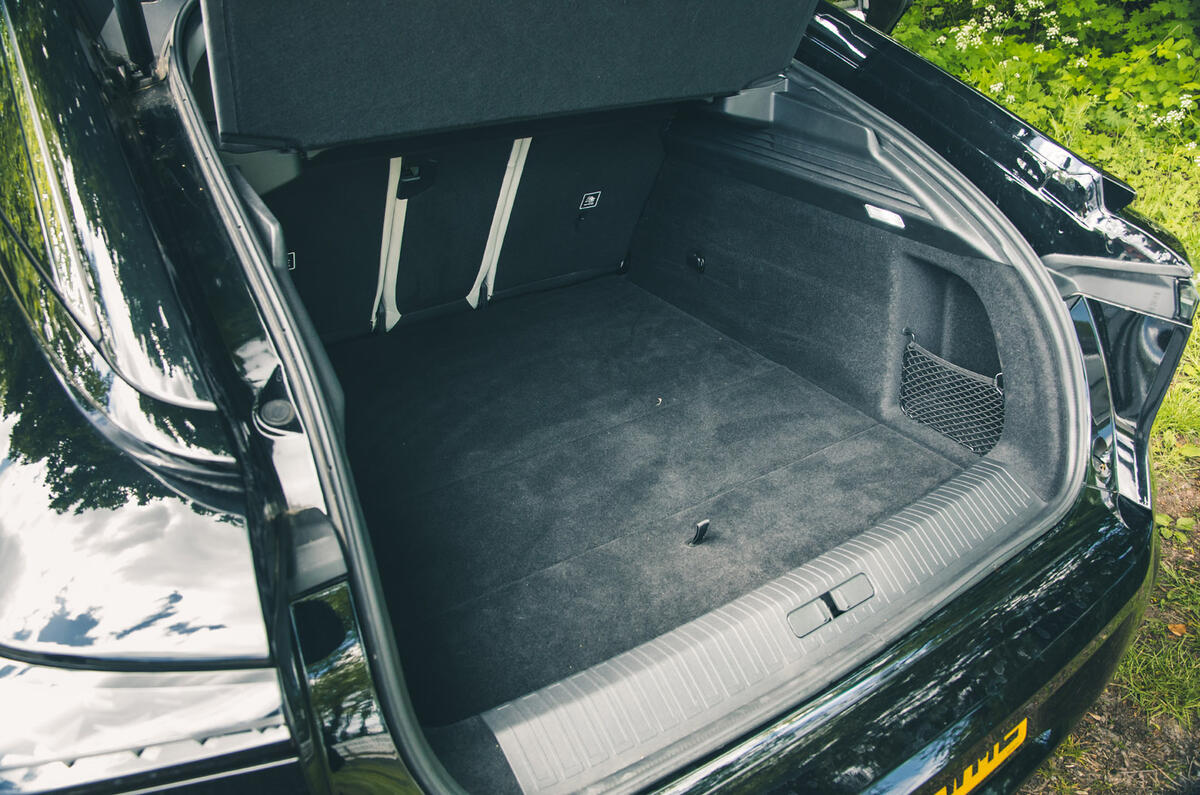
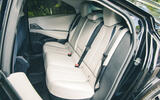
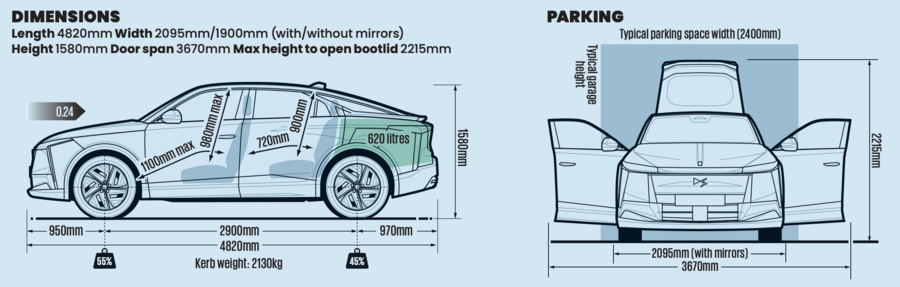
It certainly takes that licence. The car’s 620-litre boot would appear to be generous on paper, but in practice it’s probably too shallow a space, hampered by that tapering tailgate, to rival the most versatile cars in its class. The back seats offer only 720mm of typical leg room and 900mm of head room according to our tape measure (BMW iX3: 760mm and 975mm) and they will lack roominess of feel for plenty of adult passengers – which is a conspicuous failing for a car with the Nº8’s agenda.
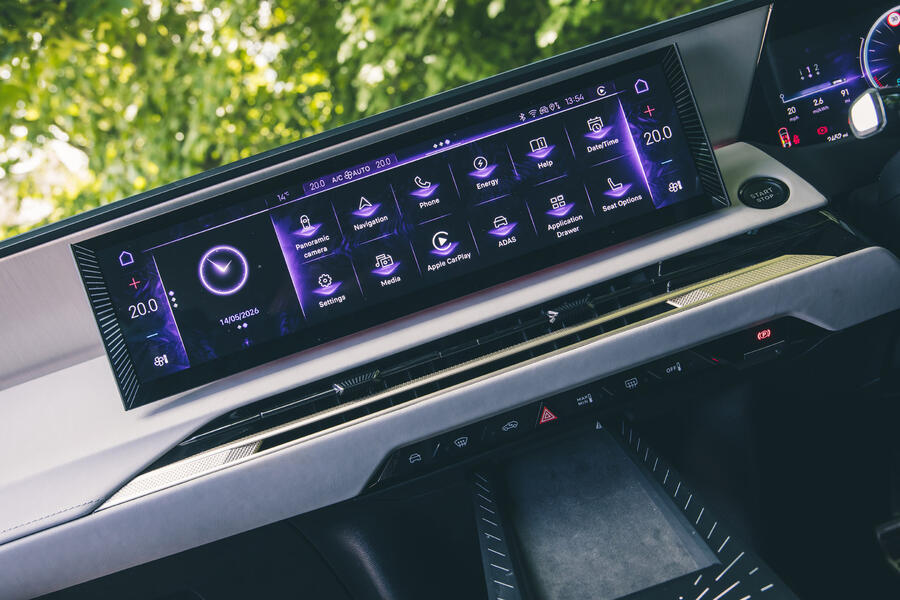
Multimedia - 3.5 stars
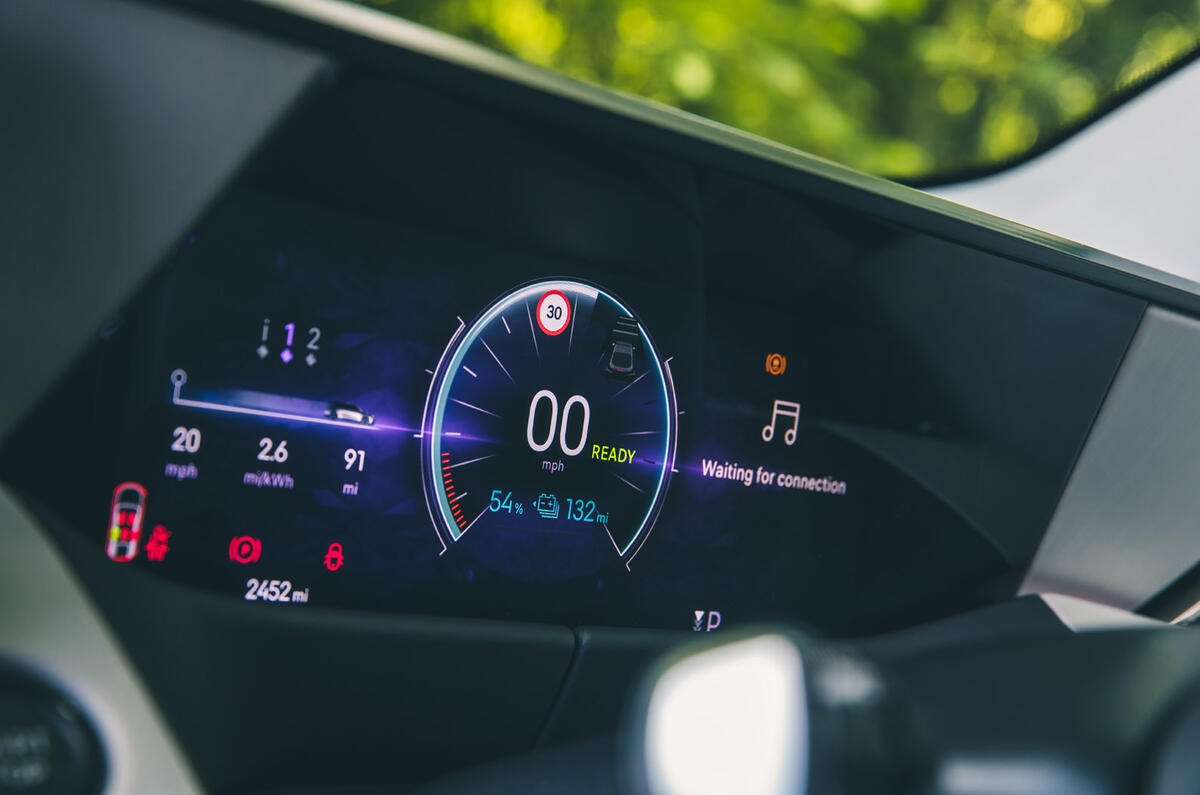
DS has toned down its widely animated, over-stylised philosophy on graphical display of late. The Nº8 has slightly simpler, clearer-looking digital gauges than other DS models we’ve tested over the past five years, and the 16in widescreen touchscreen display in the centre of the fascia is more intuitive to use than some have been. In fact, it differs little from the systems found in the Citroën ë-C5 Aircross and the Peugeot e-3008.