From £339,2459

Ferrari fits a folding hard top to its V12-engined grand tourer

Find Ferrari 12Cilindri Spider deals
New car deals
Nearly-new car deals
Other Services
Sell your car
84% get more money with

When Ferrari took the covers off the 12Cilindri two years ago, it signalled a philosophical reset for the company’s front-engined, twelve-cylinder model.

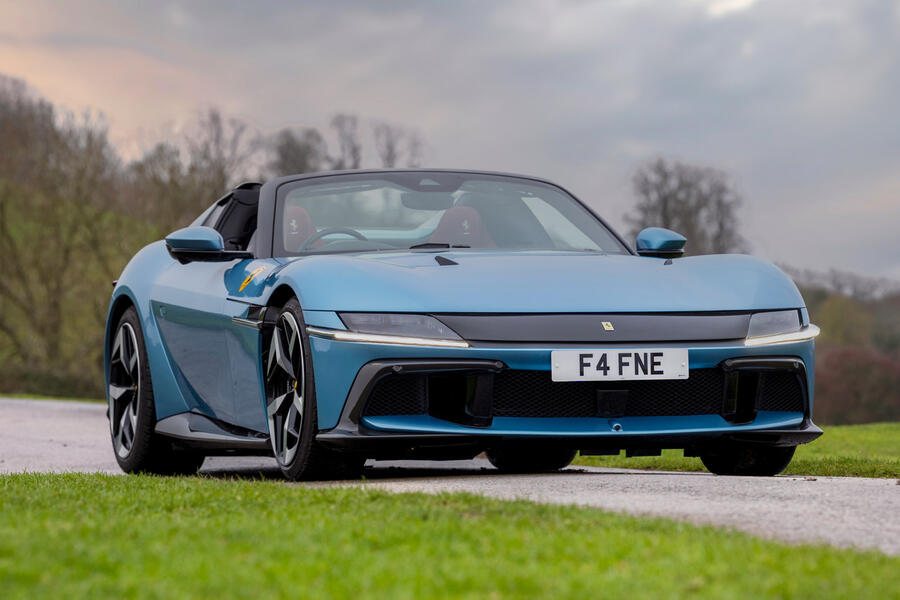
A design nodding clearly in the direction of the legendary 1960s Daytona was the big hint that Maranello had decided to aim for more of a ‘classic grand touring’ character for its long-nosed coupe, and less of an avowed performance agenda than the likes of the 812 and F12 both had.

The likes of Aston Martin and Bentley could have been forgiven for not jumping for joy. But if you happen to like the idea of a more laid-back, classic-mould, front-engined Ferrari, you might well like the Ferrari 12Cilindri Spider - which we’ve just driven in the UK for the first time - even more than the fixed-head coupe.

Advertisement

DESIGN & STYLING

8
Ferrari 12cilindri Spider review 2026 02

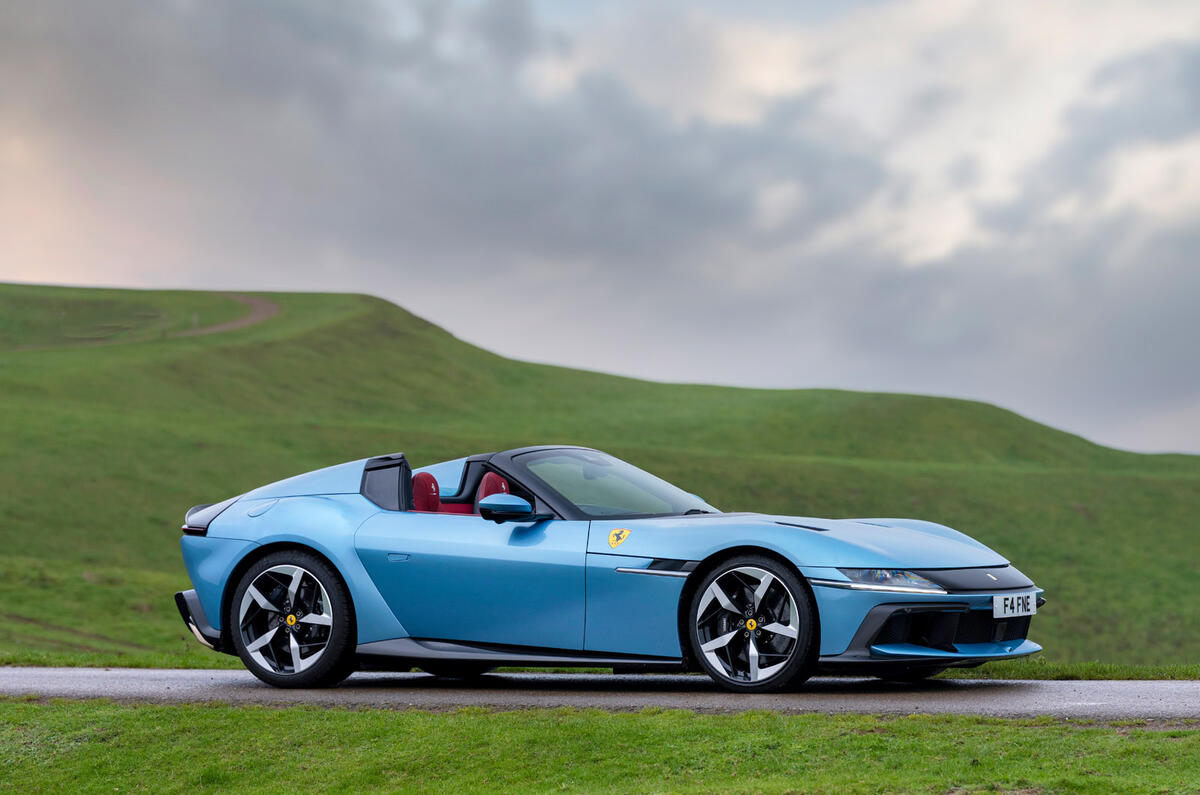
In its mechanical make-up, the Spider is broadly similar to the coupé: a front-engined V12 GT in the old tradition. The significant changes are those to reinforce the body to cope with lopping the roof off it.

Ferrari claims a 15% body rigidity increase over its 812 GTS predecessor but offers no figures for overall rigidity, nor a comparison with the coupé. Chassis mods – notably reinforcement around A- and B-pillars and thicker sills – and the roof folding mechanism add 60kg to the coupé’s 1560kg (dry) weight.

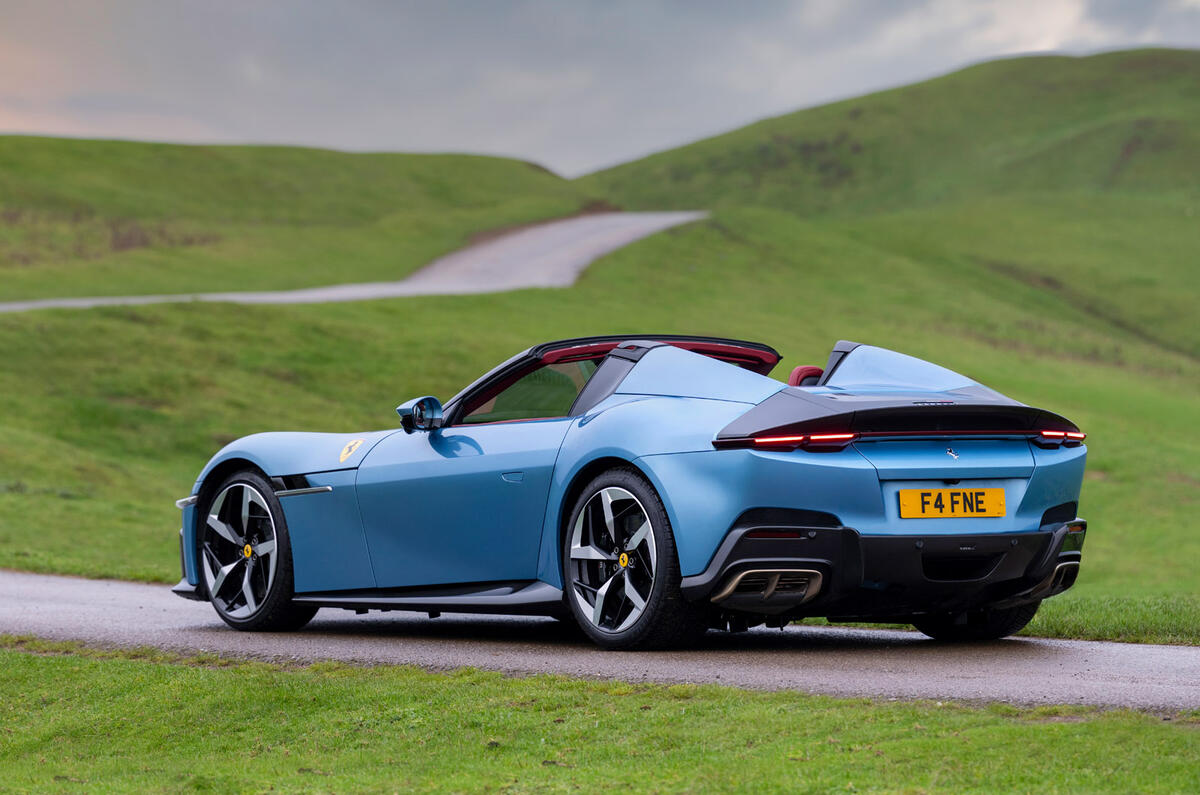
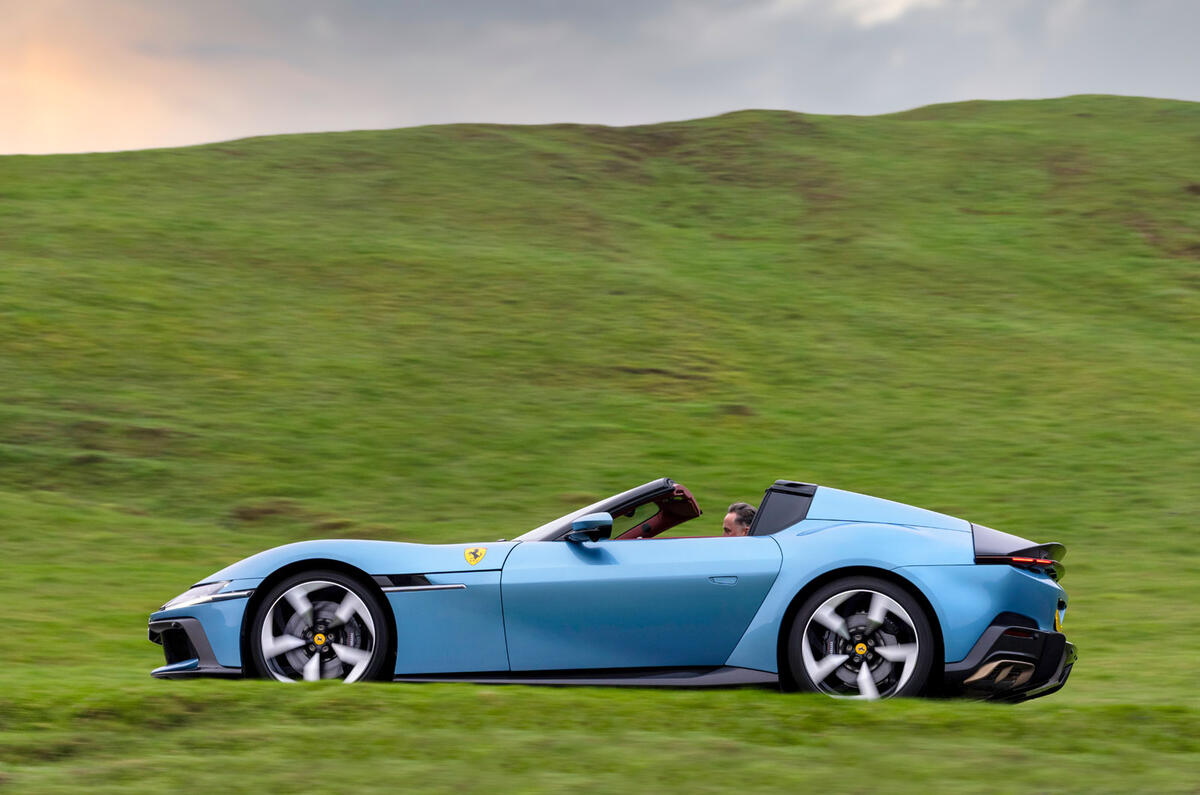
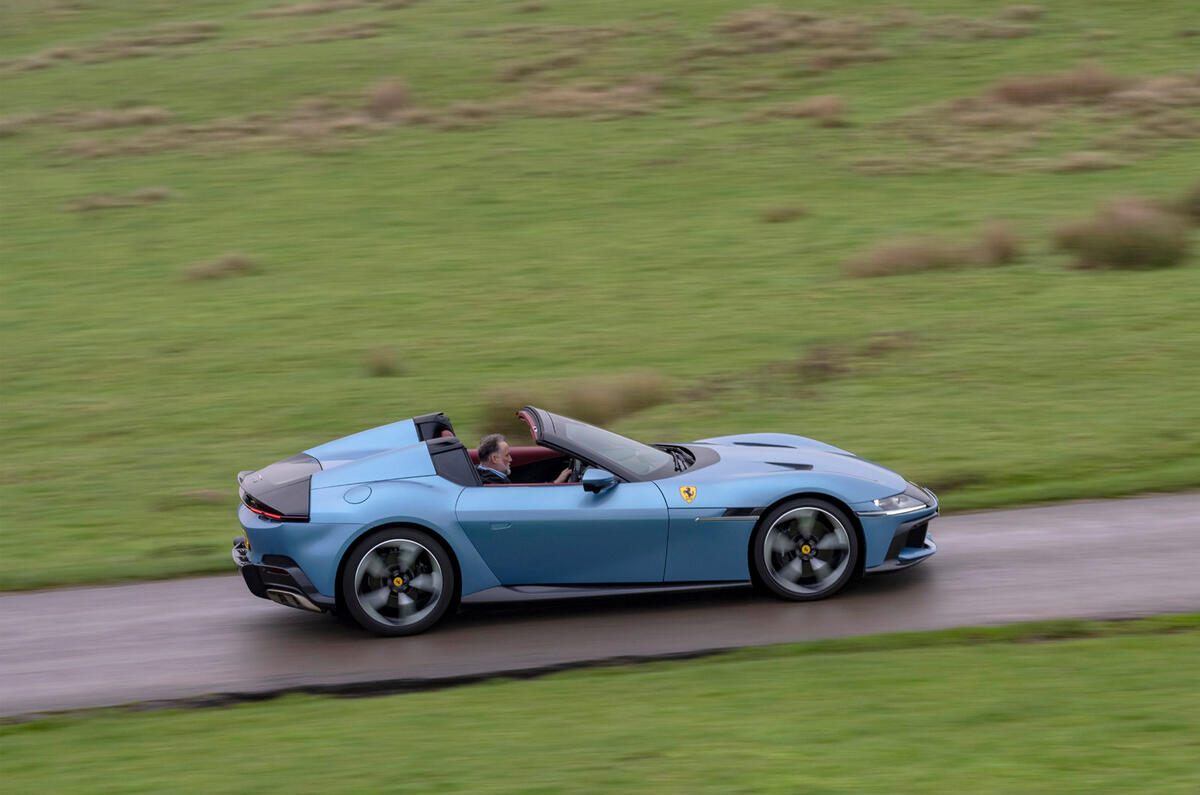
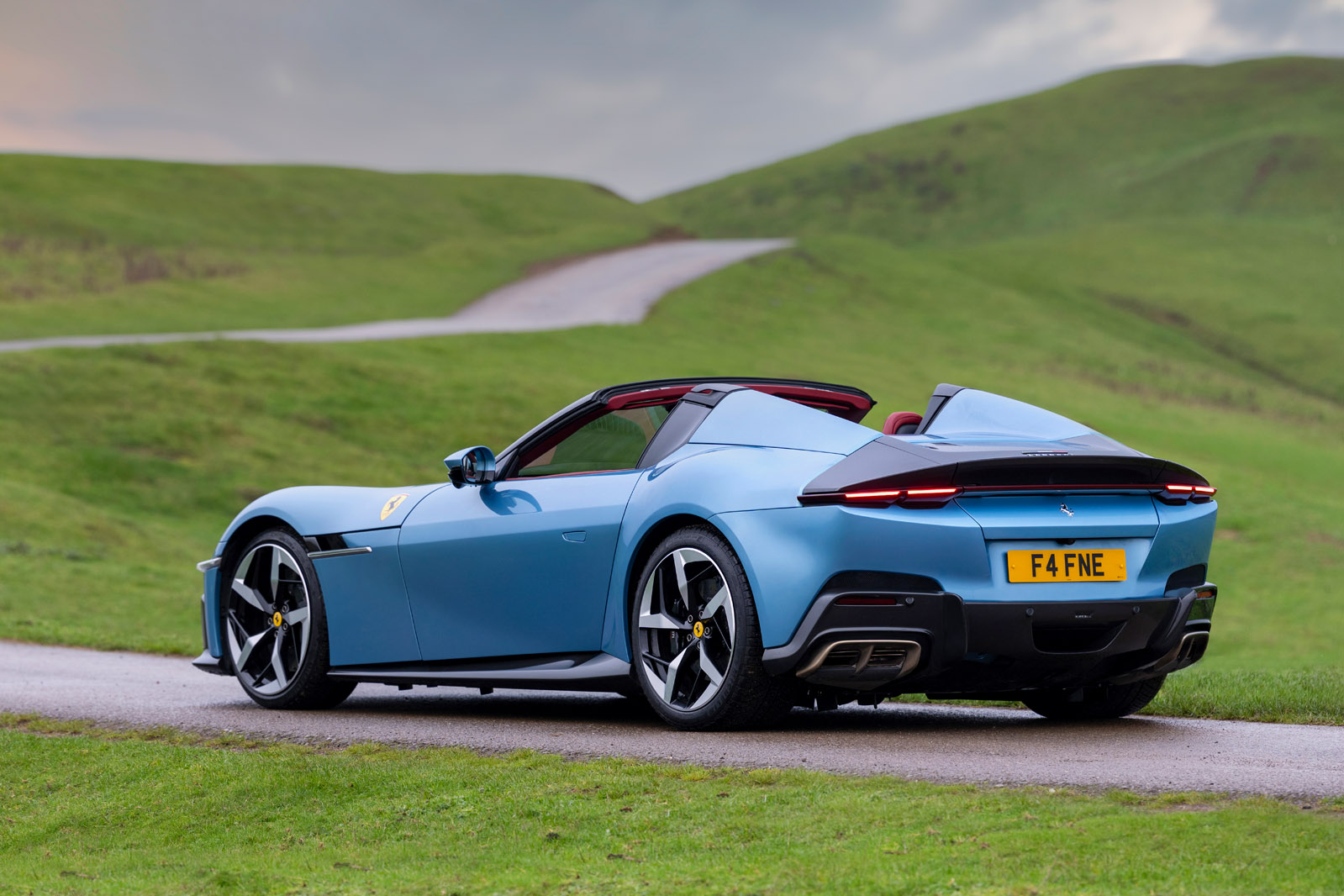
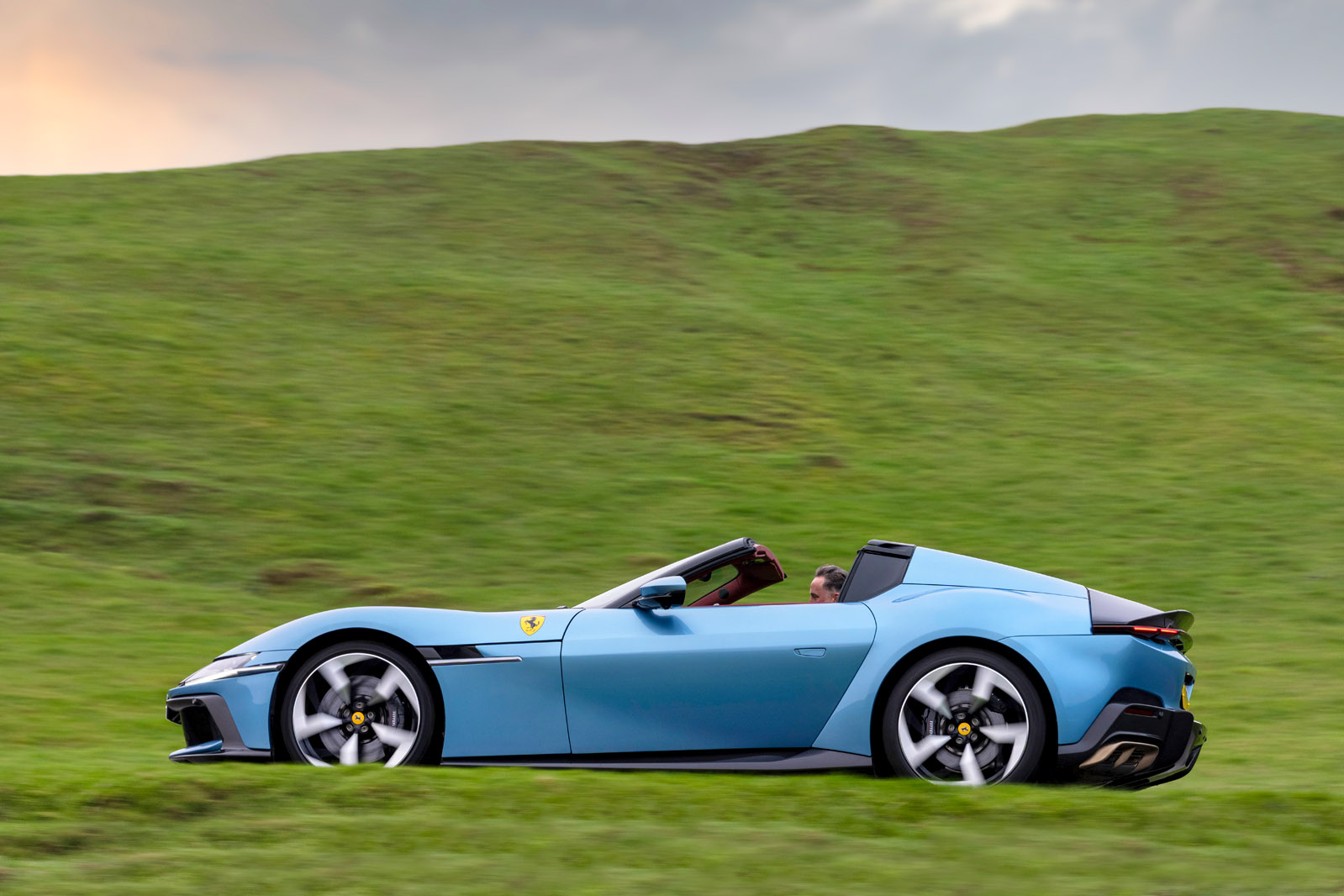
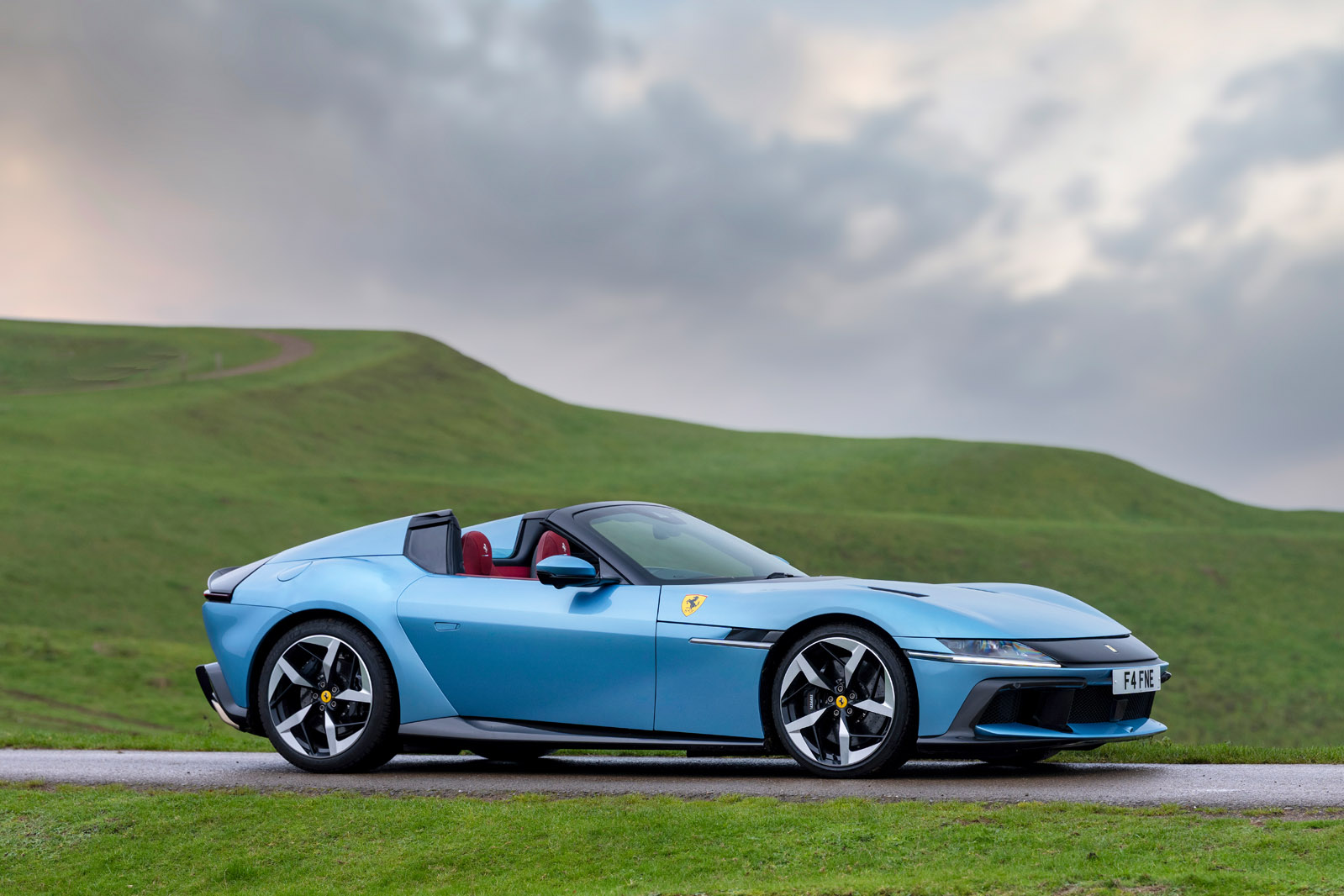
A fabric roof would have added less but, as head of GT exterior design Andrea Militello told Autocar, a soft top like that on the Roma Spider is a “more romantic” alternative. The 12Cilindri’s roof, which folds in 14sec at vehicle speeds of up to 28mph, is “a technical roof, a shell that suits speed. You wouldn’t go to space with a soft top".

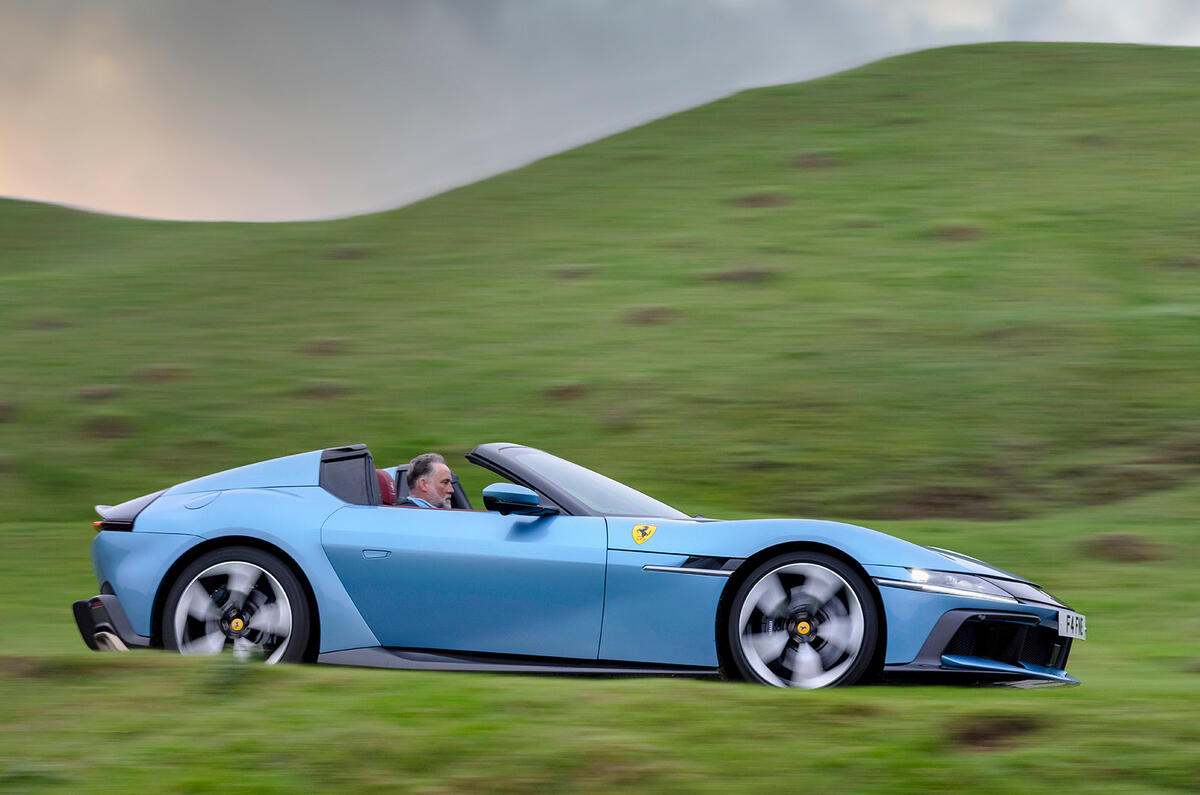
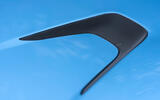
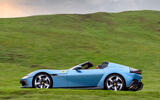
Some of the sci-fi-inspired elements of the coupé’s design (which to my mind remains the more elegant of the two 12Cilindris) have been toned down here, with the loss of the coupe's almost delta-wing rear window, which is especially jaw-dropping when seen from above; but I get what he means.

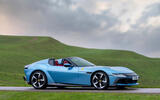
The Spider's still striking, of course. The bonnet length is imposing, and the car has more presence than a vehicle 4.7m long and 2.0m wide (across the body) normally would.

INTERIOR

8
Ferrari 12cilindri Spider review 2026 05

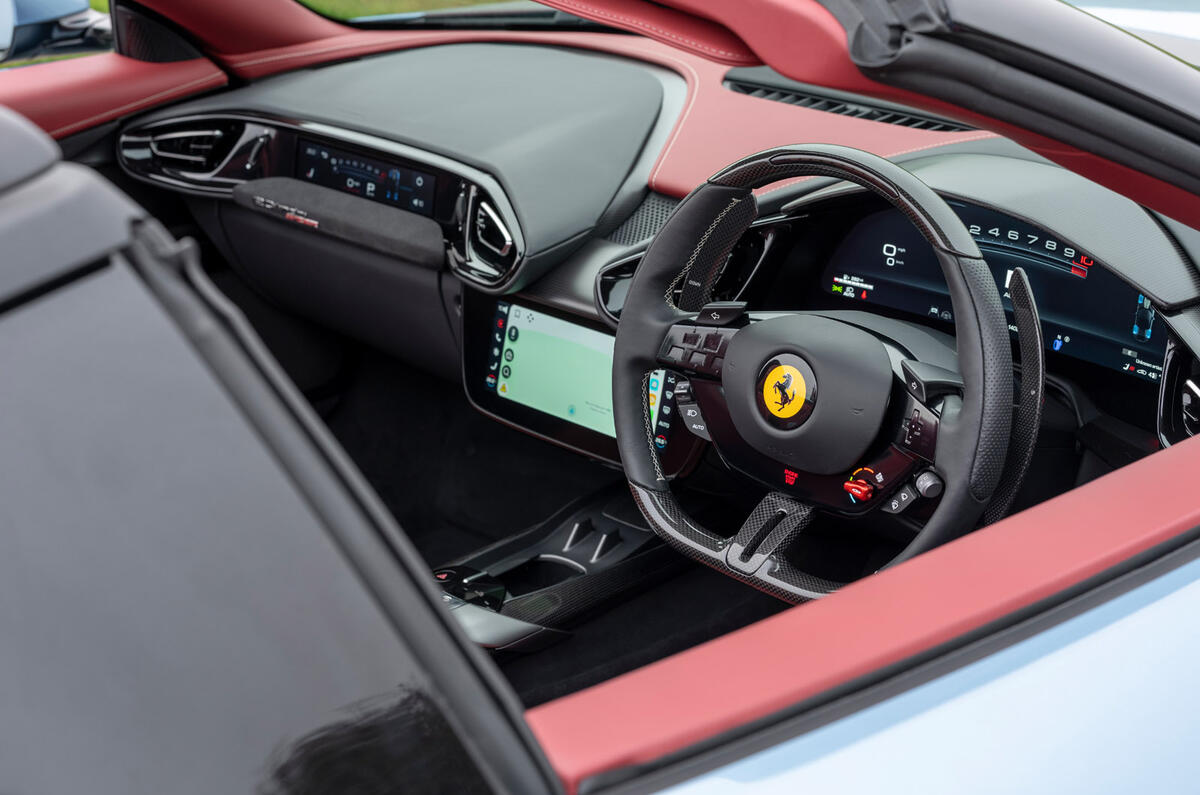
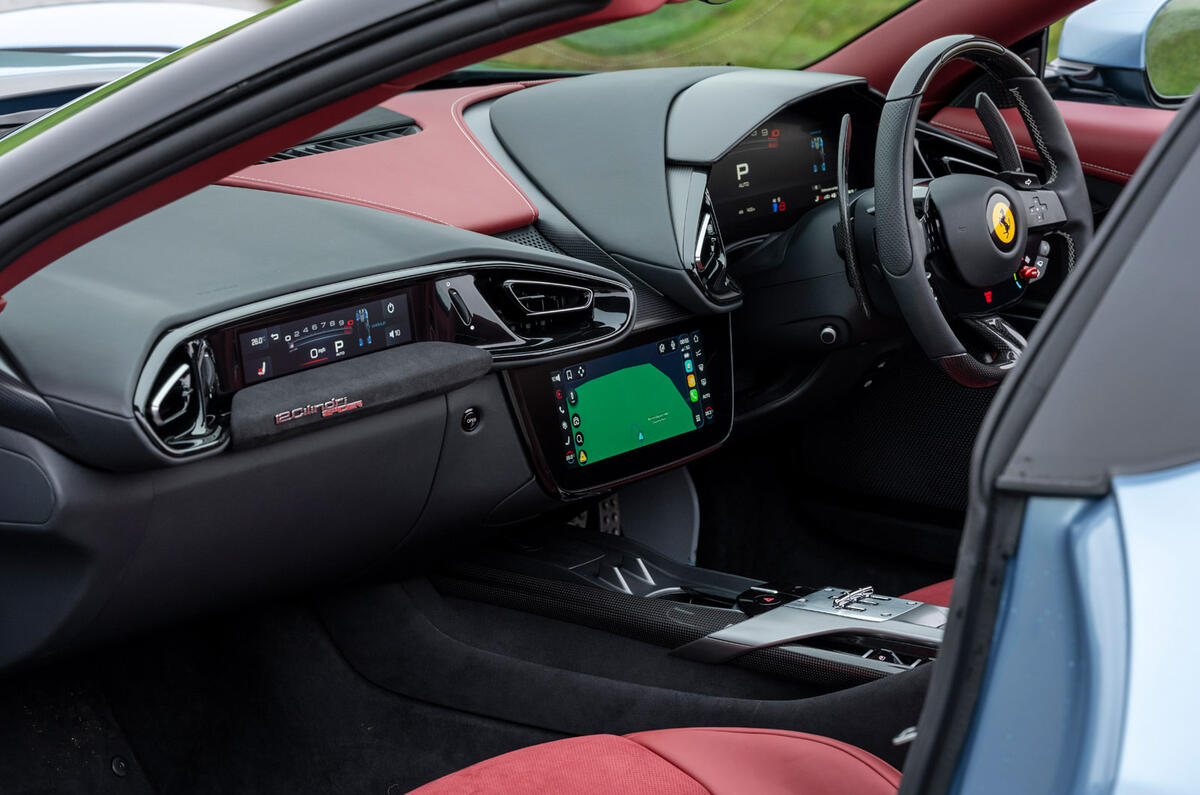
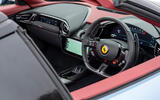
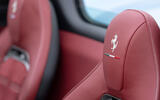
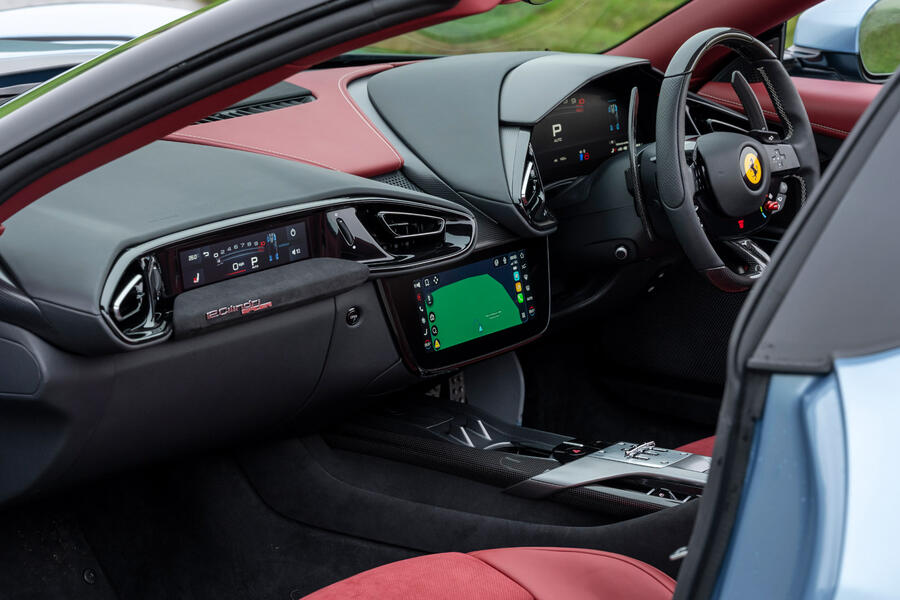
The 12Cilindri Spider's cockpit is a strict two-seater, and so more intimate than some.

There’s little to no useful space behind either seat; but there are small storage compartments in the door panels, there's a smallish one under the central armrest, the glove box is a useful size, and there’s a 200-litre boot at the rear separate from the storage area for the roof.

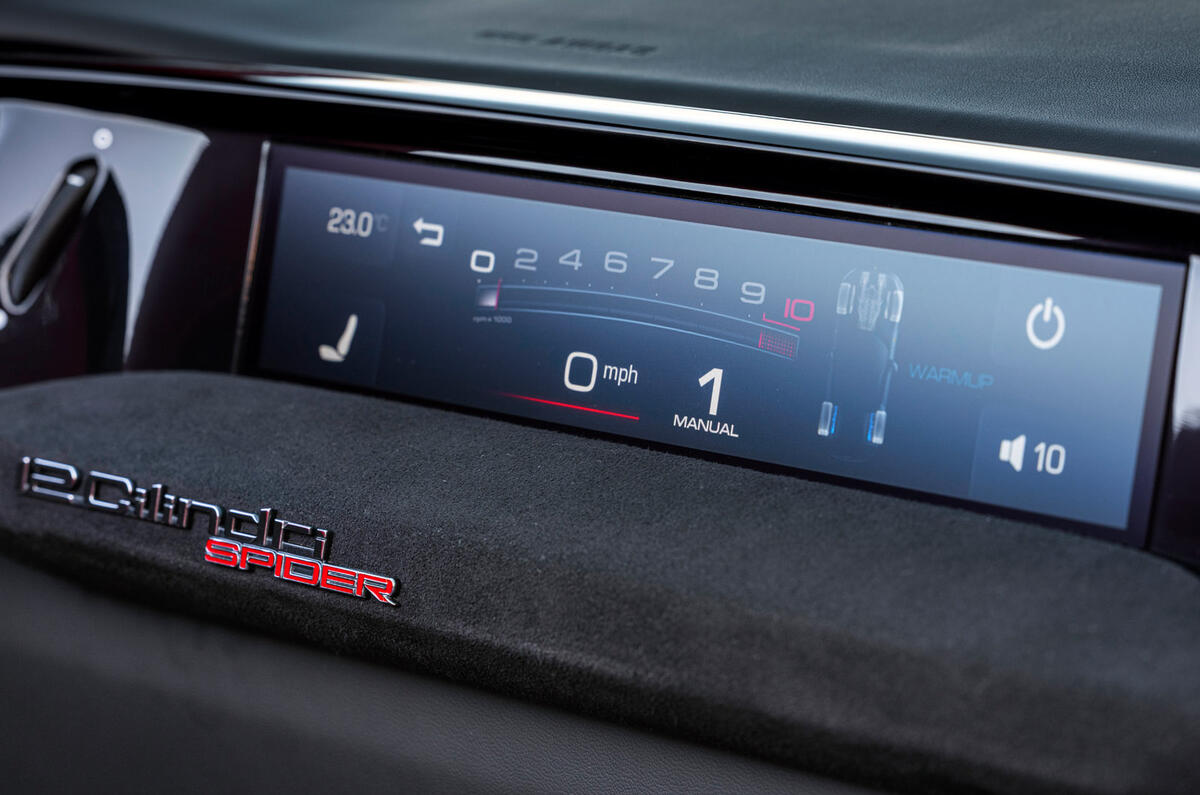
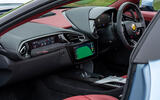
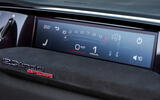
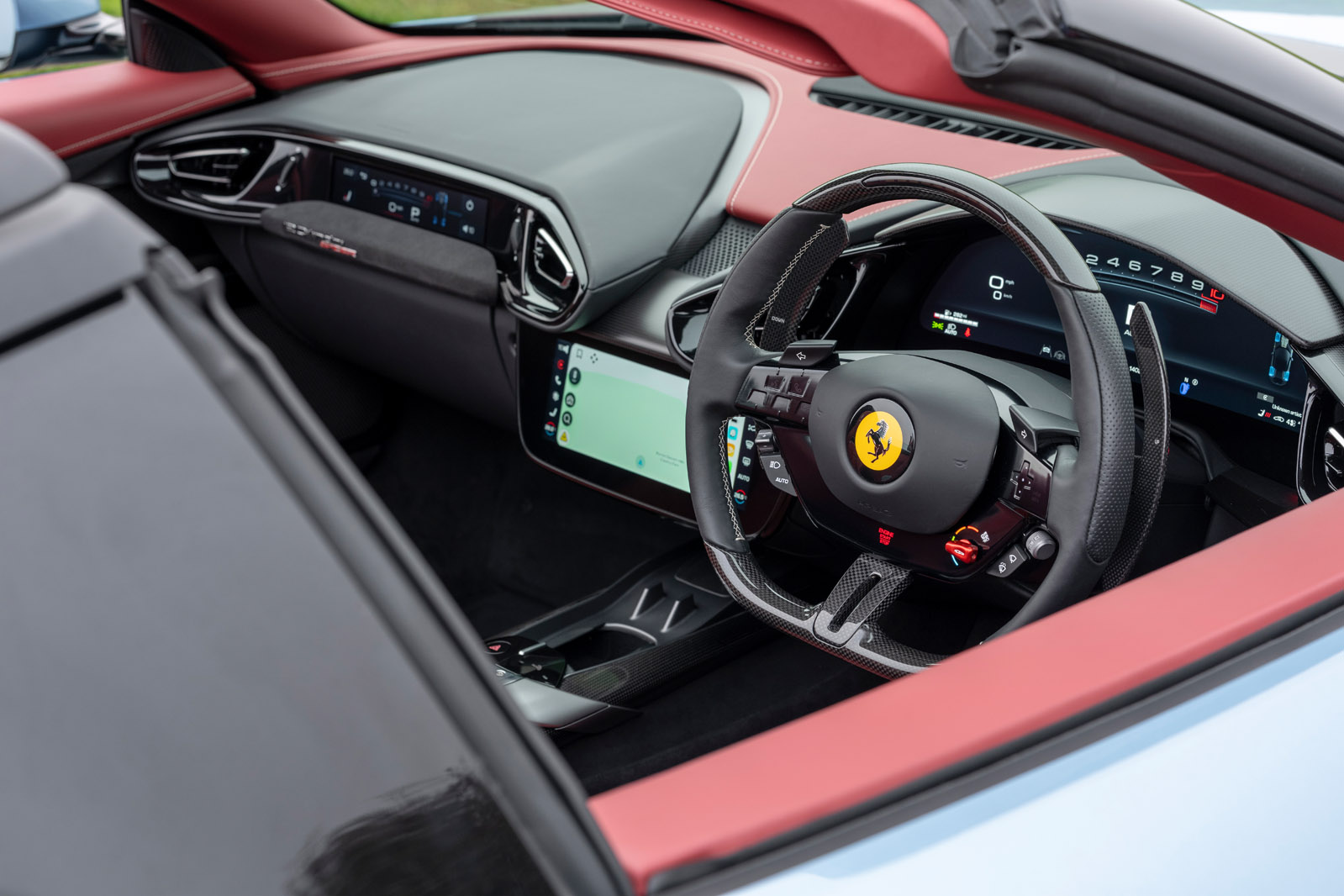
Unlike the 296, the 12Cilindri has a central touchscreen infotainment system; so the onus needn’t be on the driver, via the binnacle computer, to adjust every little thing. Somehow, the upshot is better usability and less distraction.

The latter may be 25 per cent smaller than the coupe gets - but it’s actually more cargo area than a Bentley GTC currently offers, or than an Aston Martin Vanquish Volante has with its roof down. You won’t find space for big cases within it - but a smaller one, plus a couple of soft bags, would go in. Enough, just about, to make the car genuinely usable.

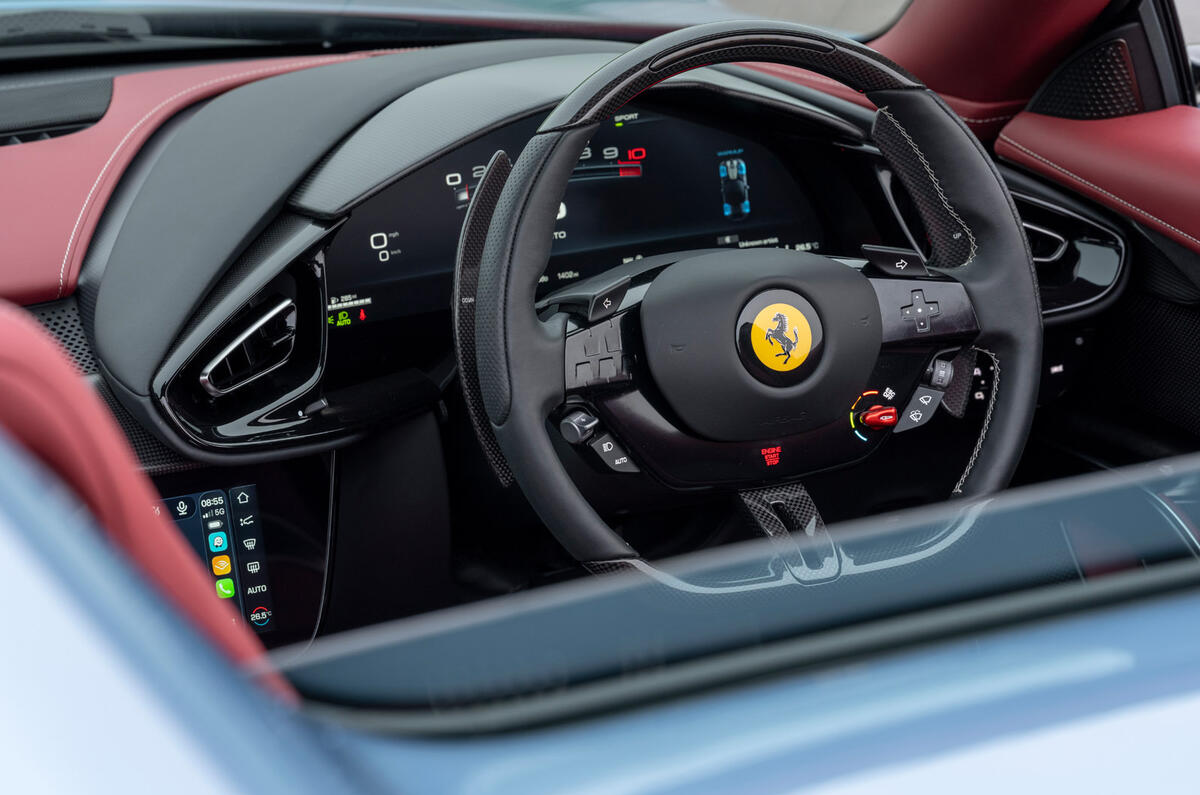
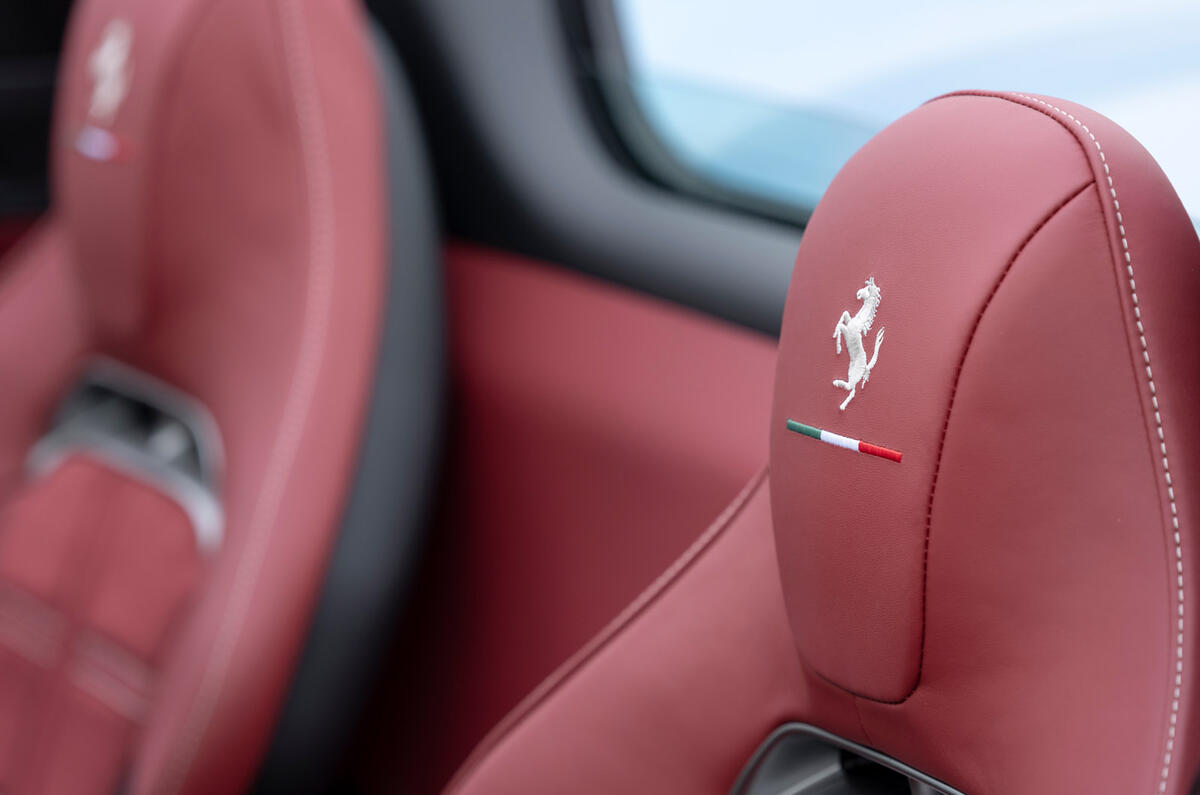
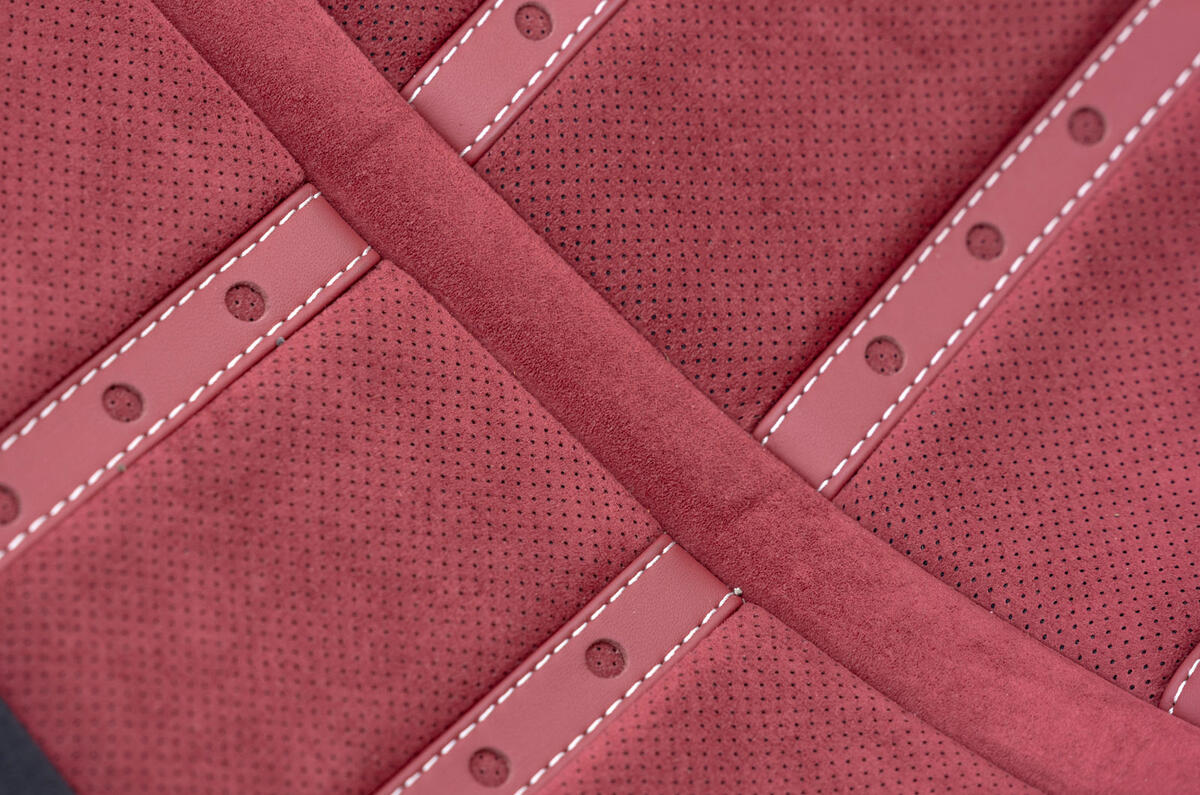
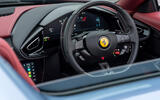
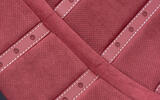
From the driver’s seat, the car’s close to Aston Martin for comfort, luxury feel and ergonomic scrupulousness; but doesn’t get into Bentley territory. The driving position is straight and comfortable, the seat soft and supportive enough - though it doesn’t adjust every which way, and couldn’t actually be set as low as this 6ft 3in tester would have preferred. The cabin’s fixtures and fittings range from the tactile and metallic to the slightly flimsy and plasticky. In that respect, the car could certainly do with more of the new Luce’s substantial material heft (and, if it doesn’t get it soon enough, expect owners to have some ‘feedback’ for the factory).

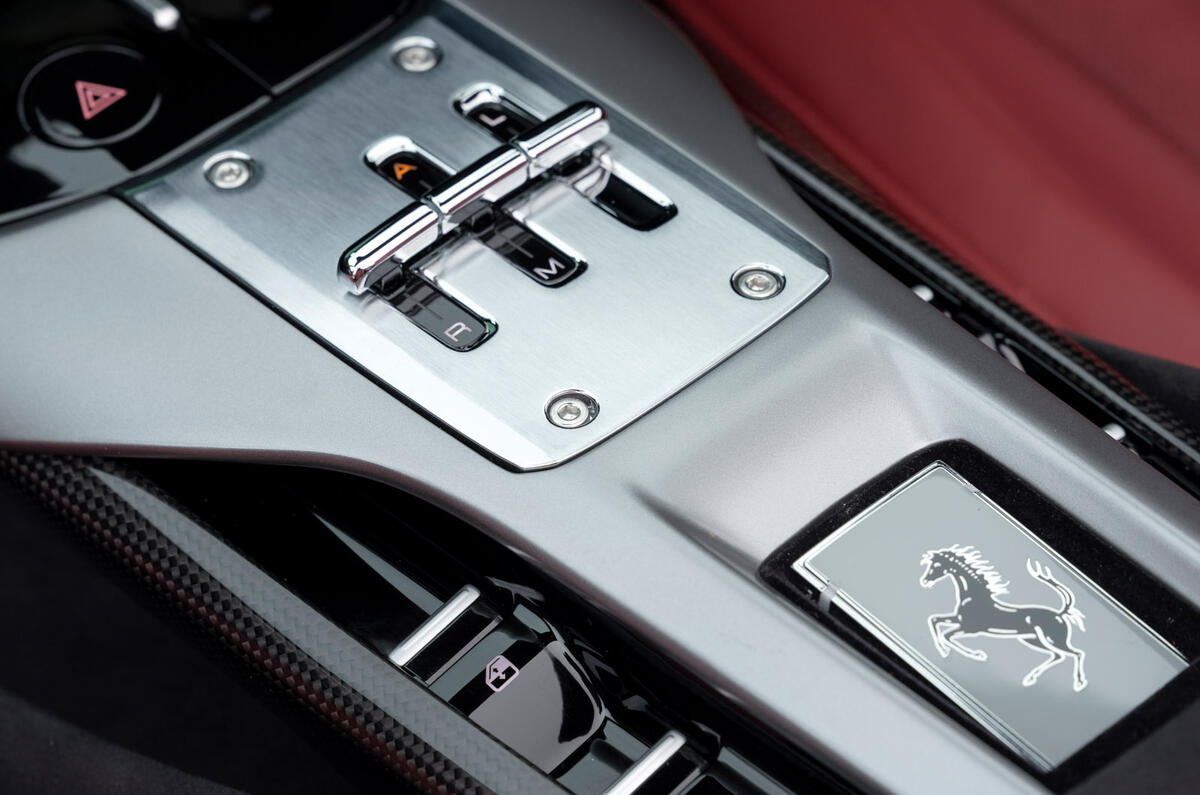
You can pick from luxurious-feeling materials or something like the carbonfibre that adorned our test car.

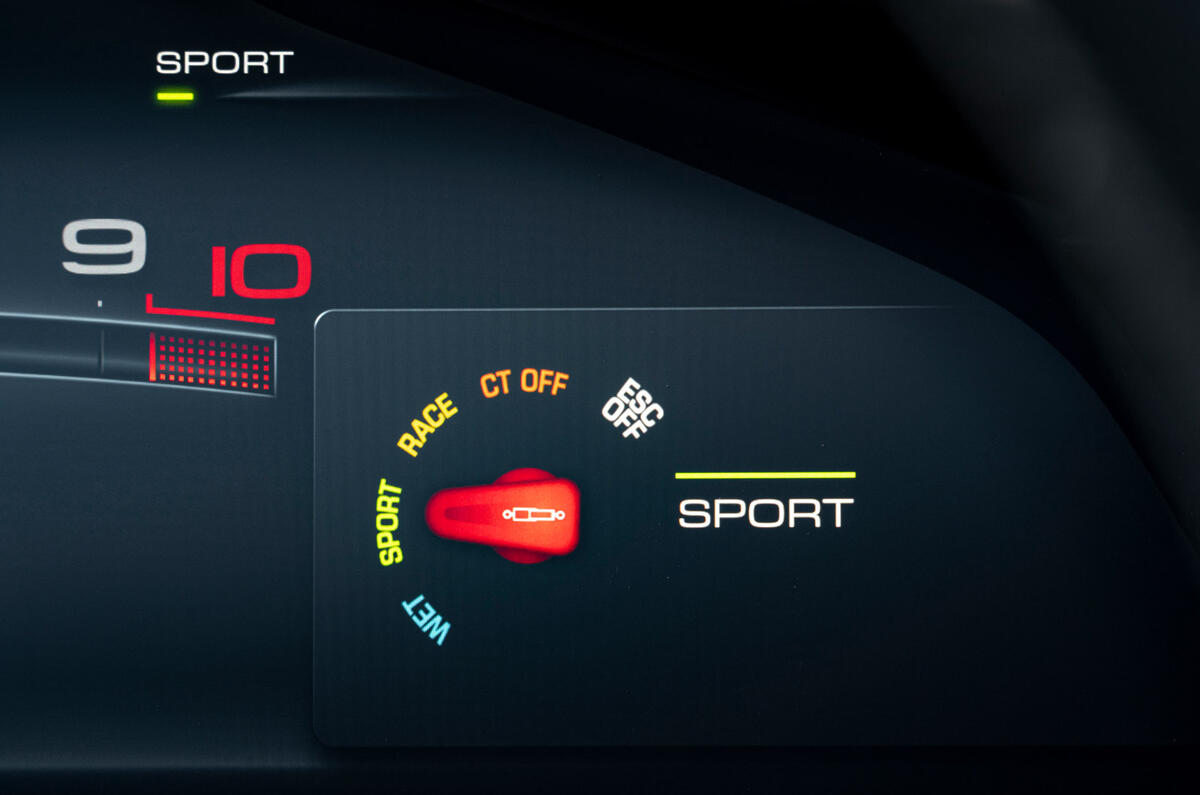
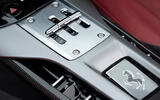
The steering column has paddles that stay where they are as the wheel is turned, which relegates the indicator buttons to one each side of the steering wheel. Lights and wipers are there too – a little fiddly, but you get used to it. Driving modes are adjusted from the steering wheel too. The only driving-related function controlled from the central touchscreen is for the nose lift.

That touchscreen, incidentally, links to a smartphone to handle infotainment. Ferrari offers no sat-nav, for example - because sensibly it figures that owners with a third of a million quid have a phone that will do the job better. And when you have nothing on the touchscreen, the blank black screen is meant to have been installed discreetly enough to meld into the rest of the design.

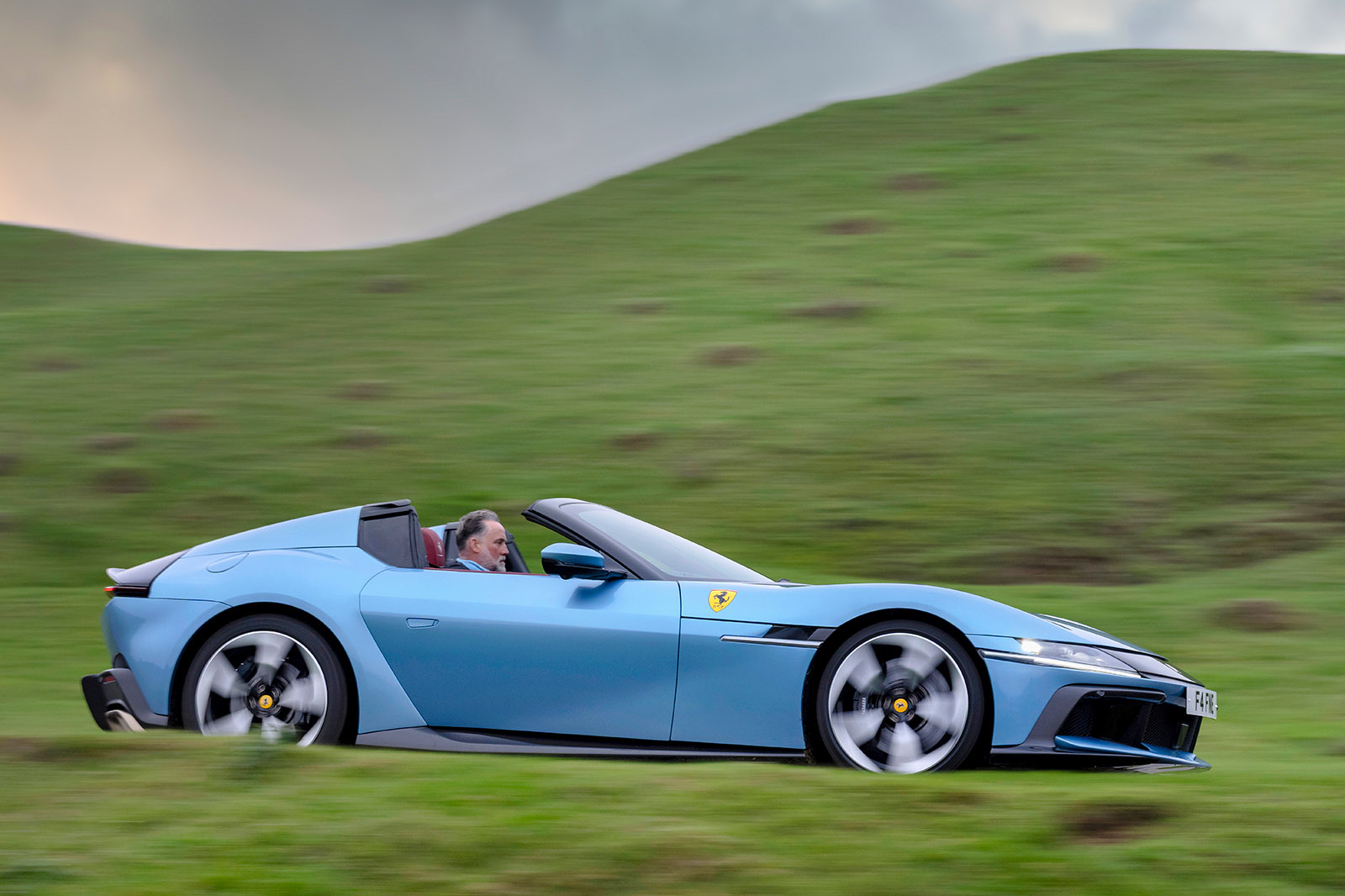
The roof, meanwhile, can be dropped in 14sec at vehicle speeds of up to 28mph.

ENGINES & PERFORMANCE

9
Ferrari 12cilindri Spider review 2026 14

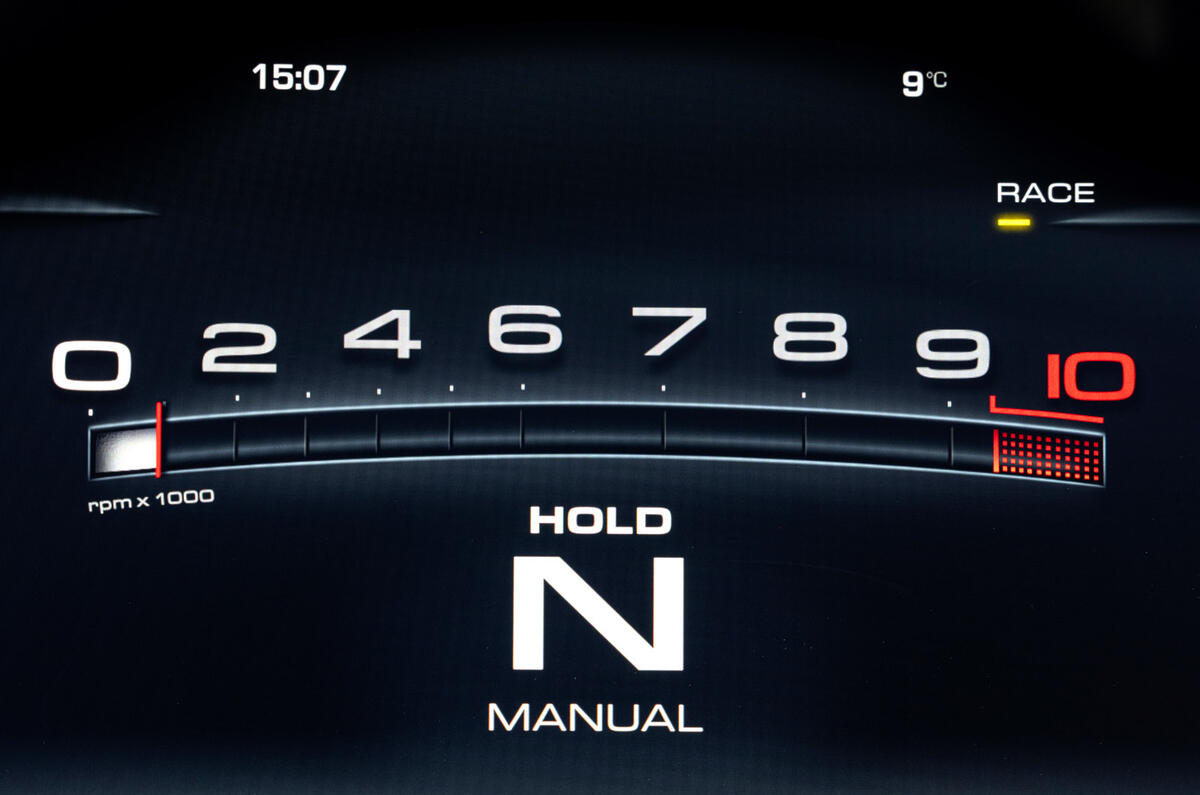
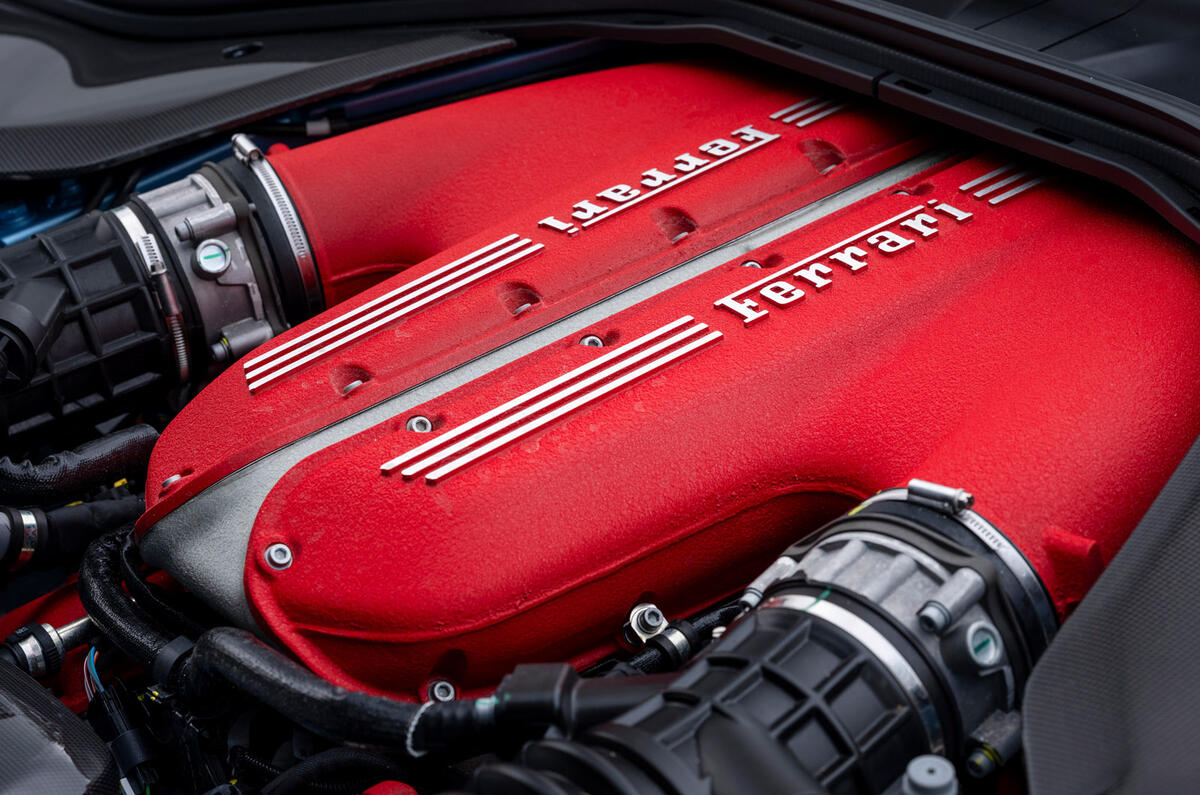
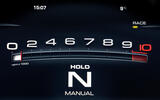
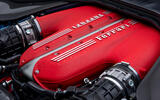
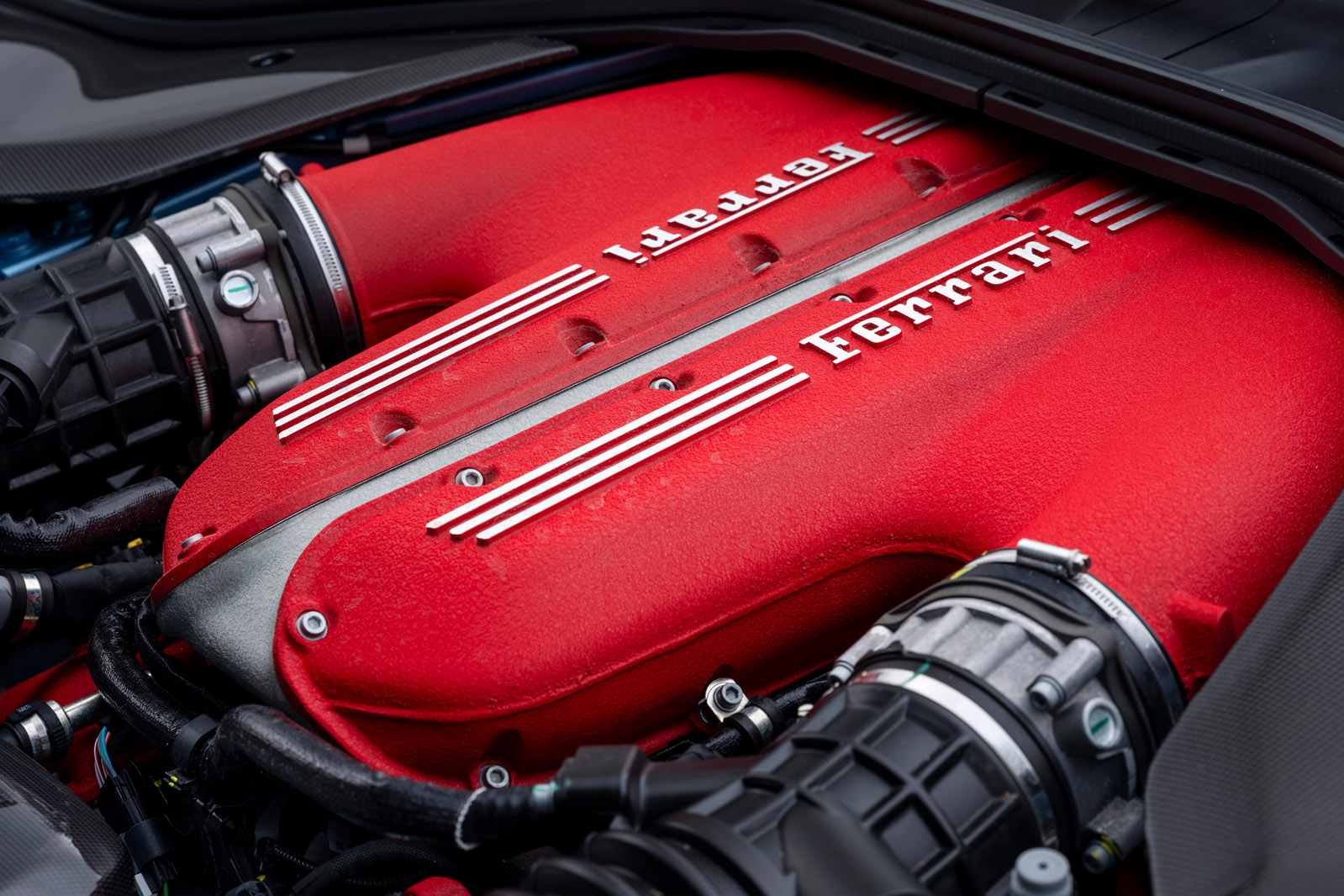
Dropping the roof lets you better hear one of the world’s great engines, of course. The 6.5-litre, naturally aspirated V12 only shouts really loudly at high revs and in the racier drive modes. But even above 9000rpm, it’s smoothly noisy rather than raucous.

It’s easy to understand why, despite the rigidity (and, to my eyes, aesthetic) drawbacks, half of all 12Cilindris sold will be Spiders.

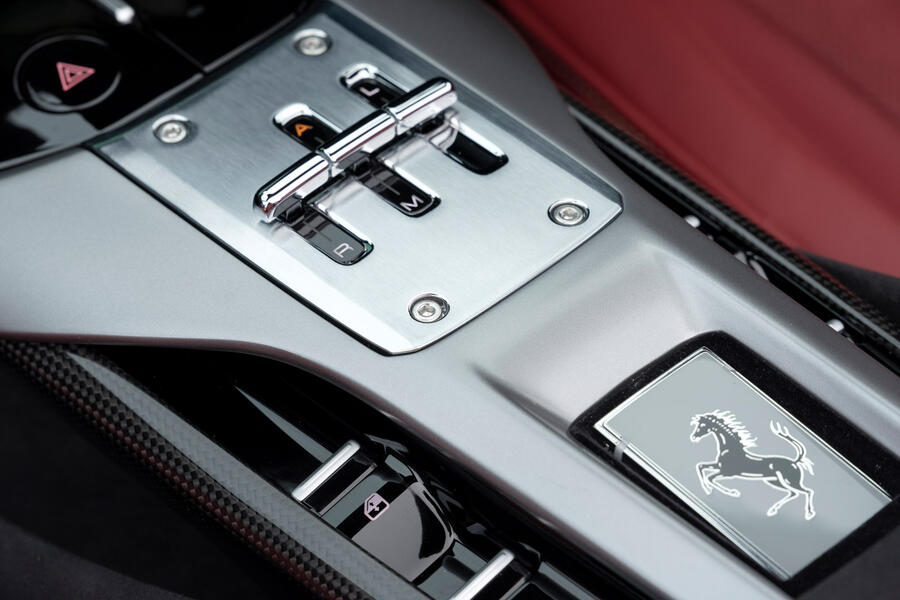
Dual-clutch automatics like the 12Cilindri's are rarely as silky-smooth as torque-converter autos as you tip into the accelerator travel and move off. But the trade off here is that the 12Cilindri can deliver rapier-sharp, rapid-fire paddleshift downshifts when you want them; and, with this engine, you will.

That, as in the coupé, the engine response is calmed down in third and fourth gears, to be more linear, less hyper - and that those are the predominant driving gears on nice back roads - just enhances the experience.

While Ferrari’s dual-clutch transmission doesn’t always engage at low speeds faultlessly smoothly, it’s fast-shifting and obedient at other times, and feels well matched to the car’s principal attraction.

The way that V12 recedes into the background during cruising, spinning beautifully smoothly and revving with wonderful linearity - and only raising its voice when you let it work beyond 6000rpm, when it opens its soprano lungs to virtuoso effect - might, as il Commendatore used to suggest, almost be worth the price of admission all on its own (though, of course, it’s some price).

Also - even though this car has been chilled down a little over its predecessor, it’s still incredibly fast (they called the one that came before it the Superfast and that had 30 fewer horsepower than this). Peak power is 819bhp at more than 9000rpm, and peak torque - 500lb ft - arrives at 7250rpm, beyond the point where most engines have since given up.

Outright performance in the Spider is down a smidgeon on the coupé, but these things are relative: we’re still talking about a car that can go from 0-62mph in 3.0sec, and go on to 211mph.

Likewise, brake pedal feel is strong and consistent: by-wire braking means the pedal always feels the same, with good weighting to lean against and progressive feel as the car comes to a stop.

RIDE & HANDLING

9
Ferrari 12cilindri Spider review 2026 15

There are suspension tuning differences to take account of the Spider’s additional weight, and the fact that inevitably the centre of gravity has shifted upwards and rearwards; but even so, this roofless variant is meant to retain most of the motive character of the coupé. 
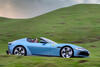
This is a car brilliantly suited to covering long distances, and enlivening those journeys with not just speed and dynamism but also richness, comfort and fluent handling poise. The retractable hard-top, which folds oh-so-easily, enriches the experience all the more.

For ride comfort, 12Cilindri has the ‘bumpy road’ damper setting that takes the edge off uneven surfaces. Roof up, you notice a little extra body shimmy, and a smidge of loss of rigidity, compared with the coupé.

As with many folding hard-topped cars, the roof clicking into place seems to reinforce things a little, because the car feels like it flexes a tiny bit more with it down; but not to an extent you'd notice on all but the bumpiest country roads. This is, to most intents and purposes, a car as rigid-feeling as any comparable convertible. In some ways, it's a lot like some giant-sized, extra-powerful Mazda MX-5.

Swapping between roof open and closed modes is a doddle. And with it down, there’s limited buffeting. The back window can be lowered or raised but defaults to a halfway point that lets in the least neck draught.

The steering is fast, at just under two turns lock to lock; but it's weighty enough and doesn’t feel nervy. In moving from 812 to 12Cilindri, this car's wheelbase was shortened by 20mm, and the driver actually now sits closer to the back axle; but it doesn’t feel that way.

With a later generation of active rear steering, plus the suspension and steering tuning of this particular car, it feels more like you sit in the middle of the 12Cilindri and less like you’re on the back axle, holding on like racing a chariot with the horsepower and steering some way in the far distance; which, to an extent, was how this car's predecessors made it seem.

The short of it is, the car's handling is more agile and incisive than you expect of something of this size and type - but it remains fluent and intuitive, too. The ride has more tautness and connected feel about it than that of the average GT - but can also be supple, settled and isolated enough for gnarlier, coarser surfaces. Purosangue SUV aside, this is probably the most dynamically versatile of the lot.

MPG & RUNNING COSTS

7
Ferrari 12cilindri Spider review 2026 01

At the thick end of £400,000 and with a 6.5-litre V12 returning 17.8mpg and 360g/km of CO2, this is not a car for those who worry too much about economy and running costs. Even among exclusive luxury GT convertibles, this one's expensive.

But it’s worth knowing that Ferrari offers a solid warranty, even an extended one; and while the cars don’t tend to end up featuring heavily in satisfaction surveys, buyers enjoy the ownership proposition enough that they keep coming back.

VERDICT

9
Ferrari 12cilindri Spider review 2026 17

One or two of Autocar's testers have been left a little ambivalent about some 12Cilindris they've tested over the last eighteen months; but this one has the sweetly balanced dynamic priorities of a car you could drive across a continent, and a persona to vividly enjoy over every mile.

Overall, the 12Cilindri Spider’s character remains pretty much true to the coupé’s. You might occasionally notice some loss of body rigidity - but depending on where you live and how you like to enjoy your car, the additional exposure to the V12’s sounds, and the ability to use the car as a suntrap, may well be worth that compromise.

The car has an eminently agreeable interior; an engine to die for; an excellent transmission; and a blend of ride and handling that gives it the right amount of agility, coupled to a ride sufficiently absorbent that you could happily spend lengthy trips at the wheel, and not worry where the road took you.

In becoming a less extreme sports car than the 812 Superfast, the 12Cilindri became a better car all around. So much we already knew. But the Spider version seems to embody this even better than the coupe. It’s a calmer, cosier, more intimate and chilled drive than other recent Ferrari V12s, and all the better for it.

Matt Saunders

Matt Saunders Autocar
Title: Road test editor

As Autocar’s chief car tester and reviewer, it’s Matt’s job to ensure the quality, objectivity, relevance and rigour of the entirety of Autocar’s reviews output, as well contributing a great many detailed road tests, group tests and drive reviews himself.

Matt has been an Autocar staffer since the autumn of 2003, and has been lucky enough to work alongside some of the magazine’s best-known writers and contributors over that time. He served as staff writer, features editor, assistant editor and digital editor, before joining the road test desk in 2011.

Since then he’s driven, measured, lap-timed, figured, and reported on cars as varied as the Bugatti Veyron, Rolls-Royce PhantomTesla RoadsterAriel Hipercar, Tata Nano, McLaren SennaRenault Twizy and Toyota Mirai. Among his wider personal highlights of the job have been covering Sebastien Loeb’s record-breaking run at Pikes Peak in 2013; doing 190mph on derestricted German autobahn in a Brabus Rocket; and driving McLaren’s legendary ‘XP5’ F1 prototype. His own car is a trusty Mazda CX-5.

Matt Prior

Matt Prior
Title: Editor-at-large

Matt is Autocar’s lead features writer and presenter, is the main face of Autocar’s YouTube channel, presents the My Week In Cars podcast and has written his weekly column, Tester’s Notes, since 2013.

Matt is an automotive engineer who has been writing and talking about cars since 1997. He joined Autocar in 2005 as deputy road test editor, prior to which he was road test editor and world rally editor for Channel 4’s automotive website, 4Car. 

Into all things engineering and automotive from any era, Matt is as comfortable regularly contributing to sibling titles Move Electric and Classic & Sports Car as he is writing for Autocar. He has a racing licence, and some malfunctioning classic cars and motorbikes.