8

Familiar styling conceals total transformation for brand's best-seller as it turns electric to face the new BMW iX3

Find Mercedes-Benz GLC Electric deals
Other Services
Sell your car
84% get more money with

Could the new Mercedes-Benz GLC Electric be parachuting into one of the most crowded corners of the UK car market? Take a look at its list of potential rivals and you would certainly have to conclude that, given the huge array of options, medium-sized electrically powered SUVs with a premium badge have struck a chord with buyers. 

Old hands such as Audi, BMW, Porsche and Volvo all have highly credible contenders on their books, while relative upstarts such as Genesis and Polestar have models that are more than capable of muscling in on the upmarket action. Basically, if you’ve got upwards of £60,000 to spend on a high-riding, upper-class EV, the world is your lobster.

Moreover, some of the GLC’s potential rivals are genuinely standout machines. The new BMW iX3 recently received a glowing 4.5-star road test review, while we've hailed the new Volvo EX60 as potentially even better than our newly crowned Bavarian standard bearer. As a result, Mercedes' latest addition will have to be on top form if it wants to stand out among a sea of competitive offerings.

Like its closest rival, the GLC Electric is technically unrelated to its hugely popular, combustion-engined namesake, instead being based on a new-generation, electric-native platform that promises huge advances in performance, utility and packaging compared with the structures its manufacturer used for its first-generation EVs.

Advertisement

DESIGN & STYLING

7
Mercedes GLC400 review 2026 043

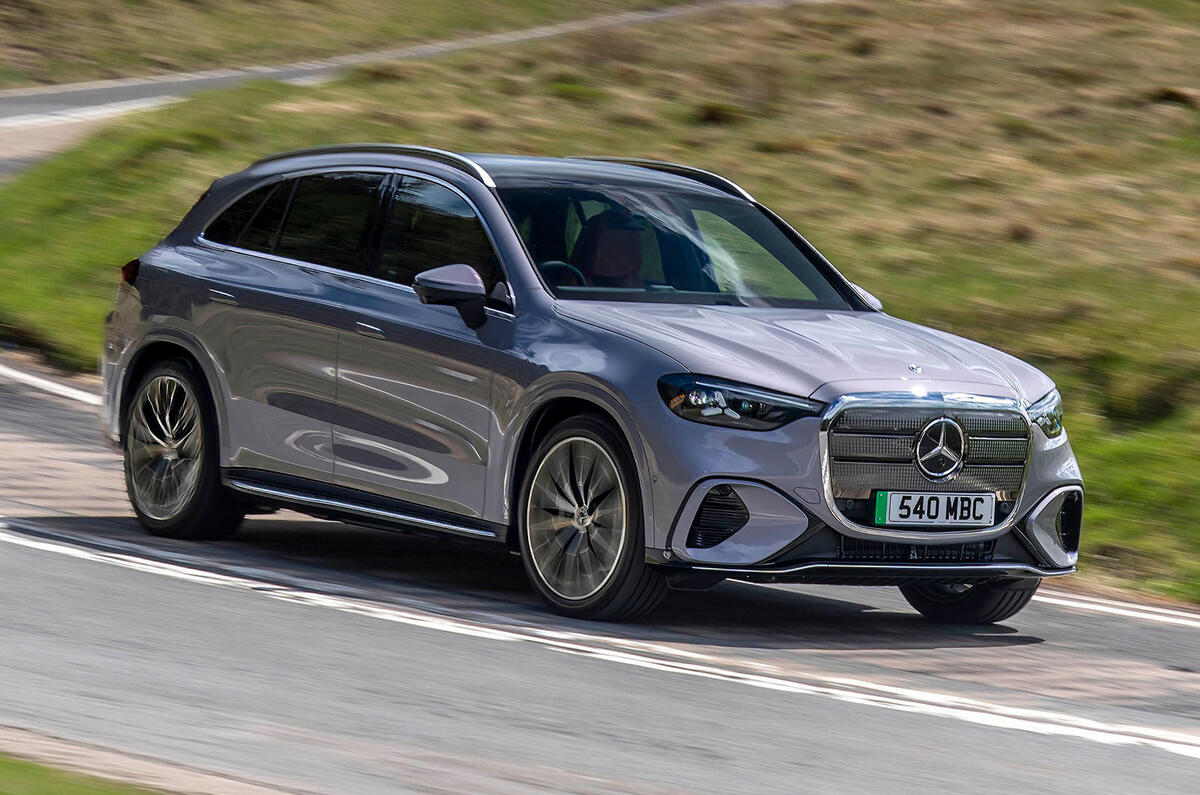
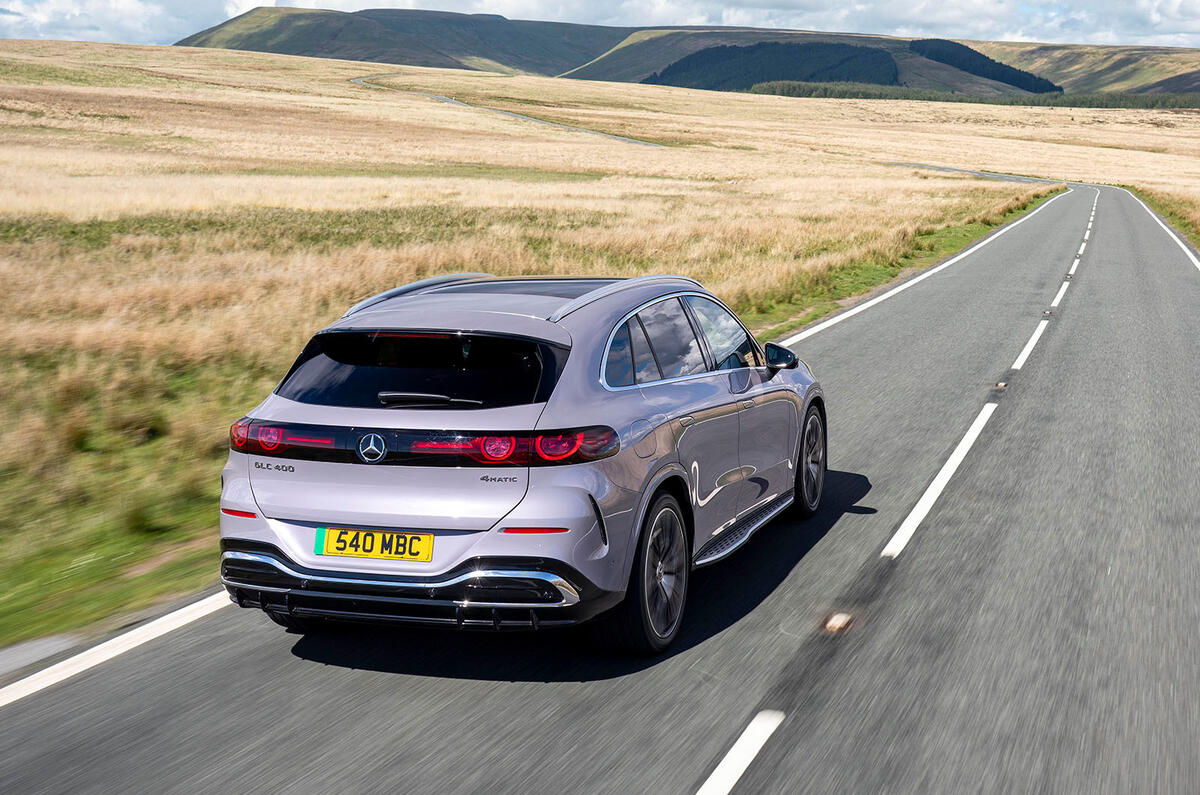
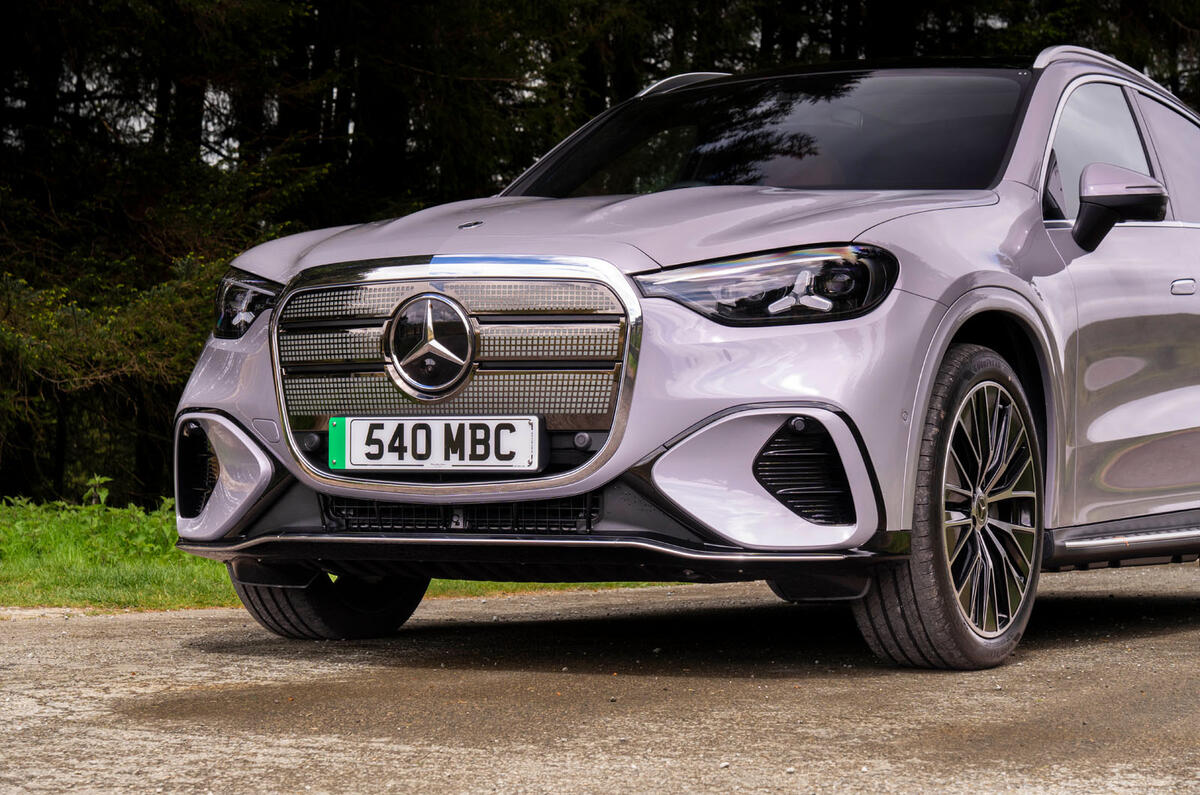
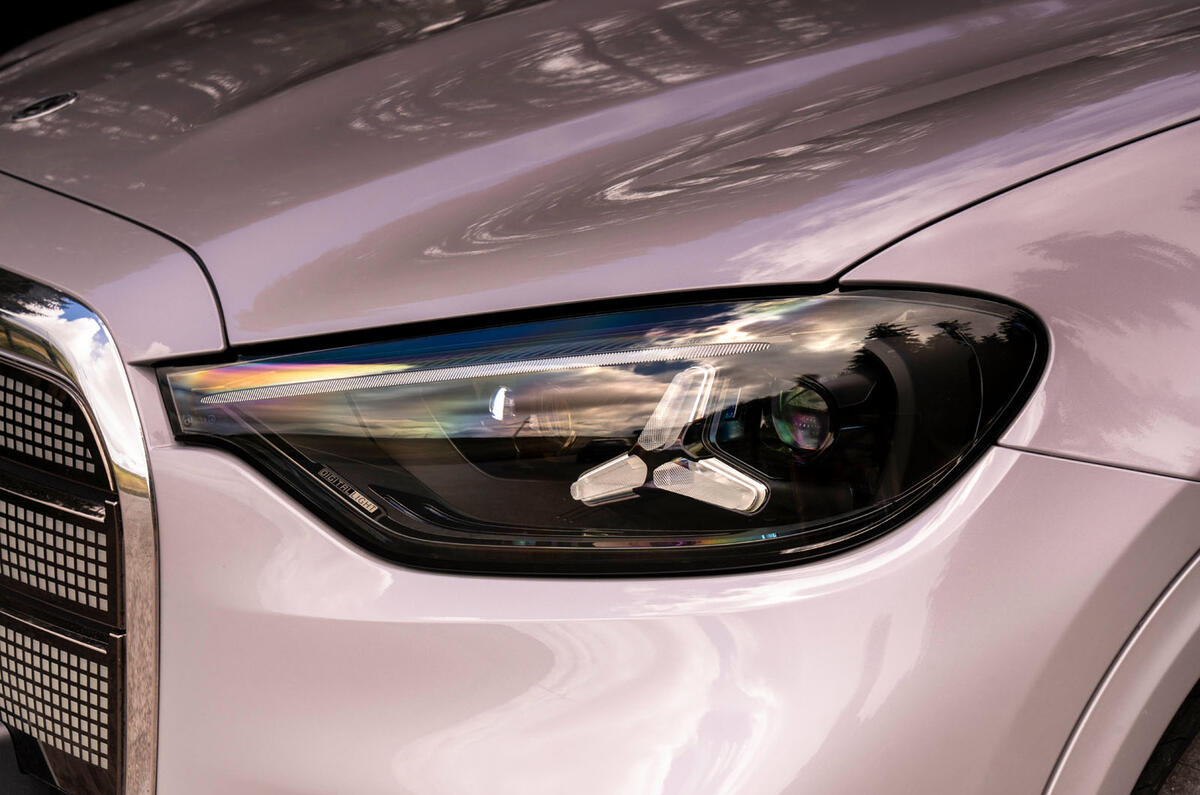
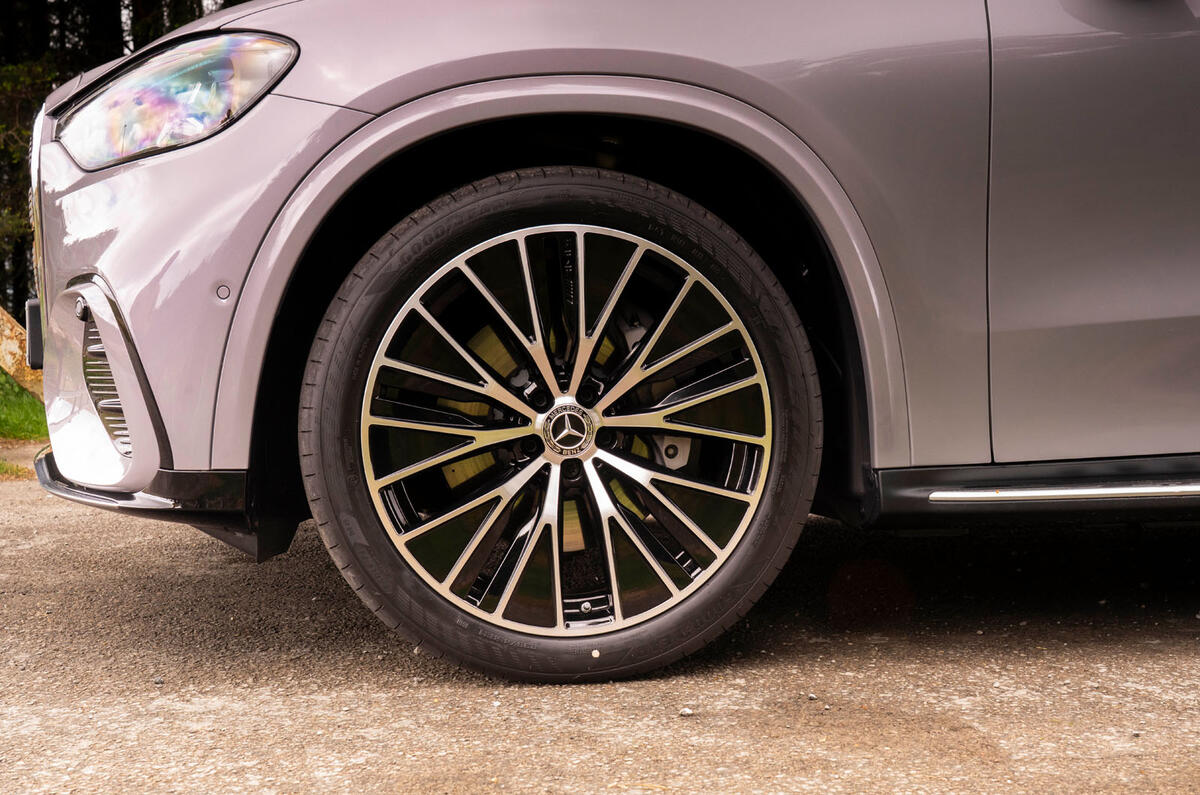
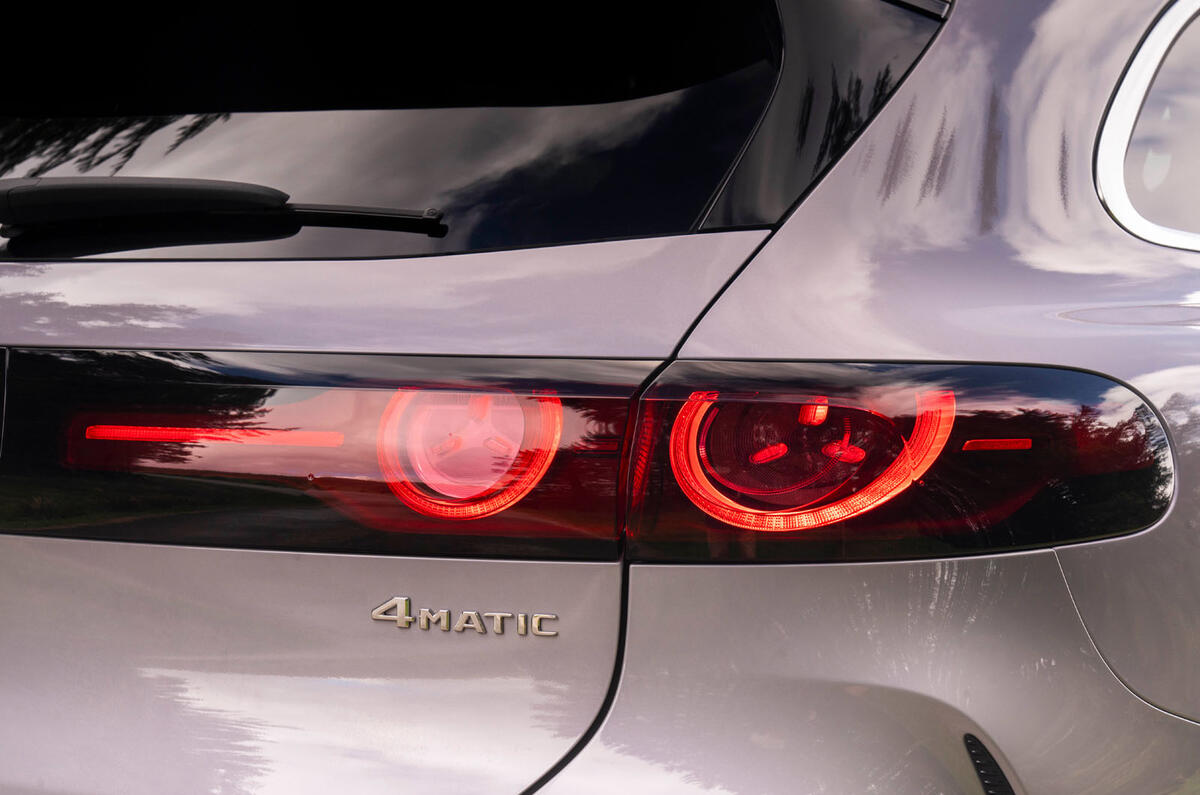
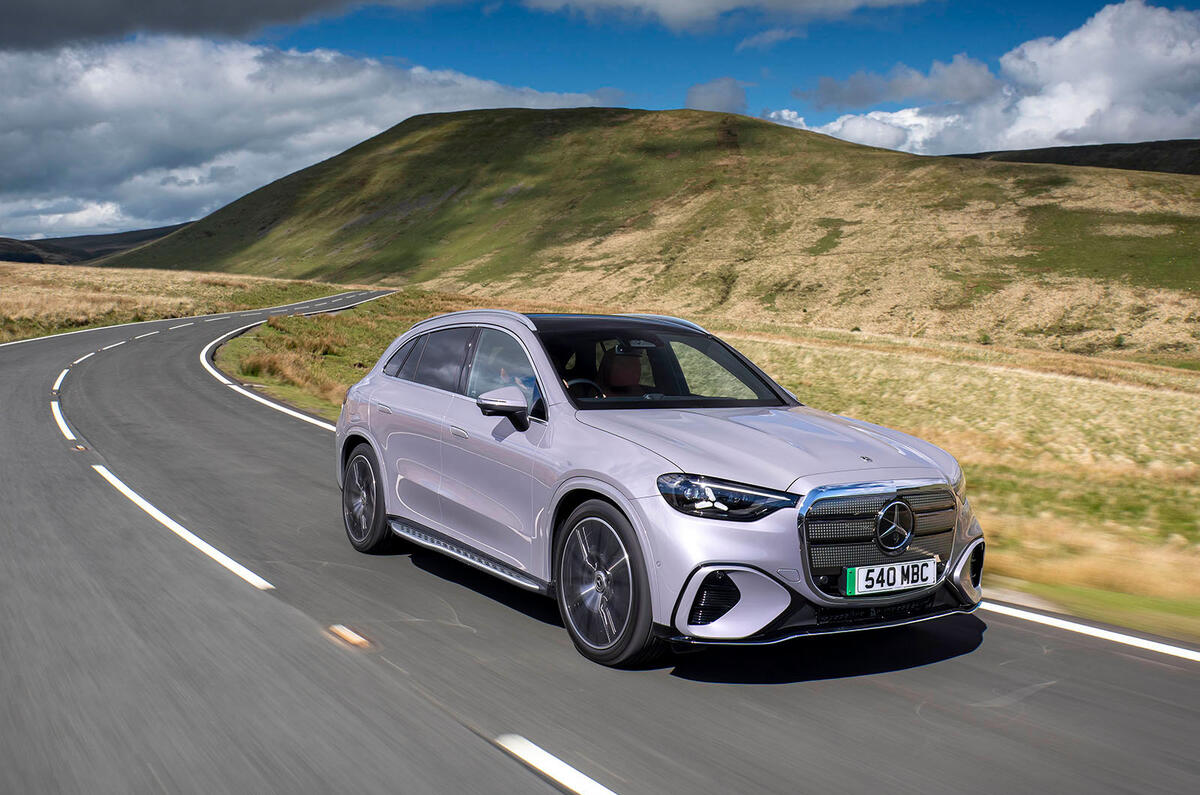
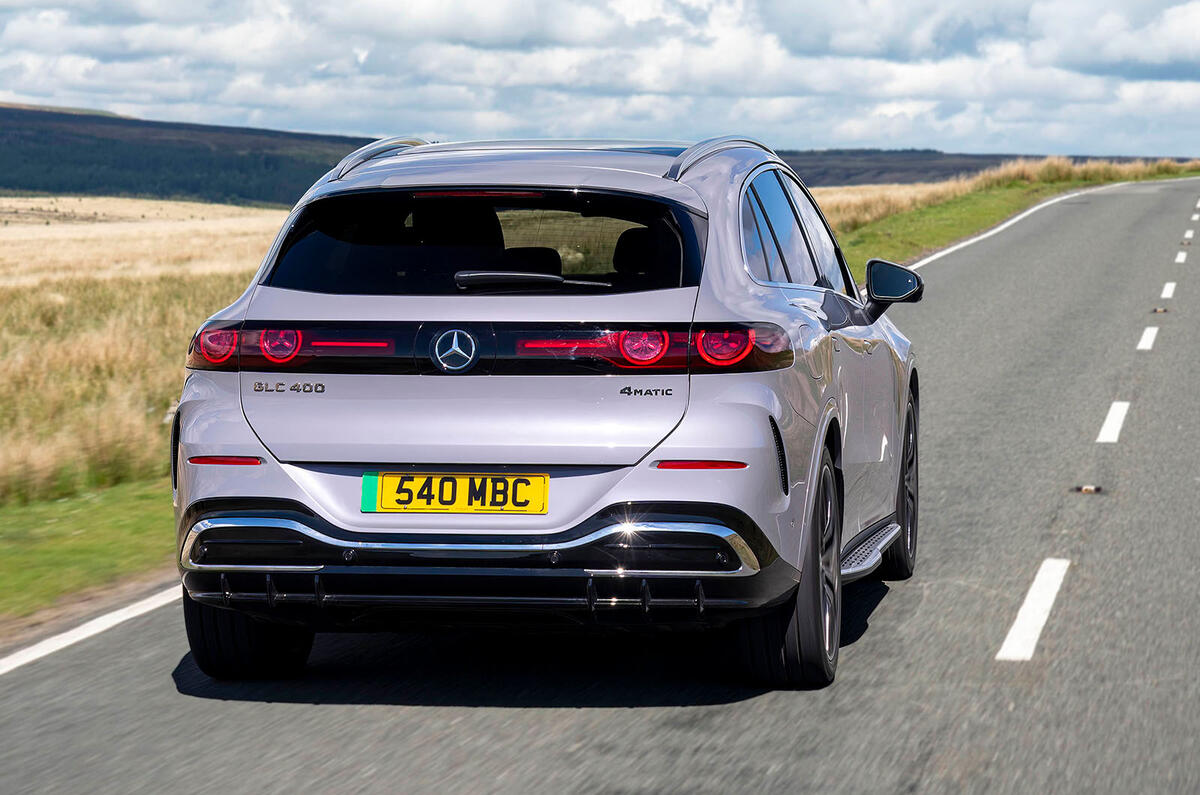
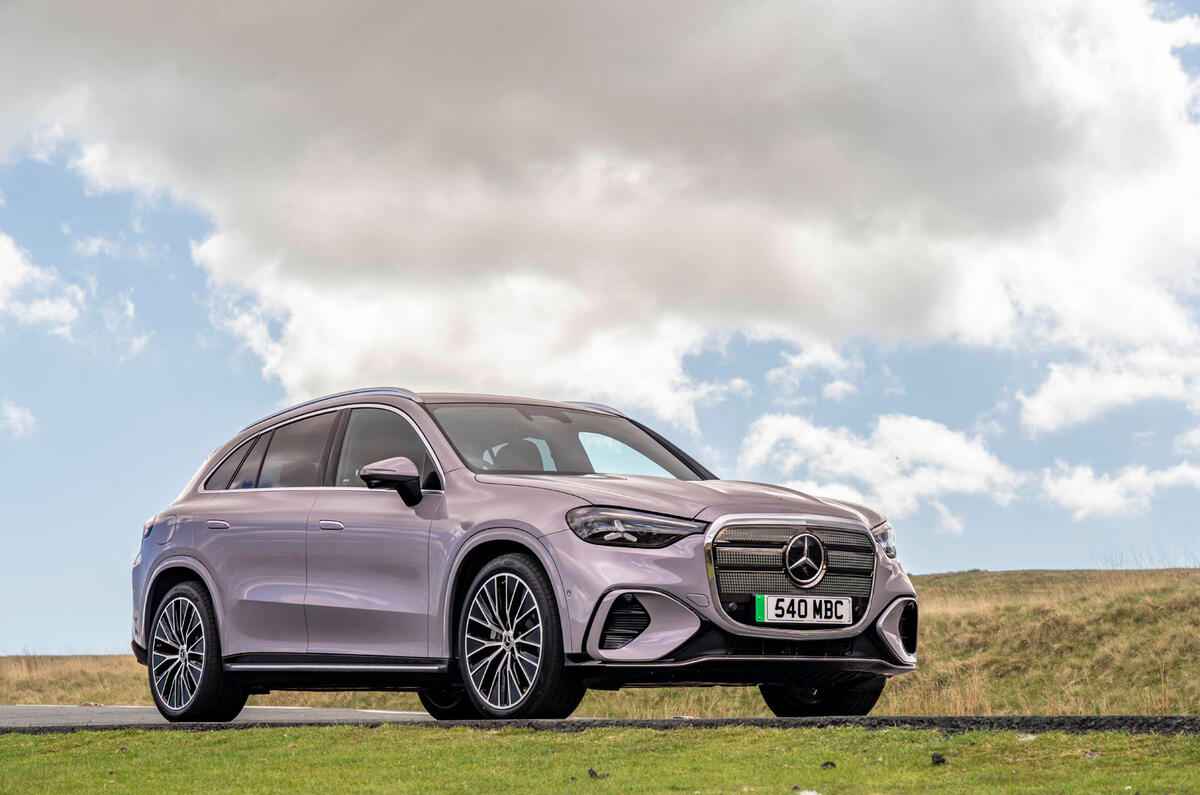
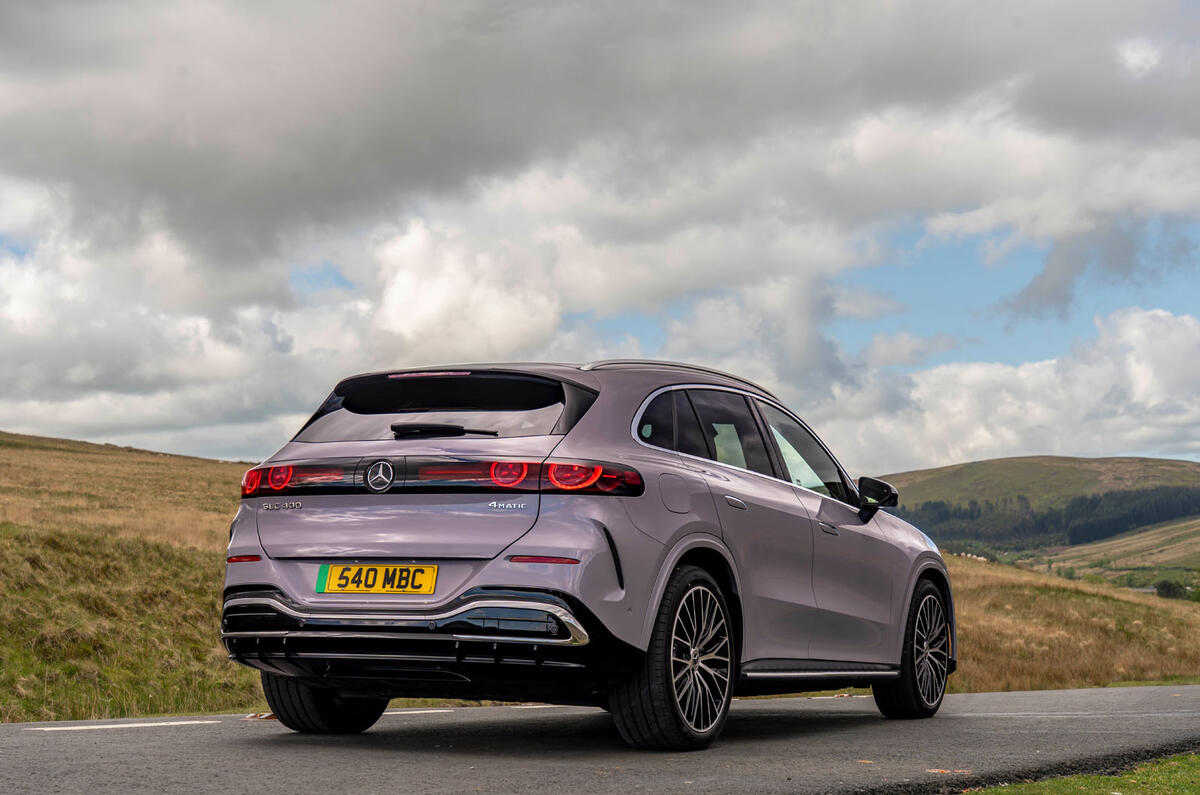
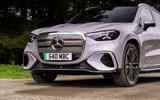
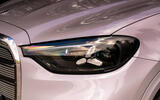
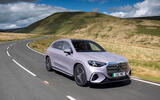
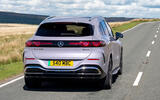
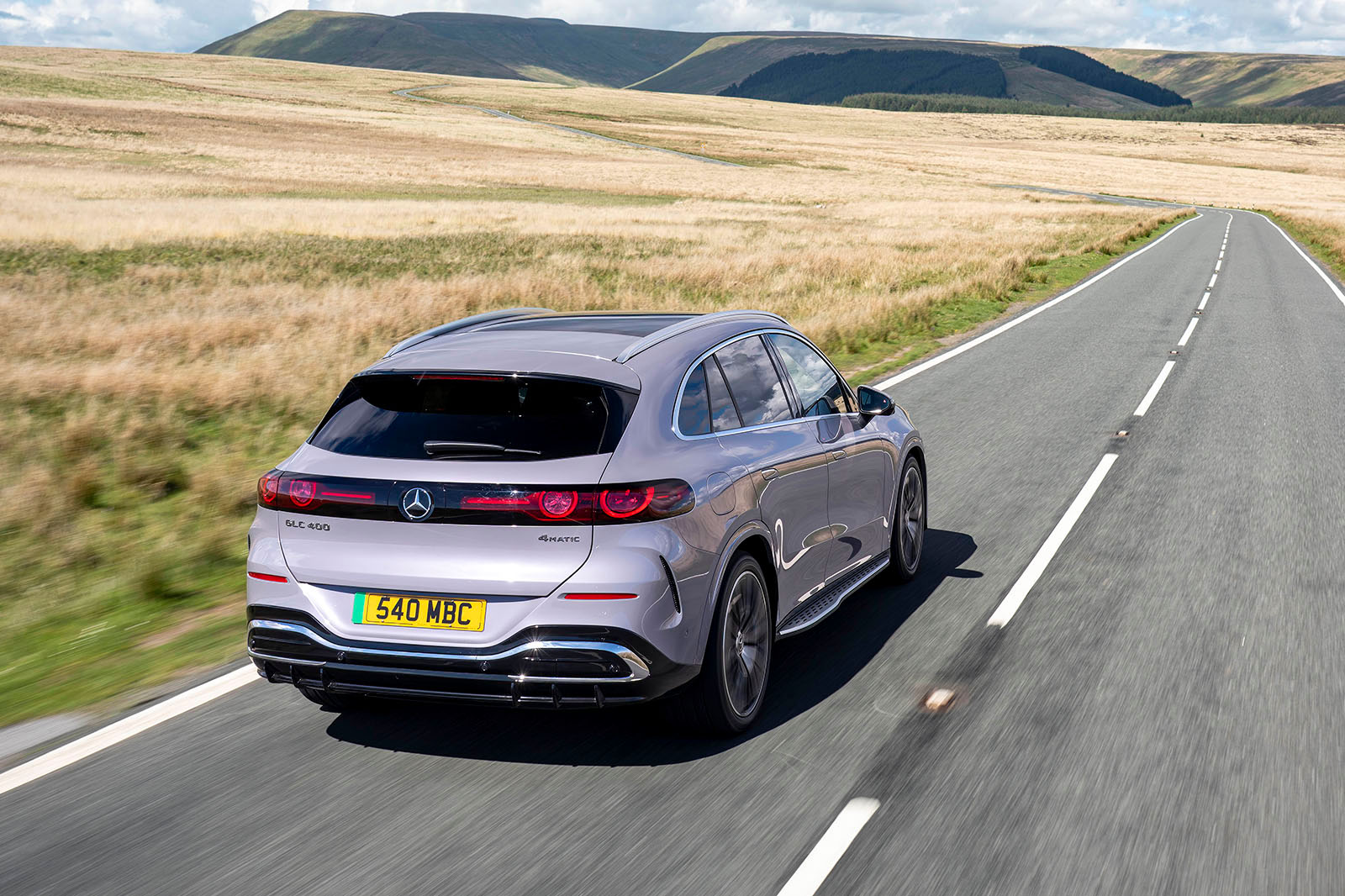
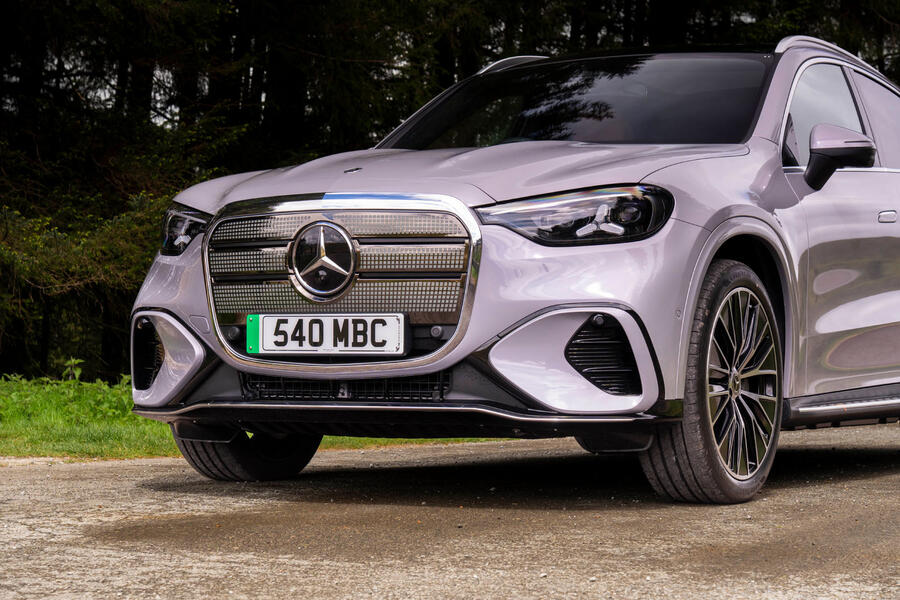
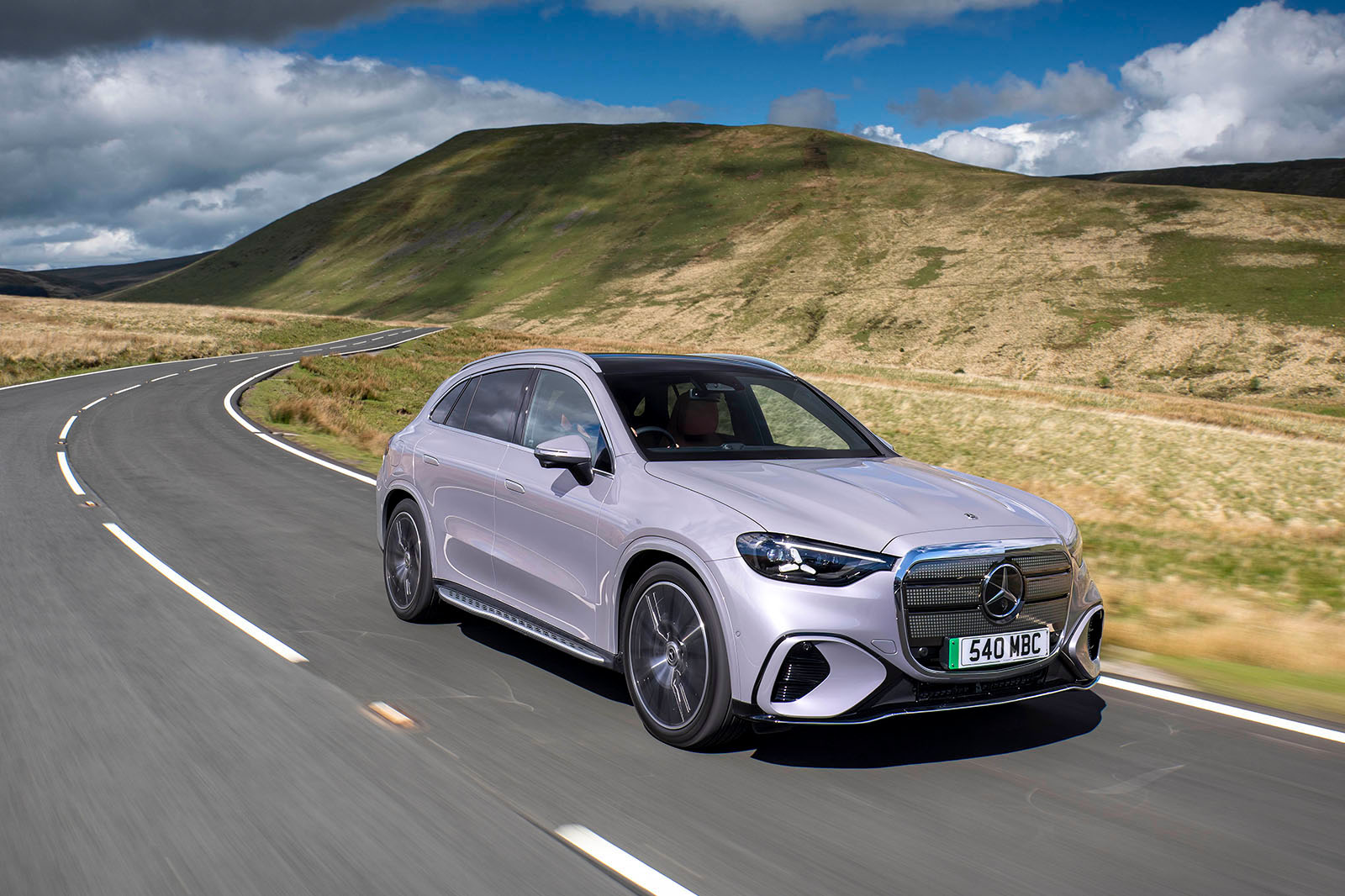
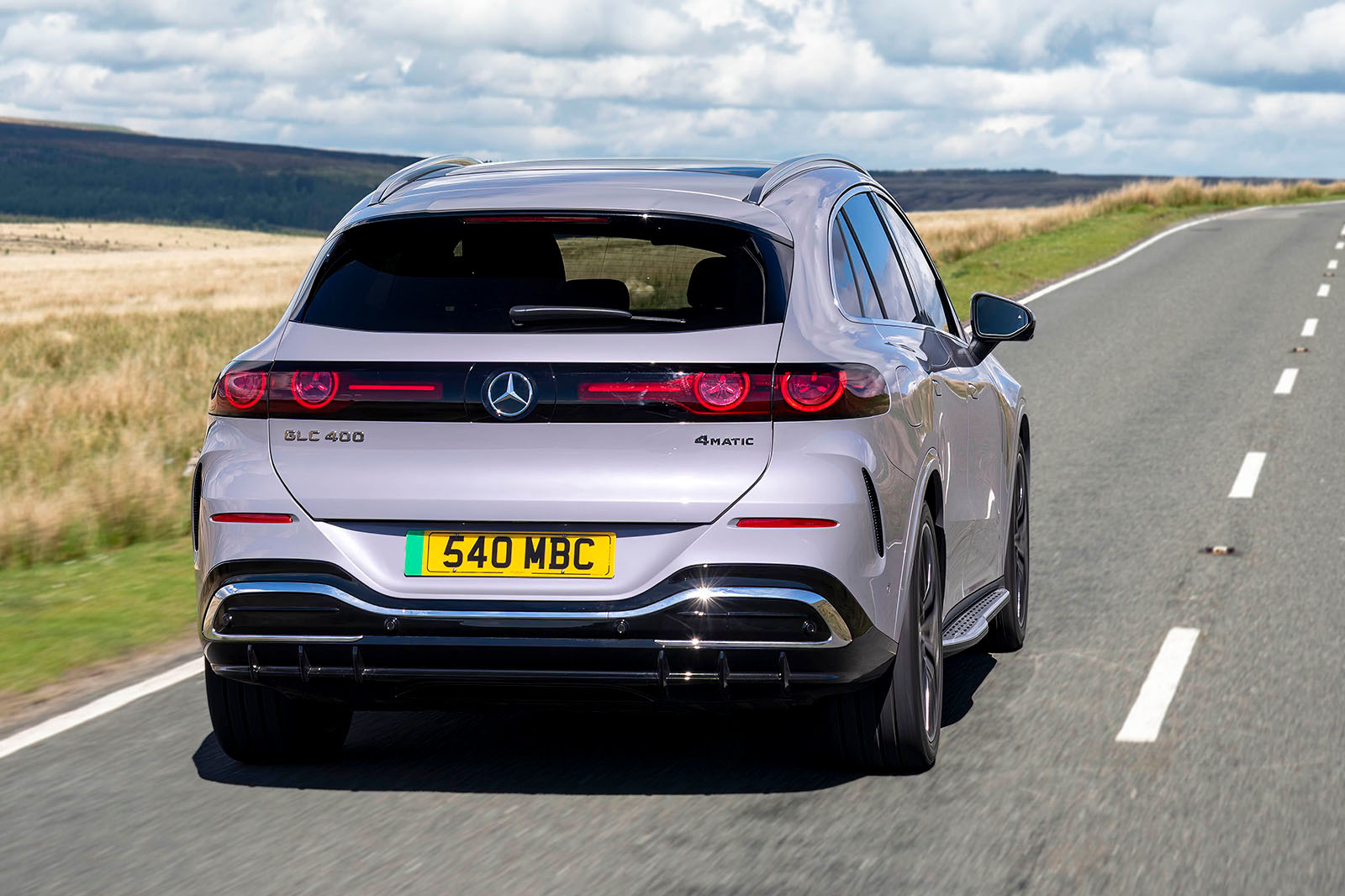
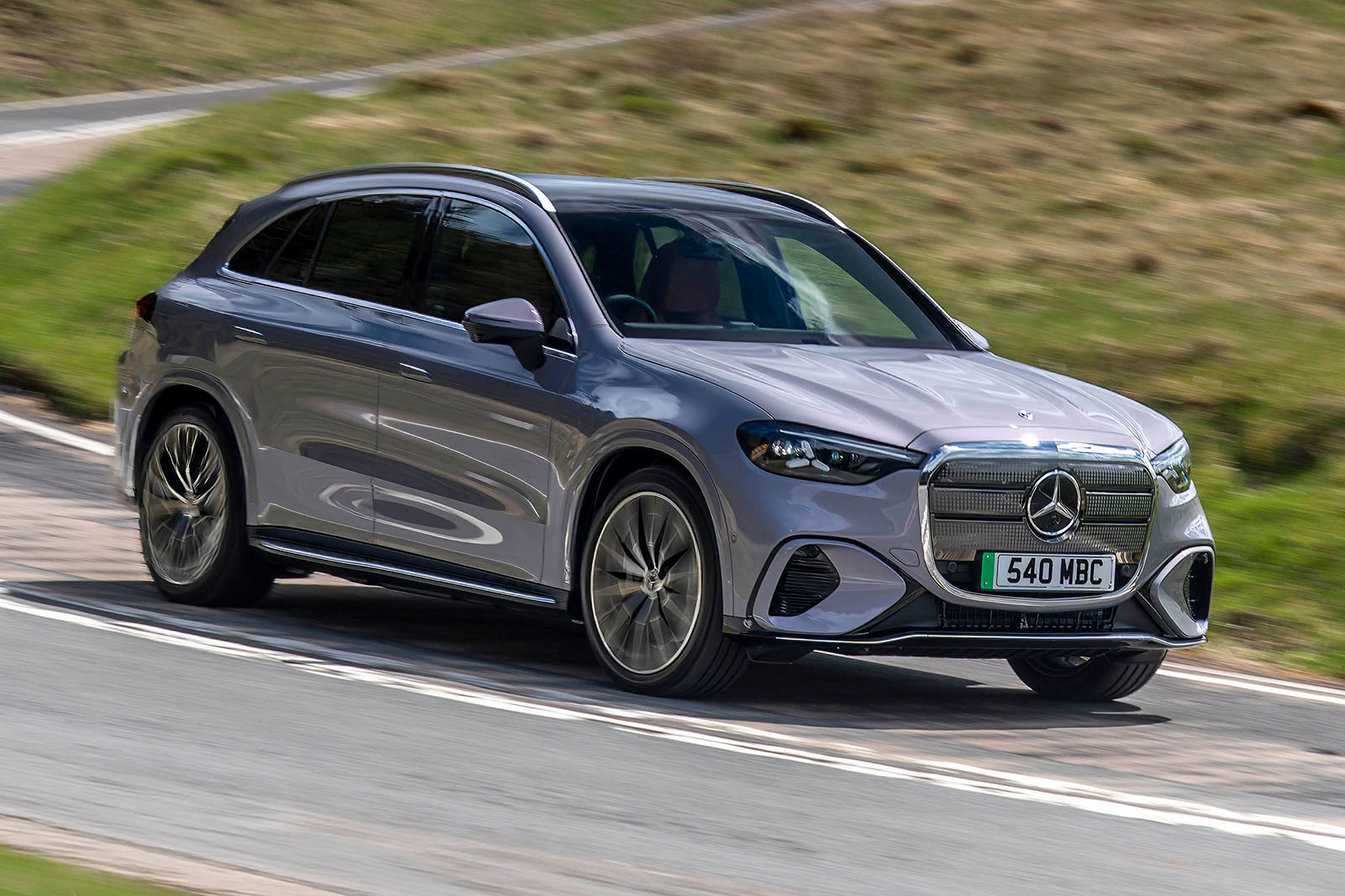
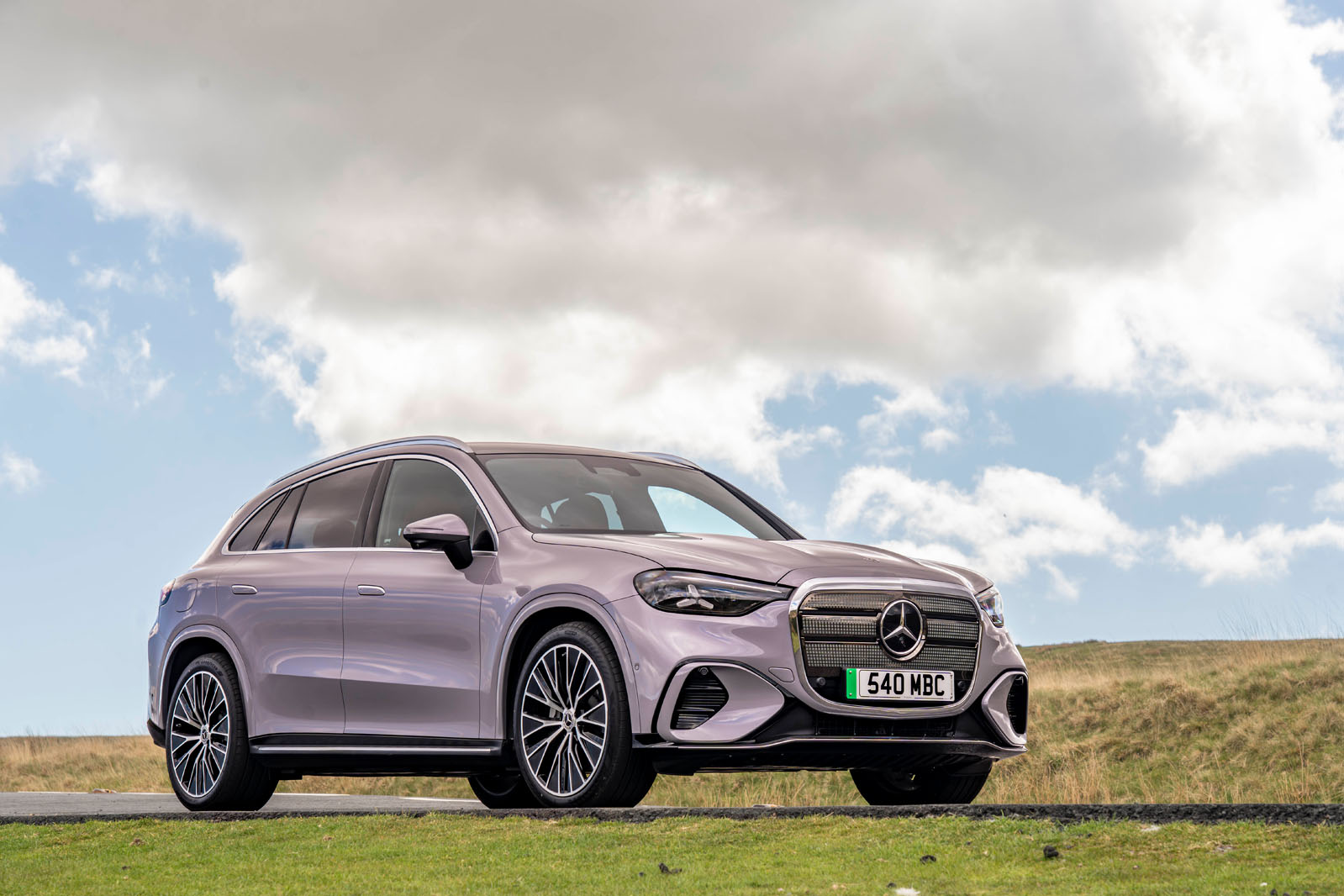
It may be all change underneath, but immediately it’s plain to see the fruits of Stuttgart’s endeavour to more obviously tie its electric cars and ICE cars together visually, with this bold new era-defining EV flagbearer looking broadly similar to the ICE GLC that has been on sale for a couple of years. Except, of course, for that unmissable new-shape grille. 

The GLC Electric has been launched in 400 4Matic form, as driven here, with a pair of permanent-magnet synchronous motors combining for 483bhp and 590lb ft of torque. The front motor chimes in under load but disconnects when not needed and both draw power from a 94kWh battery.

That's currently rated for a maximum range 406 miles, but a more efficient single-motor version is expected soon, nudging that range closer to the hallowed 500-mile mark.

Feistier versions are tipped to include a full-fat AMG with three motors pumping out in excess of 900bhp - although quite why you would need that much power in a medium-sized, premium family SUV is anybody's guess.

All versions get 800V electricals and so the ability to charge at up to 330kW (the fastest you can realistically charge in the UK anyway). And following the furore that met Mercedes' decision to offer one as an option on the CLA Electric, the GLC Electric is fitted as standard with a 400V inverter so as to remain compatible with the majority of our public chargers. 

The GLC Electric will be offered in the UK initially in five trims, ranging from Sport at just over £60k to top-line AMG Line Premium Plus at £70k - broadly matching the pricing structures of the iX3, EX60 and Audi Q6 E-tron and representing a premium of around £6k compared with equivalent ICE GLCs.

INTERIOR

8
Mercedes GLC400 review 2026 048

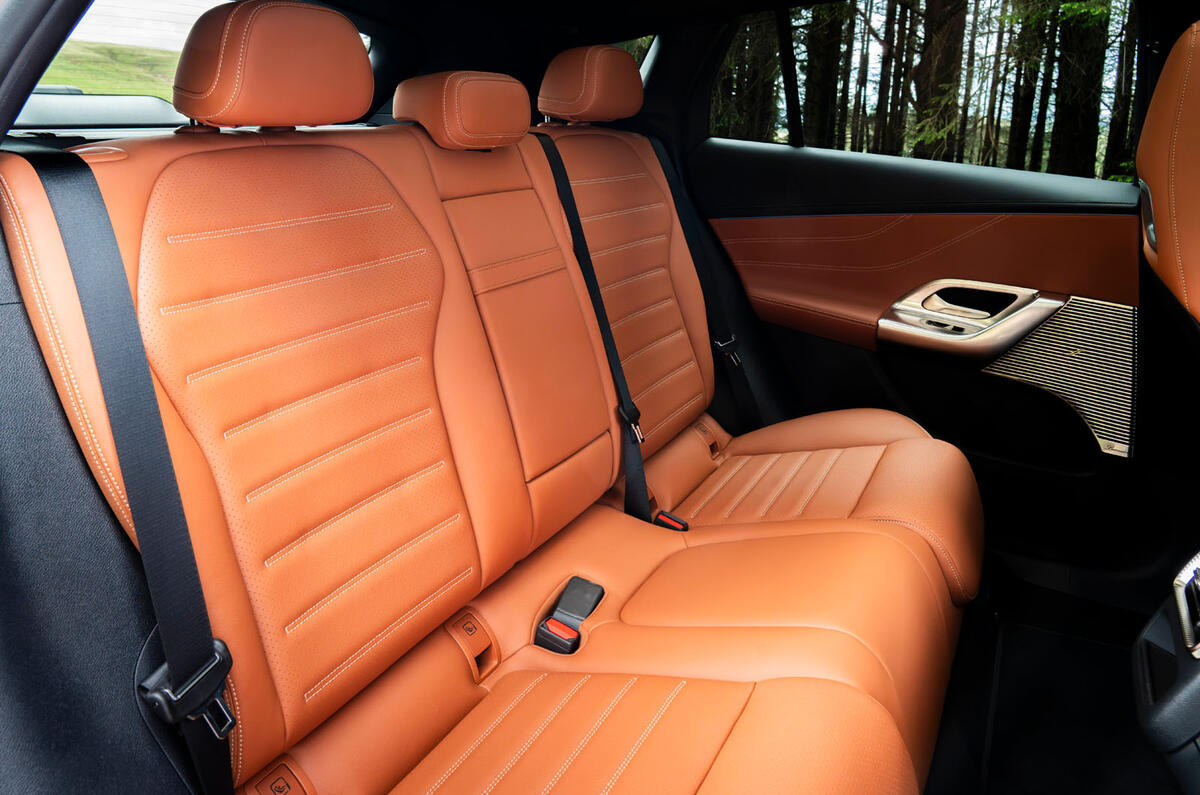
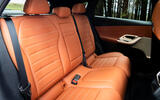
The GLC Electric may not look outrageously different to the ICE GLC, but it is a substantially bigger car, at more than 100mm longer overall and with a useful 84mm of extra metal between the axles for a tangible boost in leg room in both rows.

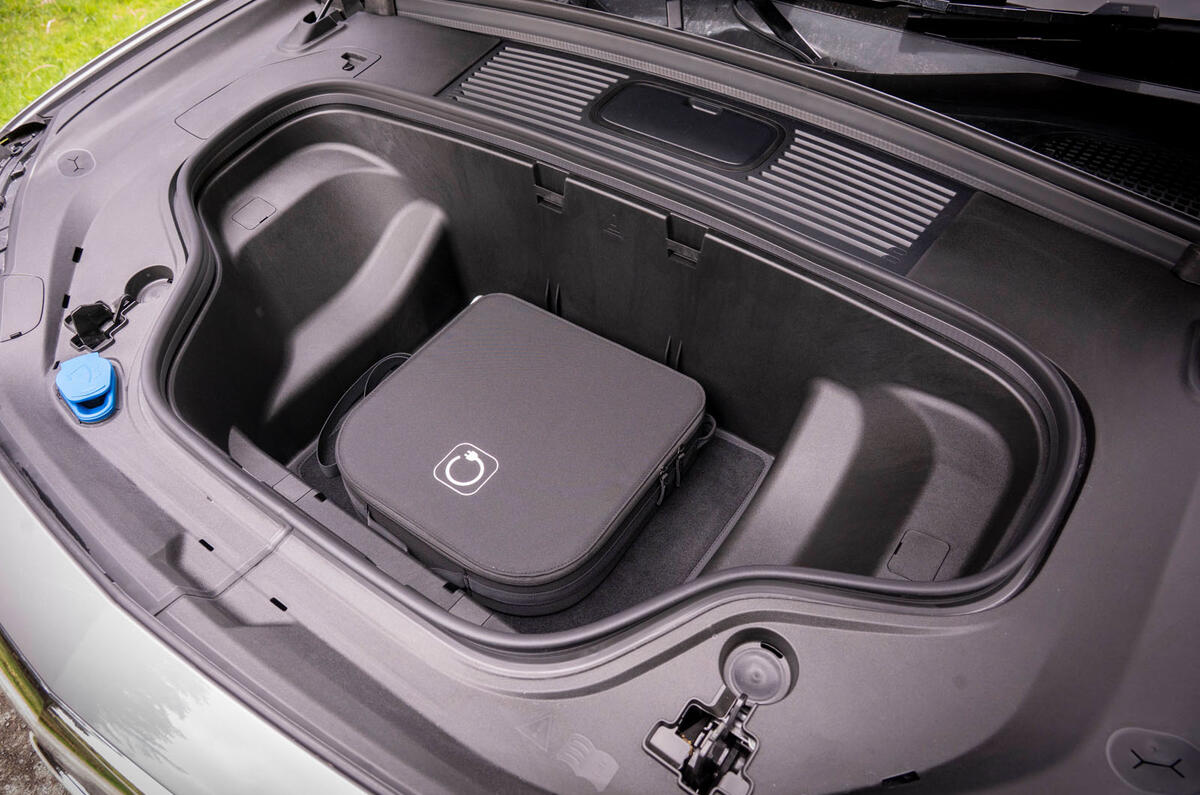
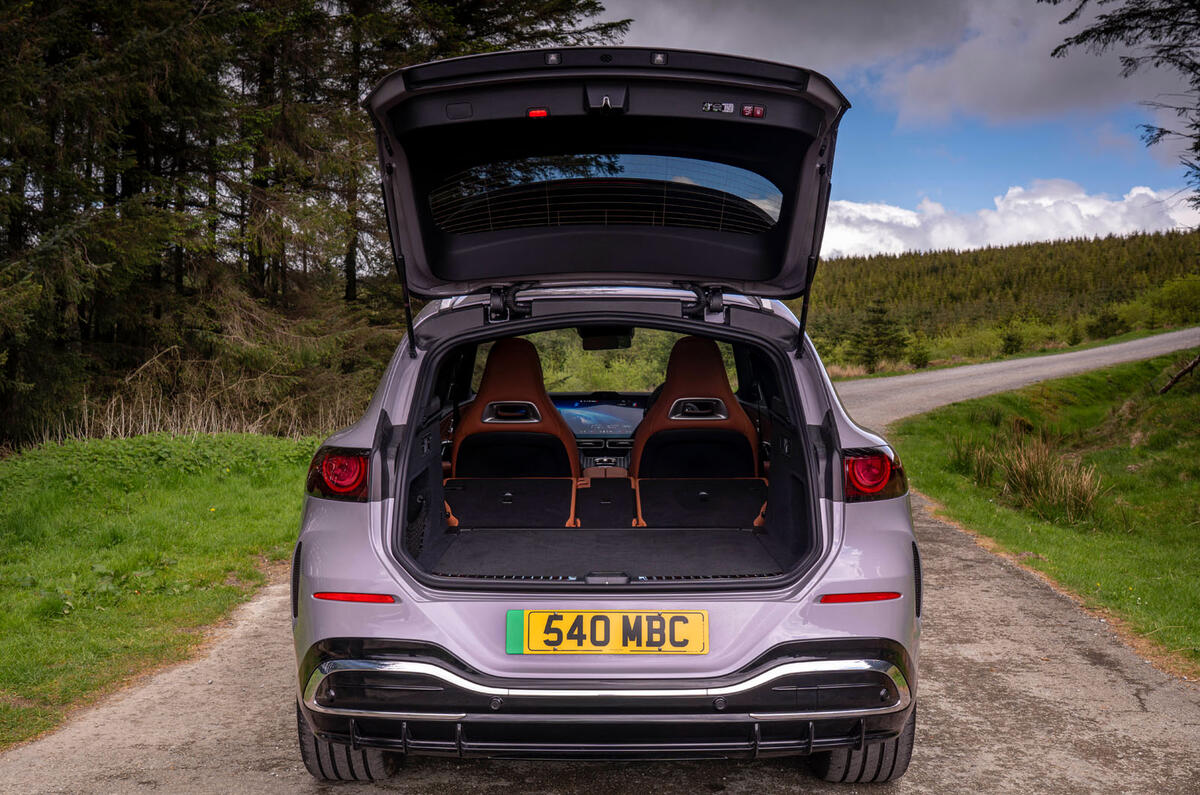
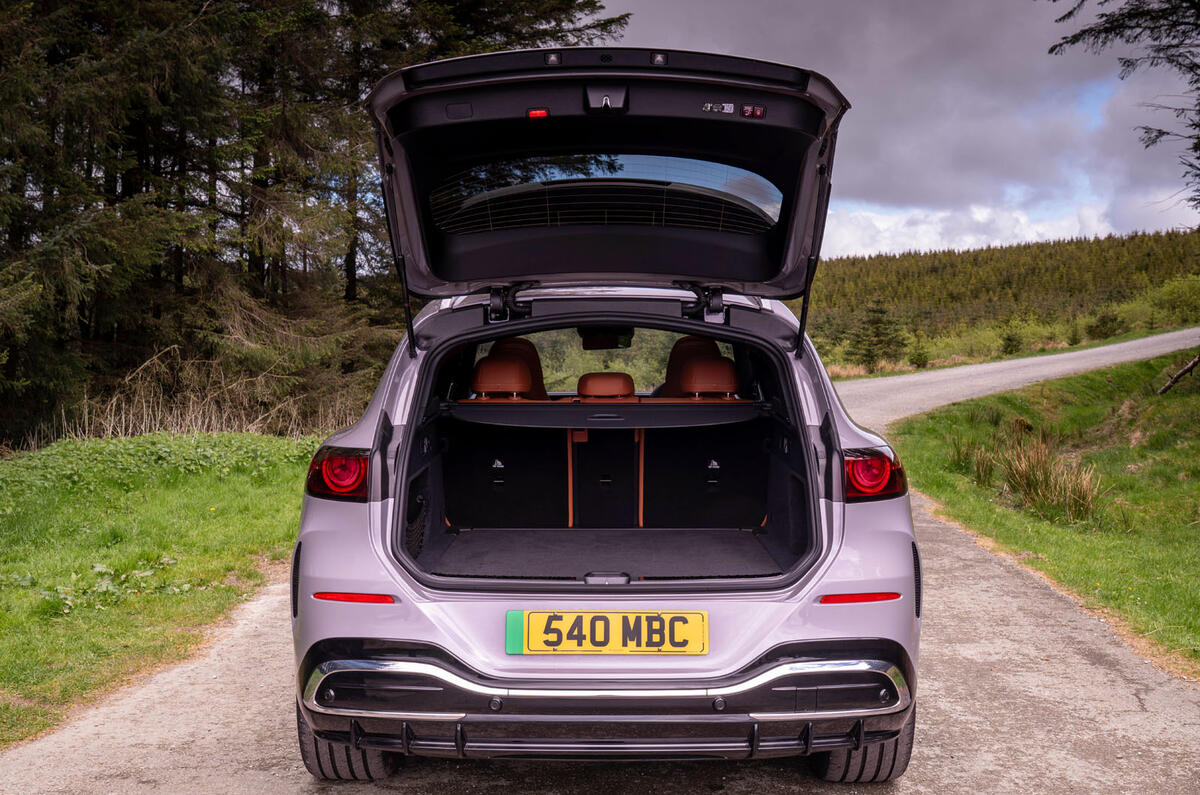
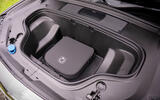
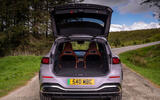
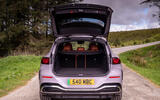
Head room is slightly better, too, and while the boot is slightly smaller, at 520 litres, it's supplemented by healthy 128-litre frunk that will take the charging cables and all your family's muddy boots. 

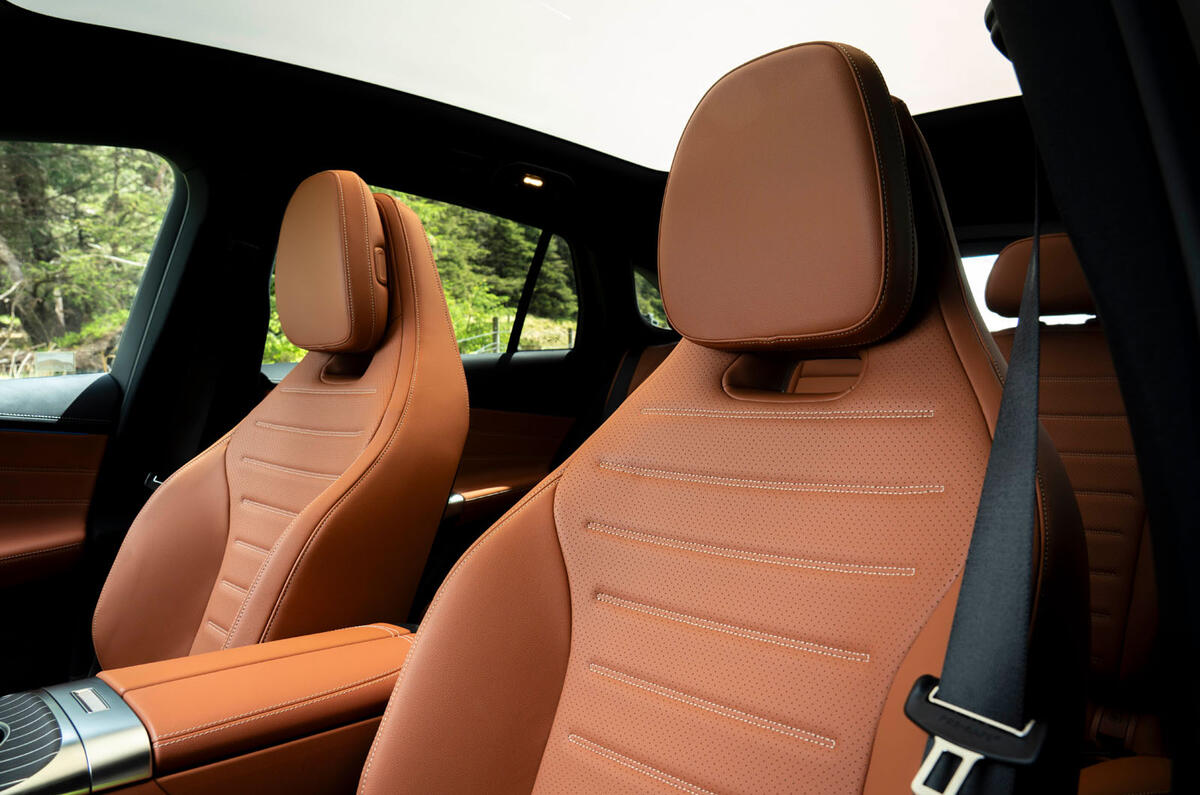
It feels pretty massive inside: bright, airy (partly courtesy of the standard panoramic sunroof, which can be made heavily tinted or even patterned, thanks to a charged liquid cystal layer) and far better packaged than the old EQC that it indirectly replaces - testament to the benefits of using an EV-specific platform rather than an adapted ICE car platform.
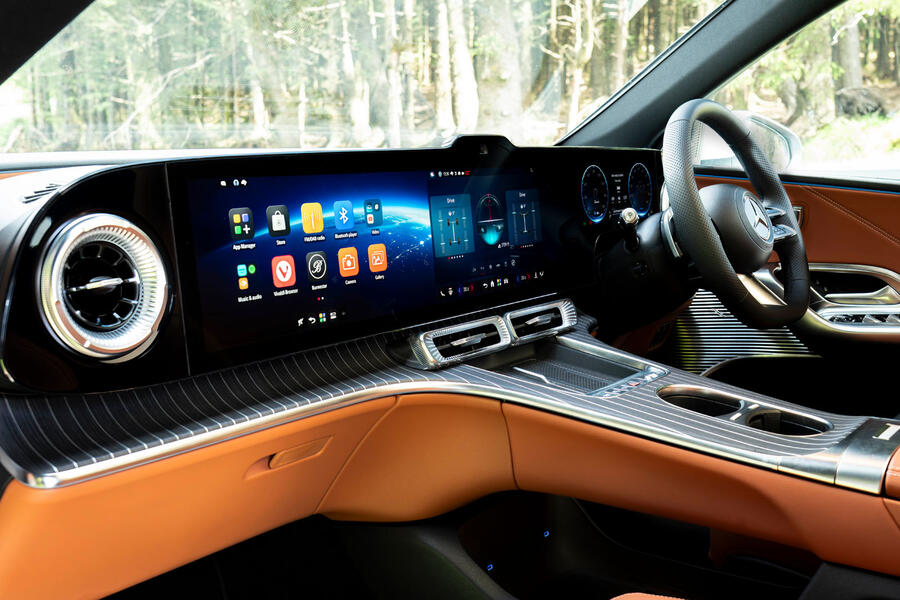
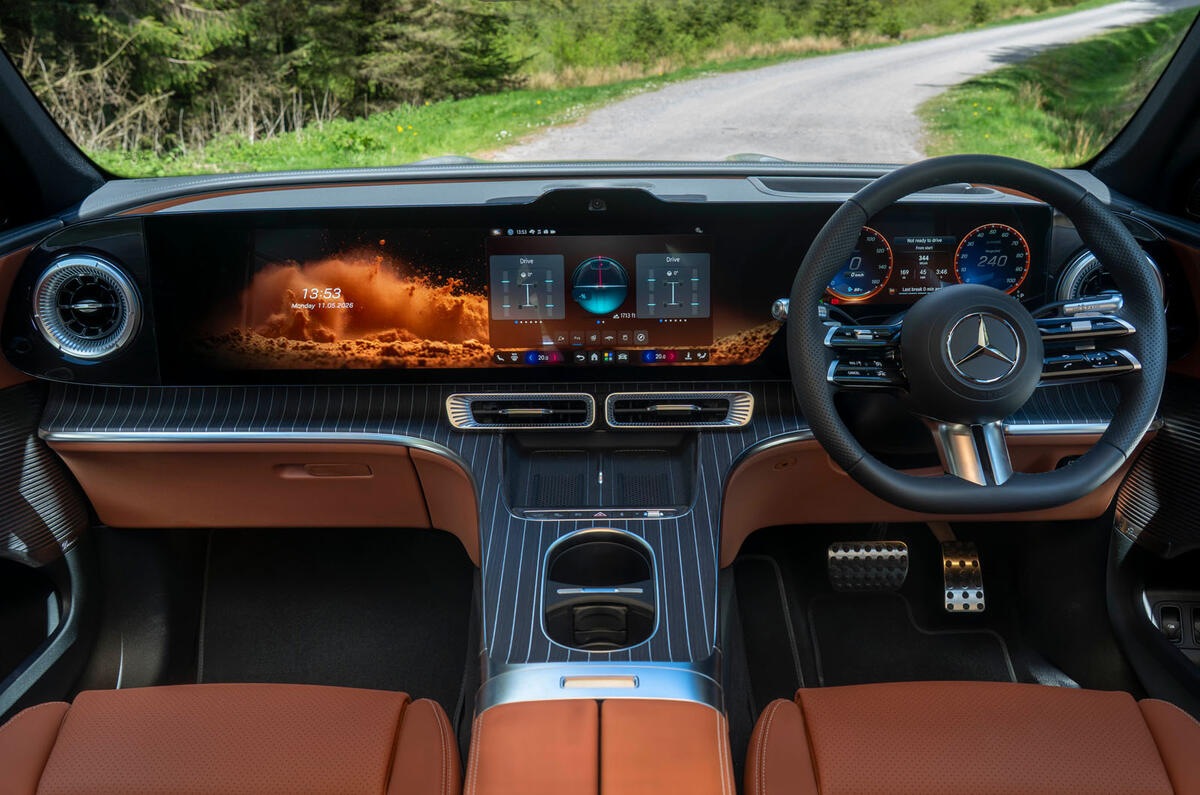
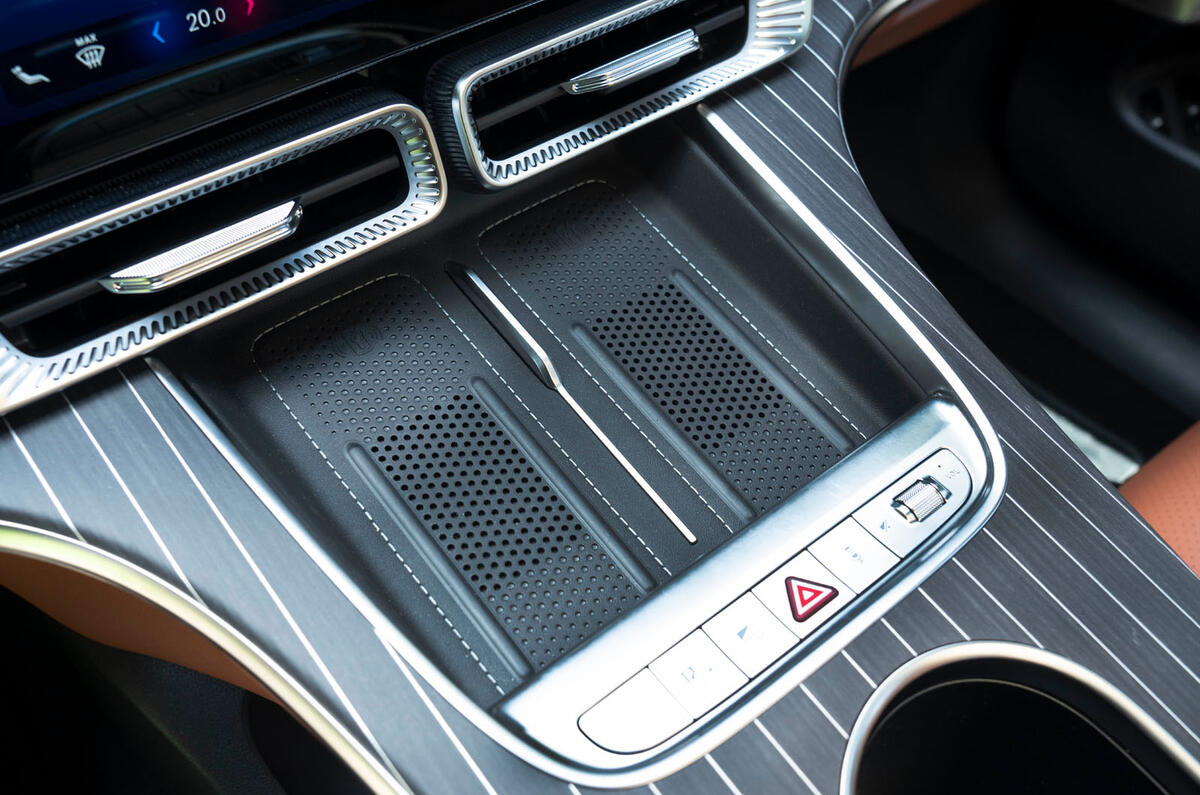
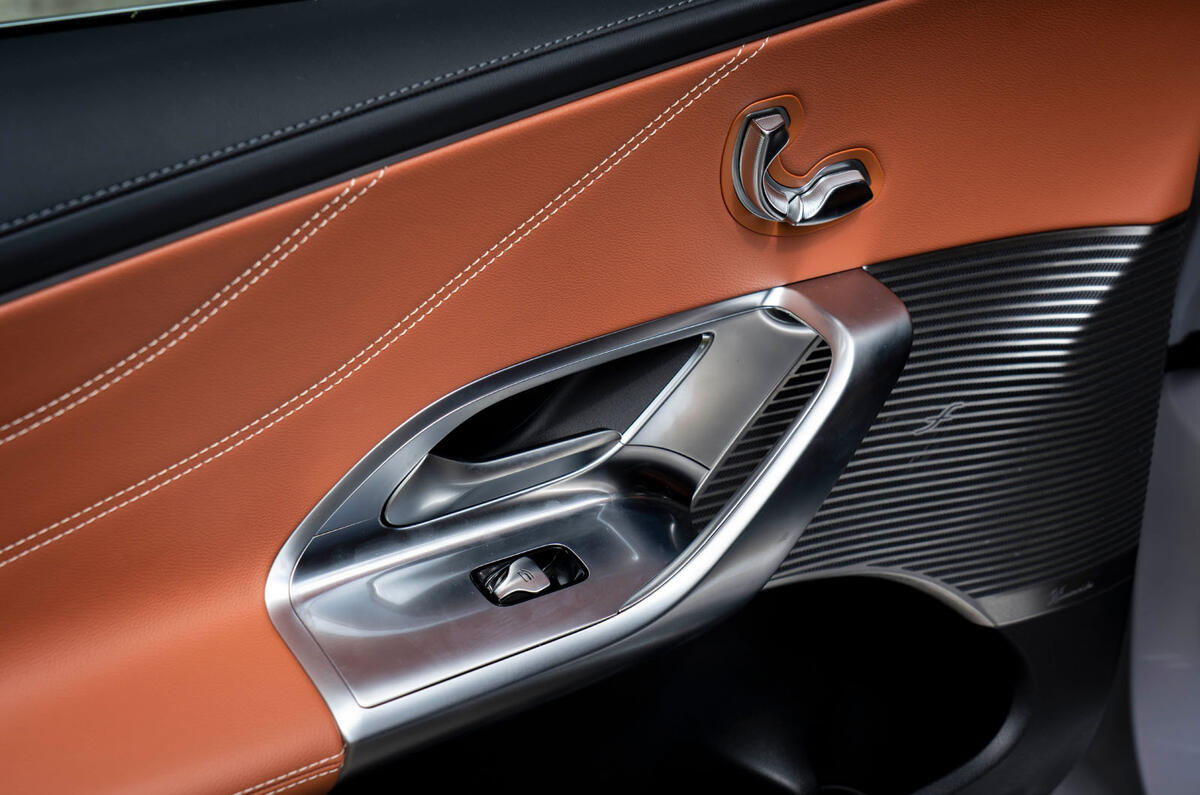
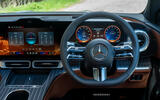
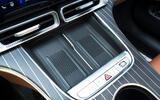
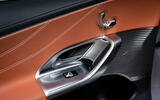
It’s also a seriously luxurious environment in here: material quality is extremely impressive, the seats are excellent, the voice control works like a dream (“Hey, Mercedes, open my window and turn off the speed limit warning bong” etc). It's good thing too, because there’s not exactly a surfeit of physical controls - although those that do feature have a solid feel to them, clicking and clacking with that reassuring vibe of quality craftsmanship.

The entire cabin can be also be trimmed in 100% vegan materials at no exta cost, all of which feel impressively plush. And when Mercedes says the entire interior is finished this way it means it, right down to the stitching. Obviously, there are more cow-intensive options for those that are so inclined, but I challenge you see or feel the difference.

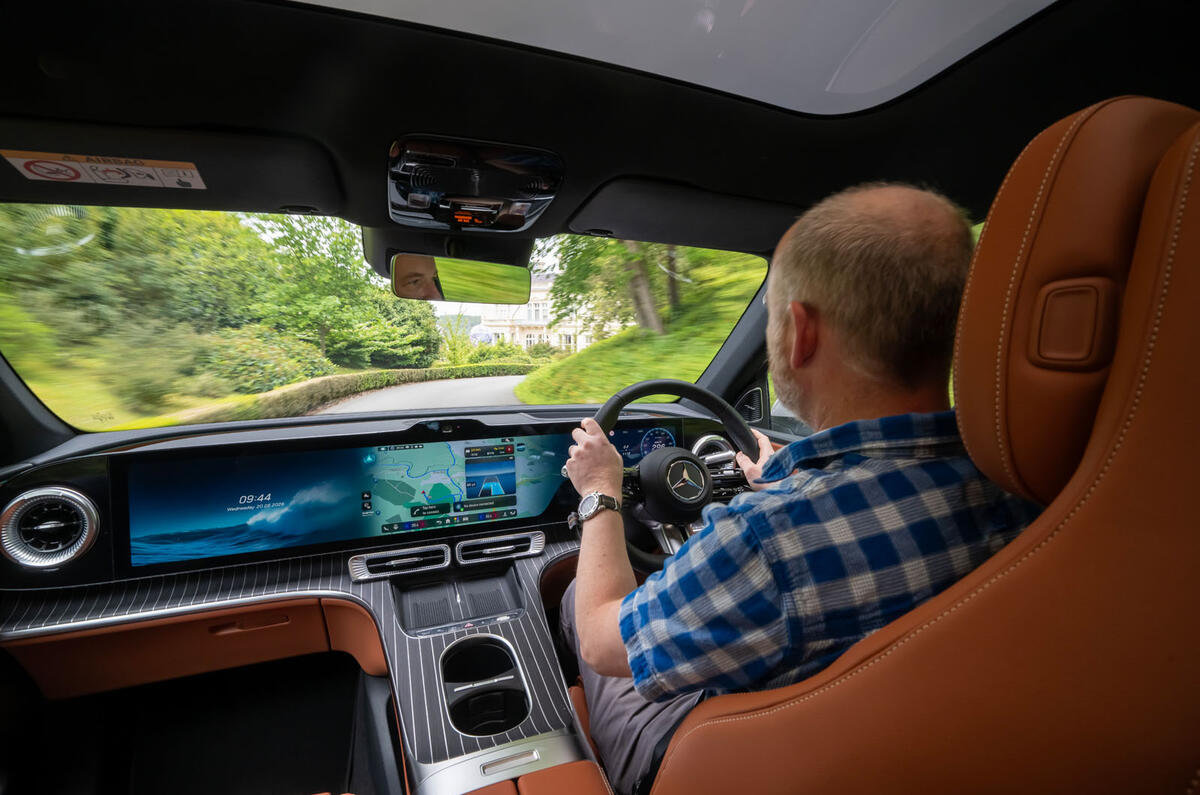
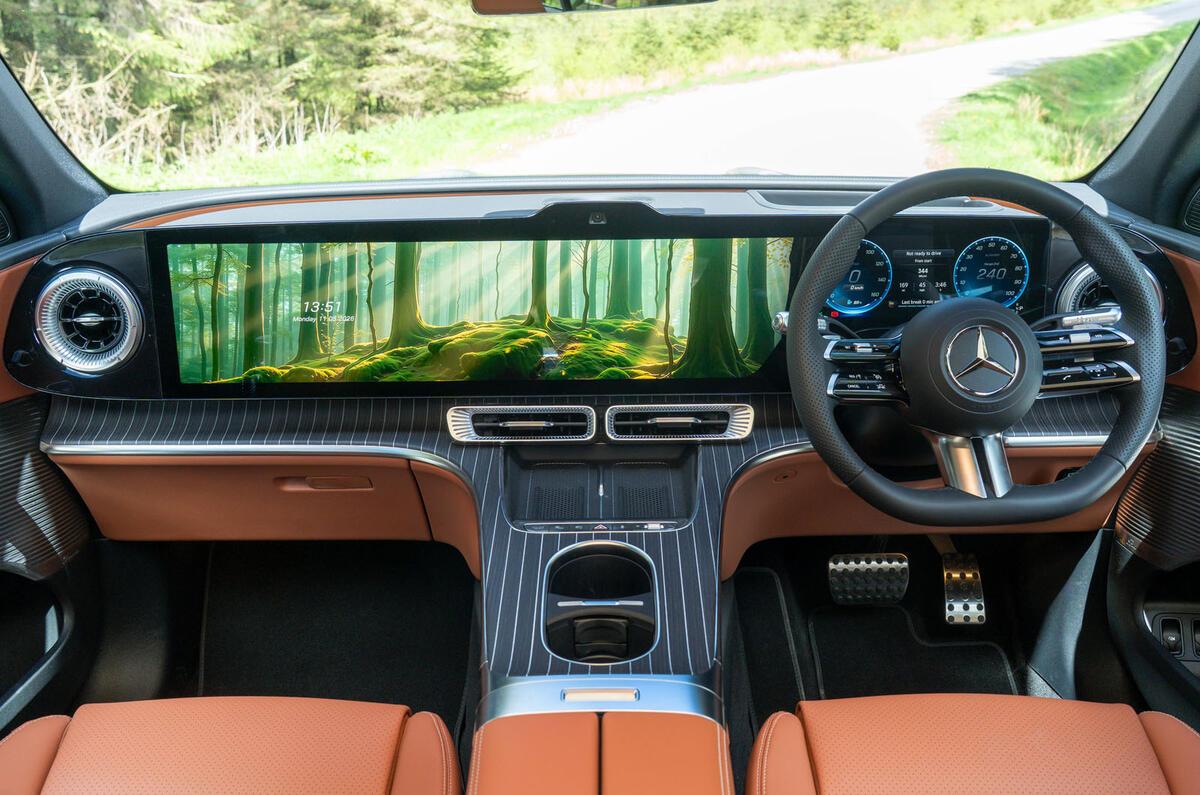
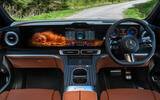
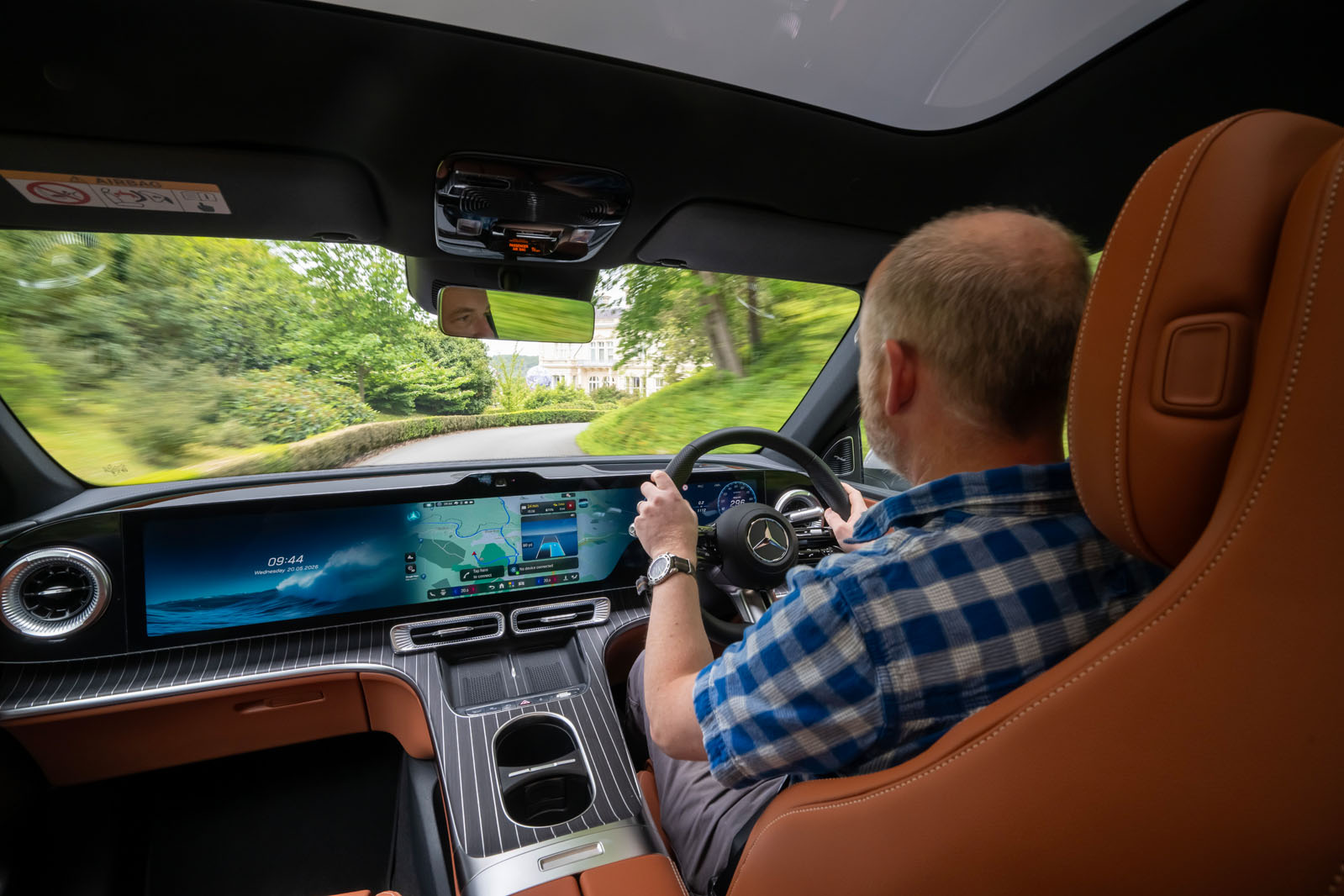
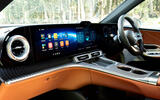
But there’s only so long you can talk about the interior before you have to address the inelegance in the room. Even the iX3’s whopping 18in central display, strikingly parallelogramic as it is, feels subtle and unobtrusive by comparison to the GLC’s full-width digital interface. 

This is simply too much screen. What little you gain in real-world functionality, you more than lose in visual appeal: it’s no more than a massive slab of fingerprint-smeared black plastic when turned off. And if you don’t spec the passenger touchscreen, you essentially just get a digital photoframe, with the option to display one of your phone pics in the car. 

Even the entry-level models get a full width display, although in this case it's three separate screens, with the one in front of the passenger proving to be little more than a digital picture frame.

Less digitally dependent alternatives in this space do a better job of cultivating a sense of occasion through interesting dashboard design flourishes and luxurious materials.

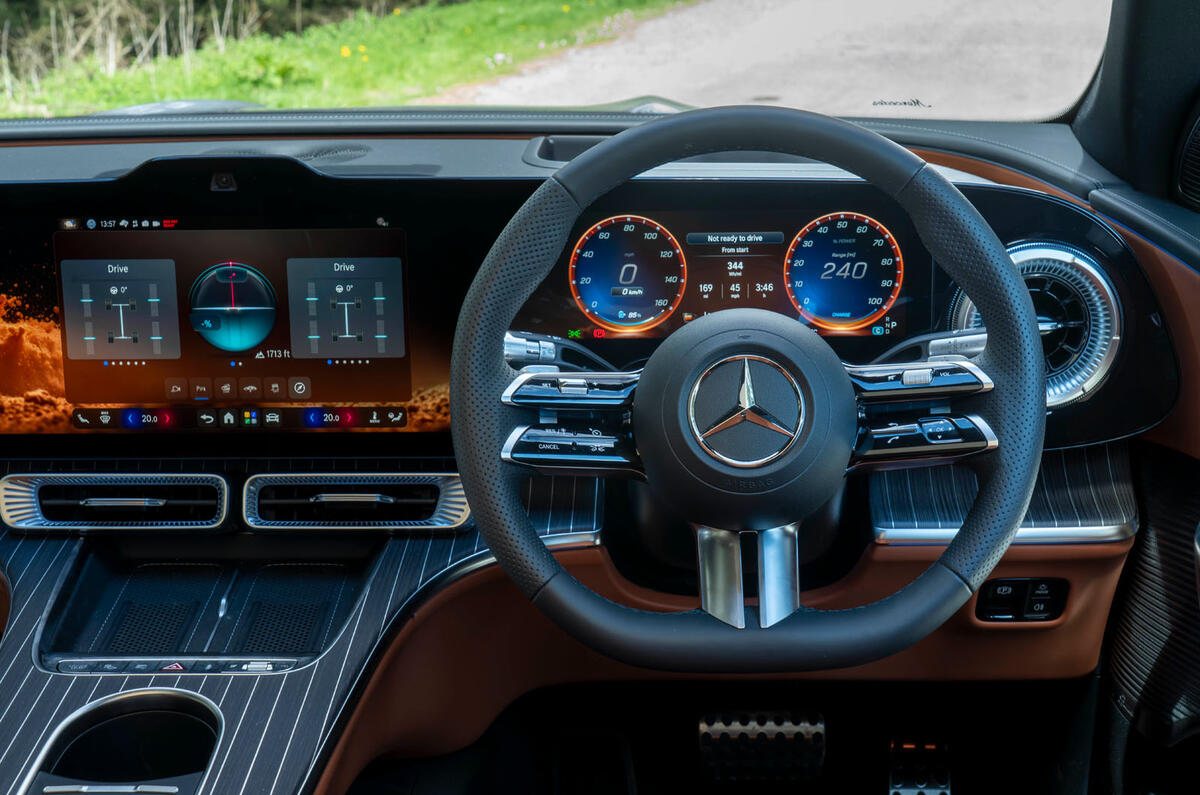
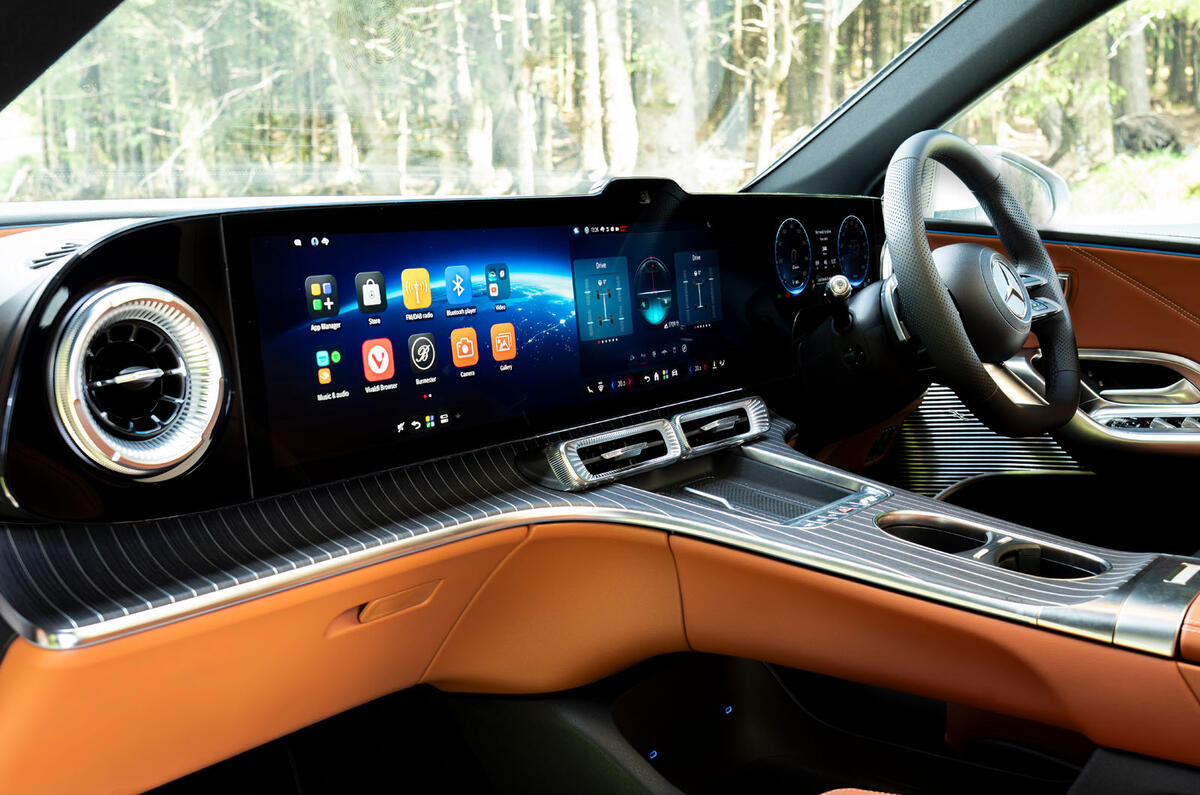
It can’t half do a lot, though. Powered by a new internal operating system said to be capable of 254 trillion operations per second, this latest iteration of Mercedes’ MBUX is one of the quickest and most impressive infotainment systems I’ve yet used in a car. With a new ‘AI-driven superbrain’ powered partly by both Microsoft and Google, this feels like the sort of car you could conceivably run for an entire four-year PCP contract and still not try all of the functions available to you, which rather begs the question of how much stuff the car actually needs

While hunting for the button that makes the panoramic roof cloudy or clear (or a combination of both in curiously named ‘motif’ mode), it's easy to get distracted by something playing on the Disney+ streaming app,  or to become mesmorised by the 'emotional modes' that turn the entirety of the screen in a campfire scene or a 2026 update of the aquarium screensaver from a Nineties Mac.

Mercedes also proudly highlights the inclusion of Microsoft Teams, with an inbuilt webcam allowing you to join meetings virtually and presentation slides displayed on the central screen. Perfect for those who believe life is all work and, well, work.

Impressive utility aside, though, the fact remains that this is quite a tricky interface to use on the move, requiring a fair bit of eyes-off time to make adjustments while driving and always lingering just within your line of sight at all other times. 

The clever head-up display is a winner, though, with its snazzy holographic directional arrows, and the ADAS are all nicely integrated: the ones you don’t want are extremely easy to deactivate (some by voice control) and the ones you do want are intuitive and intelligent.

ENGINES & PERFORMANCE

8
Mercedes GLC400 review 2026 060

None of its next-level interior technology or design cues, though, should detract from the simple fact that the GLC Electric is a very pleasant car to drive. 

Naturally, it’s really, really fast. We're used to circa-500bhp being about the norm for EVs of this ilk these days, so this 2.5-tonne SUV's ability to keep pace with an AMG C63 from 0-62mph isn’t quite the headline it once was. But there’s still a pleasing incongruity to the way it leans slightly back on its haunches and surges towards the vanishing point, with the rear motor’s two-speed gearbox ensuring a near-constant acceleration curve right up to top speed, like in the Porsche Taycan.

The ratio changes are perceptible as little more than the very subtlest, split second interruption in power (there’s no set speed: it decides when to swap according to drive mode and various other factors), but you can feel the surfeit of grunt that’s still on offer even when already at a high-speed cruise, the GLC Electric's urge failing to tail off in the traditional EV manner.

Perhaps inevitably, there's not a lot of character to it - and as is often the case with such things, you floor it once for the novelty factor and never again, so nauseating and inefficient is acceleration like this. There is a Sport mode, naturally, but I found it a bit too synthetically twitchy and energetic for this sort of car, with a tiresomely jabby throttle response, and quickly reverted to do-it-all Comfort mode, which is better for range anyway.

Driven normally, the GLC Electric presents as a composed and sensibly tuned cruiser, with smooth take-up from a nicely weighted accelerator pedal and a linear power curve that means it's as manageable at all speeds as an ICE equivalent with half the power. 

It also feature an intuitive regenerative braking set-up that can be quickly fine-tuned using the steering wheel paddles. It runs from a 'coasting' setting through to a genuine one-pedal mode that offers the sort of thoughtfully judged rate of retardation that you're likely to use it in most everyday use scenarios.

RIDE & HANDLING

8
Mercedes GLC400 review 2026 061

The GLC is available with a choice of suspension set-ups: standard cars get coil springs and passive dampers, while the £2500 Refinement Pack (available on all versions from the £63,350 AMG Line and above) adds air suspension and rear axle that steers up to 4.5deg (either in opposition to the front wheels for a tighter turning circle at low speed or in parallel to them for improved stability at a cruise).

That steered rear axle delivers surprisingly fleet-footed agility, scything through low and medium speed corners with an almost hip-swivelling panache. You can drive this air-sprung GLC Electric on its door handles without quickly succumbing to roll-induced motion sickness, even if it lacks the iX3's incisivness and taut responses.

There is a Sport setting that attempts to stiffen and sharpen everything up, but it feels forced. For most situations the standard Comfort mode is best as it lends the car an easy-going fluidity. It concedes that outright handling elan for a more cossetting and lolloping gait that incentivises a more relaxed driving style.

This is reflected in the air-suspended car's wafty ride, which rounds out potholes and crumblier sections of road. Big-wheeled, big-batteried, big-bodied EVs of this ilk tend to lose a bit of premium sheen when you show them a bit of cracked concrete, but there are genuinely cushy cruising credentials on offer here (some slightly elevated wind noise aside), in line with a pretty impressive (warm-weather) motorway range north of 300 miles - attributes that combine to make this a viable cross-continent cruiser.

Yet even without the trick suspension, the GLC Electric rides surprisingly well. Yes, it lacks the air-sprung car’s waft over longer wave undulations and it feels a little more brittle over badly broken surfaces, with sharp ridges in particular catching it out, but overall it offers the sort of comfortable, controlled and quiet progress that’s fully in keeping with the luxury SUV vibe.

Again it lacks the iX3's cornering zest, but the passively suspended GLC Electric has a poised and polished demeanour that matches the rest of its more mature character.

What it misses in feel, the steering makes up with a calmly geared rack and decent weighting, while grip and body control on the road are only seriously tested when you're driving at speeds way beyond sensible.

This is a car that’s at its best when mooching, which is frankly what it will spend 99% of the time doing. That said, some of the low-speed agility provided by that rear steering system wouldn’t go amiss.

MPG & RUNNING COSTS

Mercedes GLC400 review 2026 042

The GLC concedes a significant Top Trumps victory in offering a maximum of ‘only’ 406 miles of official range on the WLTP test compared with the equivalent-spec iX3’s 497 miles.

The conditions of our test didn’t facilitate a proper economy run, but our test car showed 375 miles of range with around 90% charge - and the iX3 returned an ‘everyday’ range of 435 miles in its road test, so the disparity might not be as stark as it seems on paper.


VERDICT

Mercedes GLC400 review 2026 063

The timing of this car's launch and its closeness in specification and positioning to various other 'era-defining' electric SUVs mean it's naturally going to be judged on the basis of how well it stacks up against those direct competitors.

Broadly speaking, though, to discuss the GLC Electric’s attributes exclusively in the context of its inevitable rivalry with the iX3 (and the EX60 and Q6, and maybe even the Tesla Model Y) is to do a disservice to an impressively well-rounded and distinctive proposition that holds appeal both on a rational and an emotional level.

In an objective sense, the numerical disparities that would seem to paint the GLC Electric as a runner-up on paper should be slim enough to overlook - and if not, there’s more than enough subjective appeal to sweeten the deal. It doesn't 'change the game' to the same extent that its smaller CLA Electric sibling did last year, but it's a welcome addition to a still-nascent segment.
Where its appeal lies is in a welcome focus on comfort, refinement and easy everyday usability. This is a medium-sized, family-friendly electric SUV, after all, not a rip-snorting hot hatch or corner-carving roadster.
It nicely embodies the sort of classy and understated dynamic attributes you expect from a Mercedes, which promises to make a it thoroughly pleasent machine to live with on a daily basis, when all you really want to do is get your destination with the minimum of fuss and stress.

James Disdale

James Disdale
Title: Special correspondent

James is a special correspondent for Autocar, which means he turns his hand to pretty much anything, including delivering first drive verdicts, gathering together group tests, formulating features and keeping Autocar.co.uk topped-up with the latest news and reviews. He also co-hosts the odd podcast and occasional video with Autocar’s esteemed Editor-at-large, Matt Prior.

For more than a decade and a half James has been writing about cars, in which time he has driven pretty much everything from humble hatchbacks to the highest of high performance machines. Having started his automotive career on, ahem, another weekly automotive magazine, he rose through the ranks and spent many years running that title’s road test desk. This was followed by a stint doing the same job for monthly title, evo, before starting a freelance career in 2019. The less said about his wilderness, post-university years selling mobile phones and insurance, the better.

Felix Page

Felix Page
Title: Deputy editor

Felix is Autocar's deputy editor, responsible for leading the brand's agenda-shaping coverage across all facets of the global automotive industry - both in print and online.

He has interviewed the most powerful and widely respected people in motoring, covered the reveals and launches of today's most important cars, and broken some of the biggest automotive stories of the last few years.