



I have a literary mind. Any maths beyond the simple makes very little sense to me, no matter how hard I try to get my head round it.
So, I was somewhat dismayed when I realised, upon taking delivery of my first long-term car last month, that I would, for the first time ever, have to start paying attention to my car’s fuel economy beyond what the optimistic trip computer said.
This seemed simple – even I can do division. But when I came to work out my first interim fuel economy between brims, I realised that it would be a lot more complicated than I'd thought.
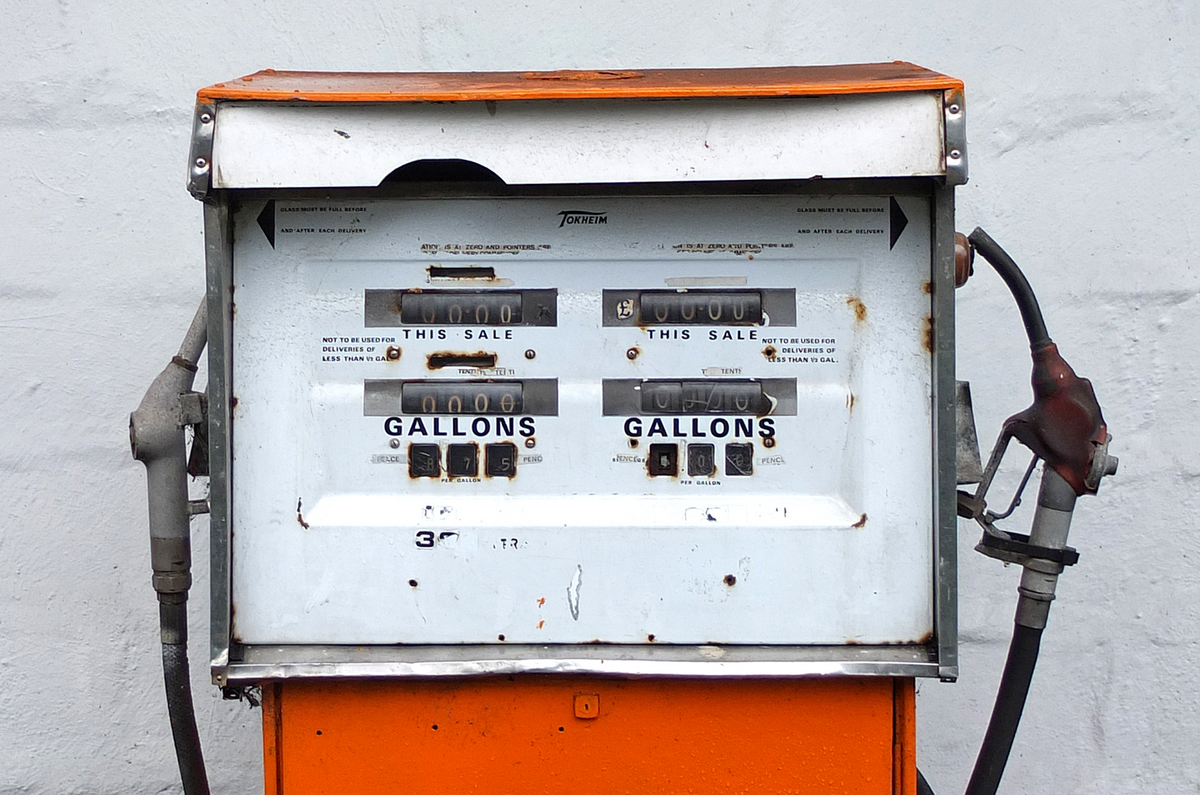
While we buy petrol and diesel in the UK in litres, a metric (see: logical) unit, we measure its efficiency in miles per gallon, an imperial (see: irritatingly British) unit.
Perhaps it makes some sense to those who grew up with imperial measurements, but I was born when John Major was prime minister, so the concept of a gallon is about as comprehensible to me as… well, why the actual hell a hundredweight isn’t equivalent to 100 pounds.
Who came up with the imperial system? Were they were some kind of sadist?
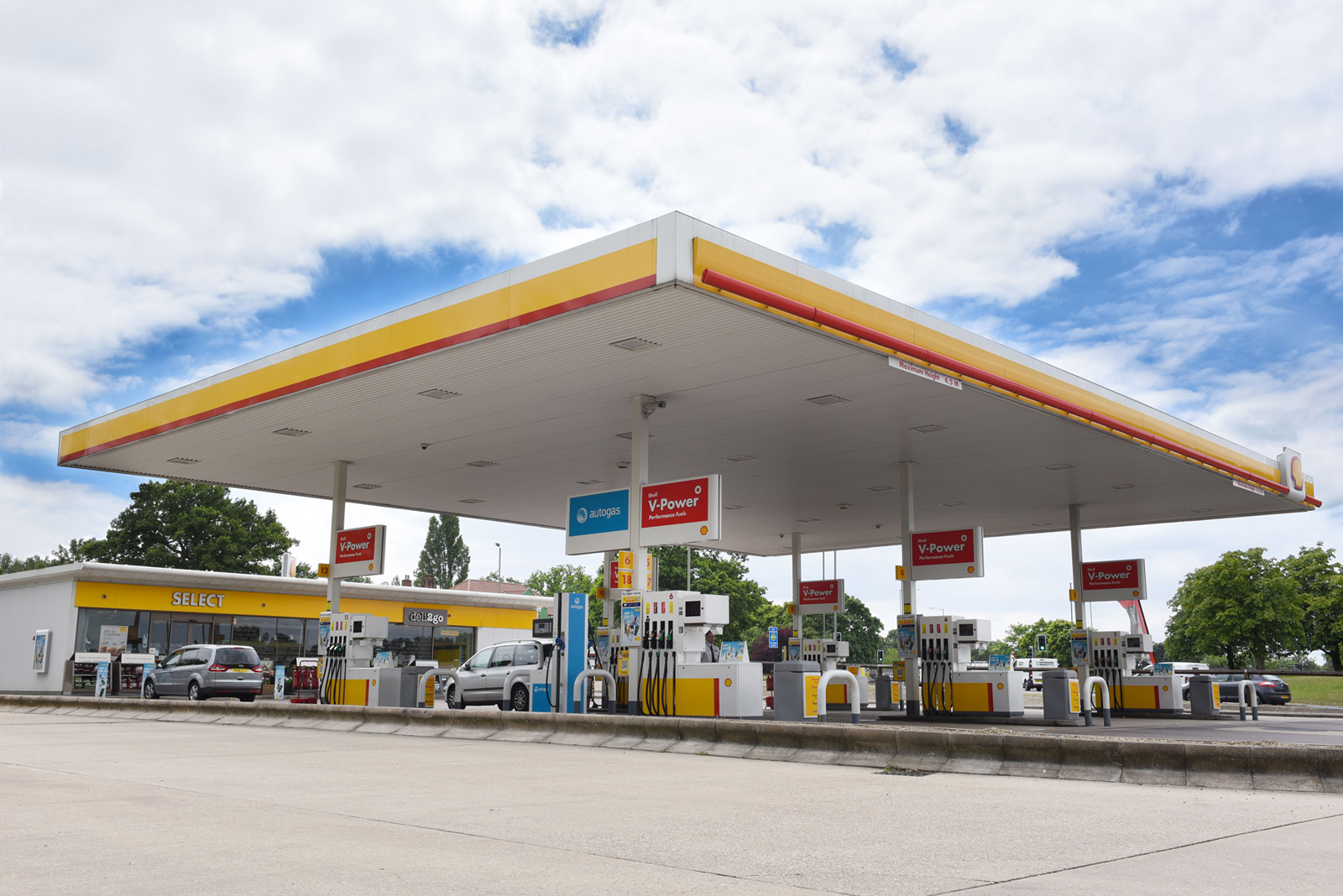 Anyhow, what my realisation meant was this: I don’t properly understand how efficient my car is because I don’t know exactly what a gallon is, even if I have a rough idea and know that 12mpg is rubbish and 50mpg is great.
Actually, thanks to the internet, I now do now know what exactly a gallon is: it’s 4.54609 litres. Oh, for…
This meant that in order to work out my car’s MPG, I have to convert the litres I buy into gallons. So last night’s 30.56-litre fill was 6.72226022802 gallons. I had done 324 miles in that time, giving me 48.980746073mpg. Fortunately, my iPhone has a calculator app on it.
How did this ridiculous situation come about? Well, the Government announced in 1965 that it would support industry moving over to the metric system. The Metrication Board was set up in 1968 and set the target of the country having completely switched over by 1975.