
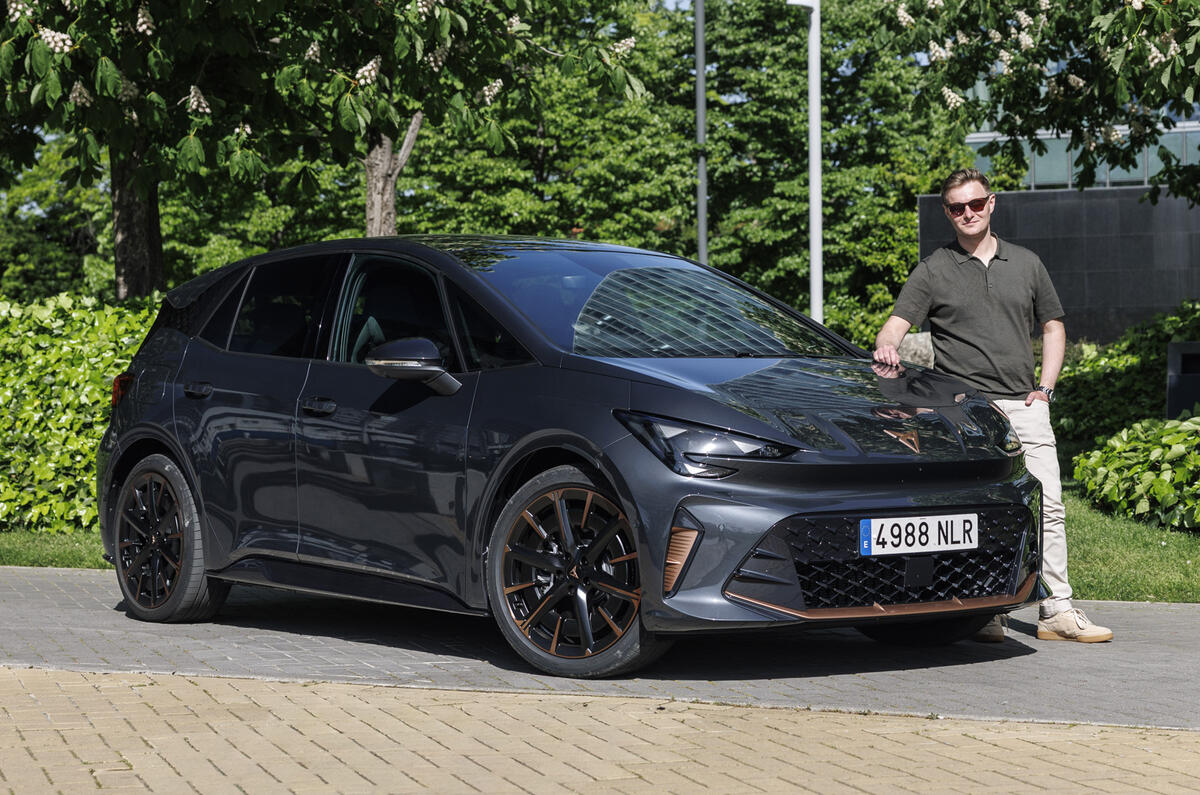
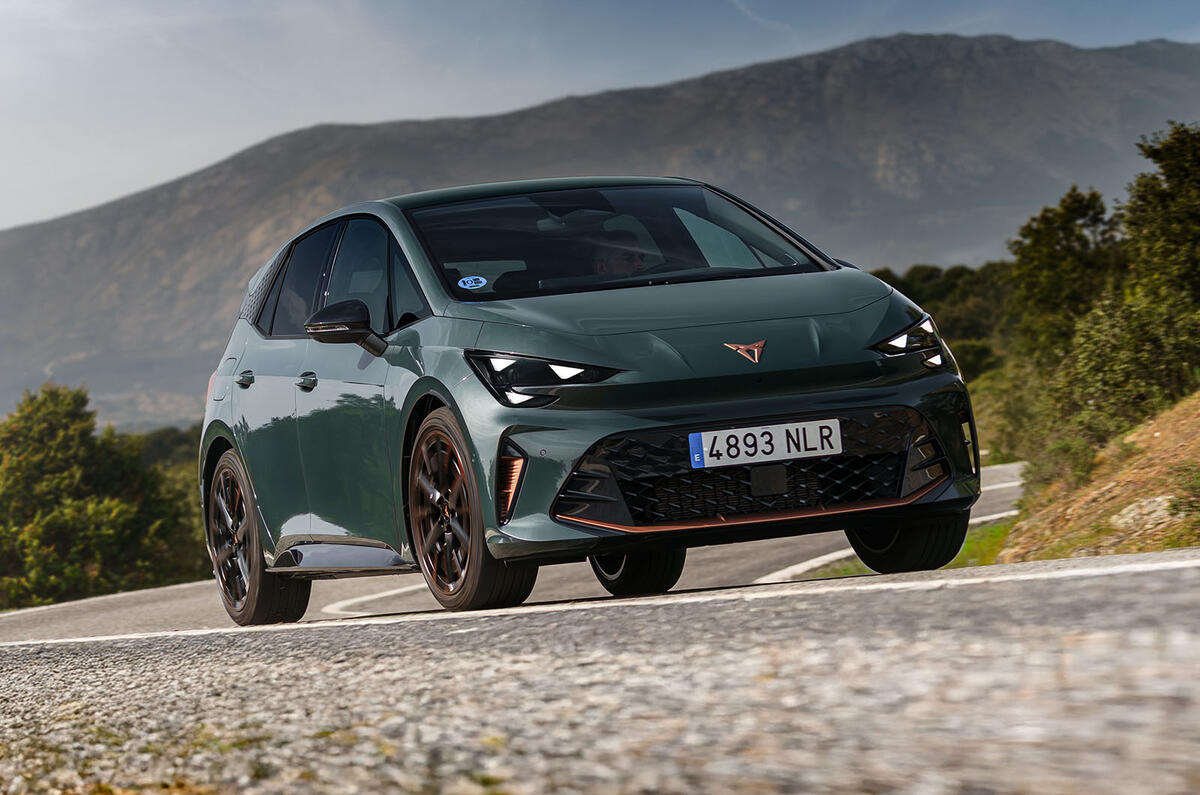
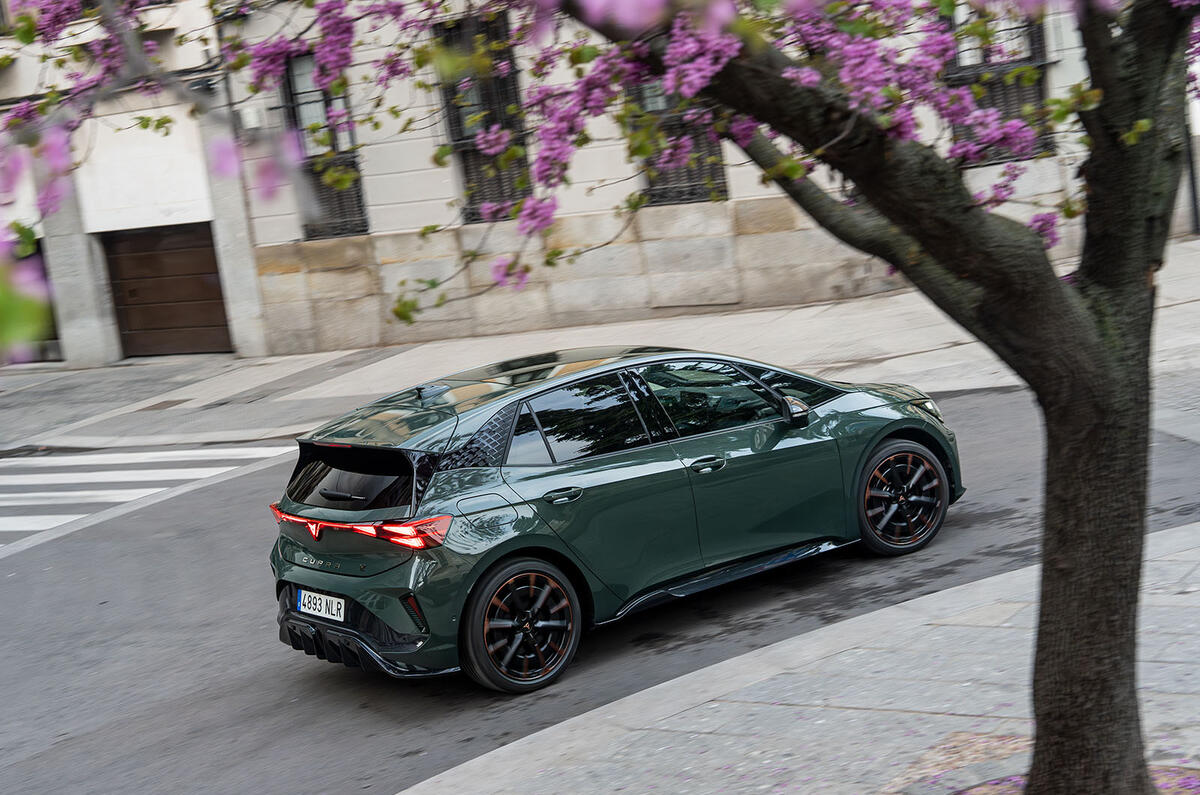
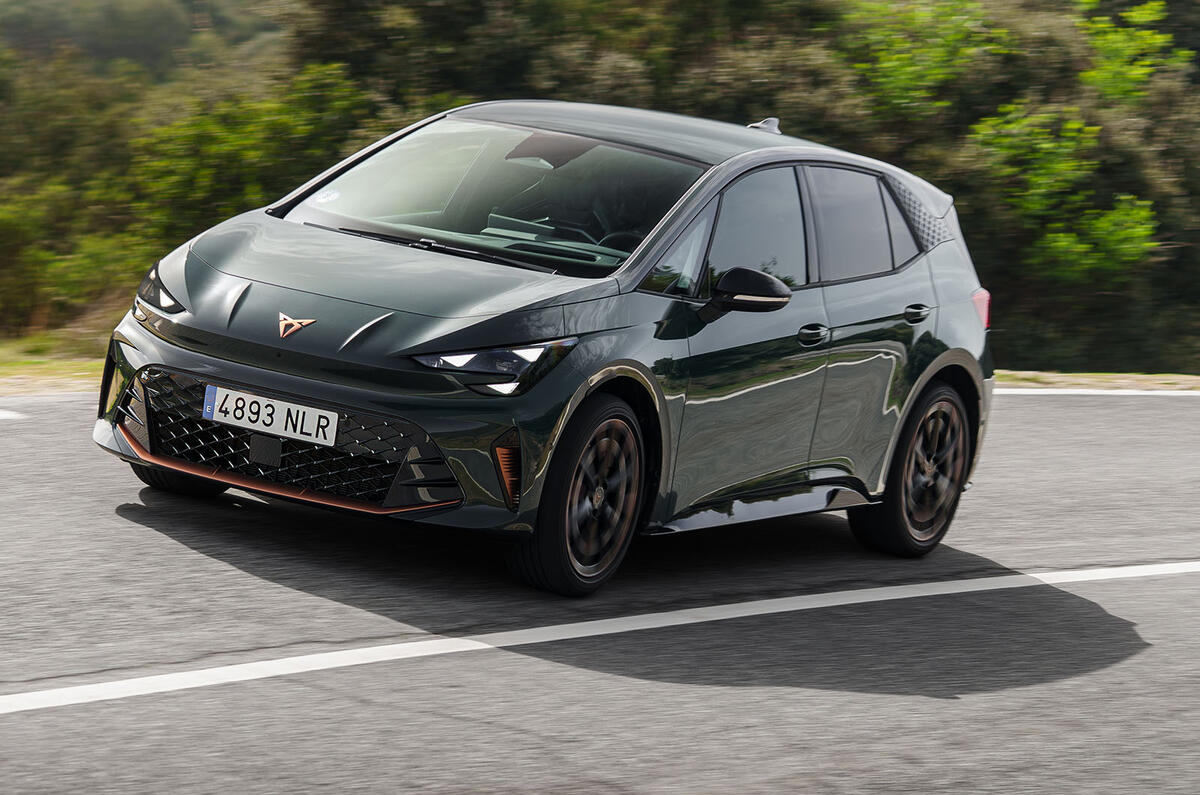



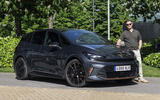



The unveiling last week of the heavily overhauled Volkswagen ID 3 'Neo' was touted as such a landmark moment for the German brand that it seems a little strange to be getting our first taste of the significant updates in its Catalunyan cousin.
The facelifted Cupra Born, though, quietly came first, setting the tone for a wide-reaching revamp of all electric cars based on the Volkswagen Group's MEB platform – and we've now driven it in top-spec, sporting-flavoured VZ trim ahead of its UK arrival in a few weeks.
Like the Volkswagen, to which it is very closely related, the Born has been treated to an extensive mid-life zhuzh-up that aims to address some of its most obvious shortcomings while boosting kerb appeal and strengthening its (already decently commendable) EV performance attributes.
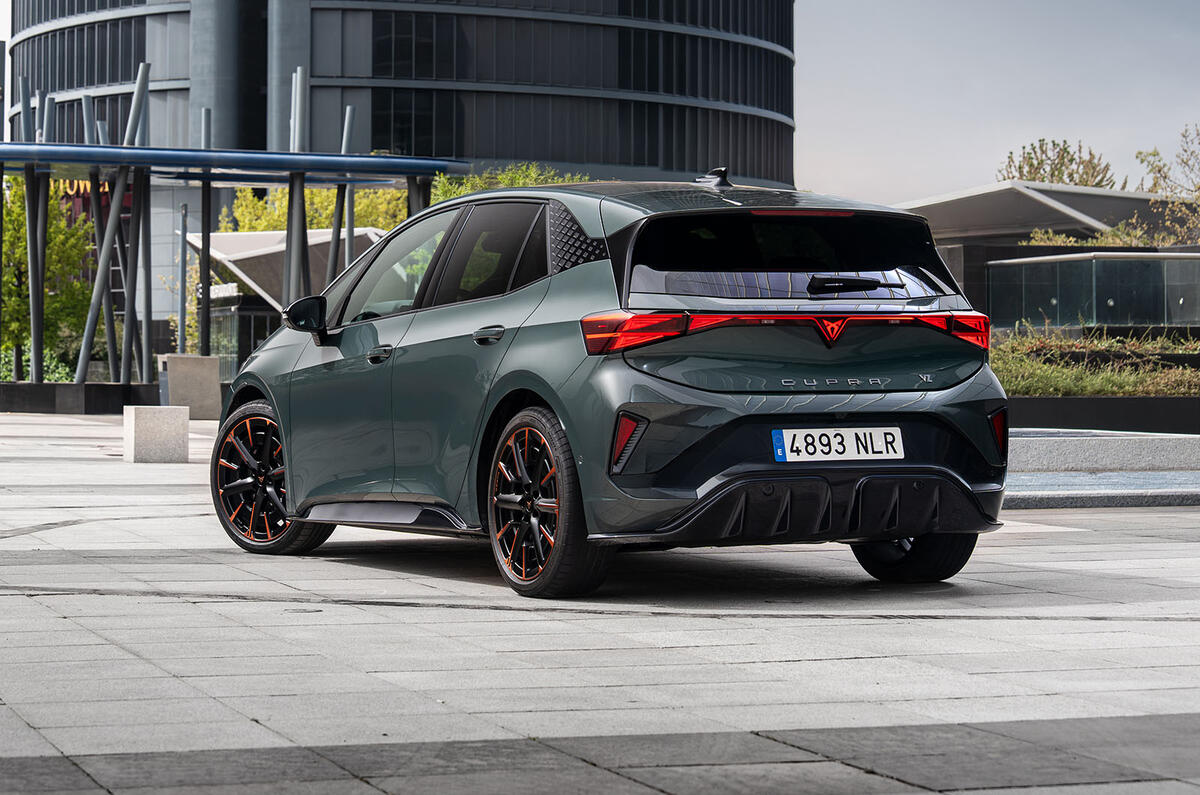
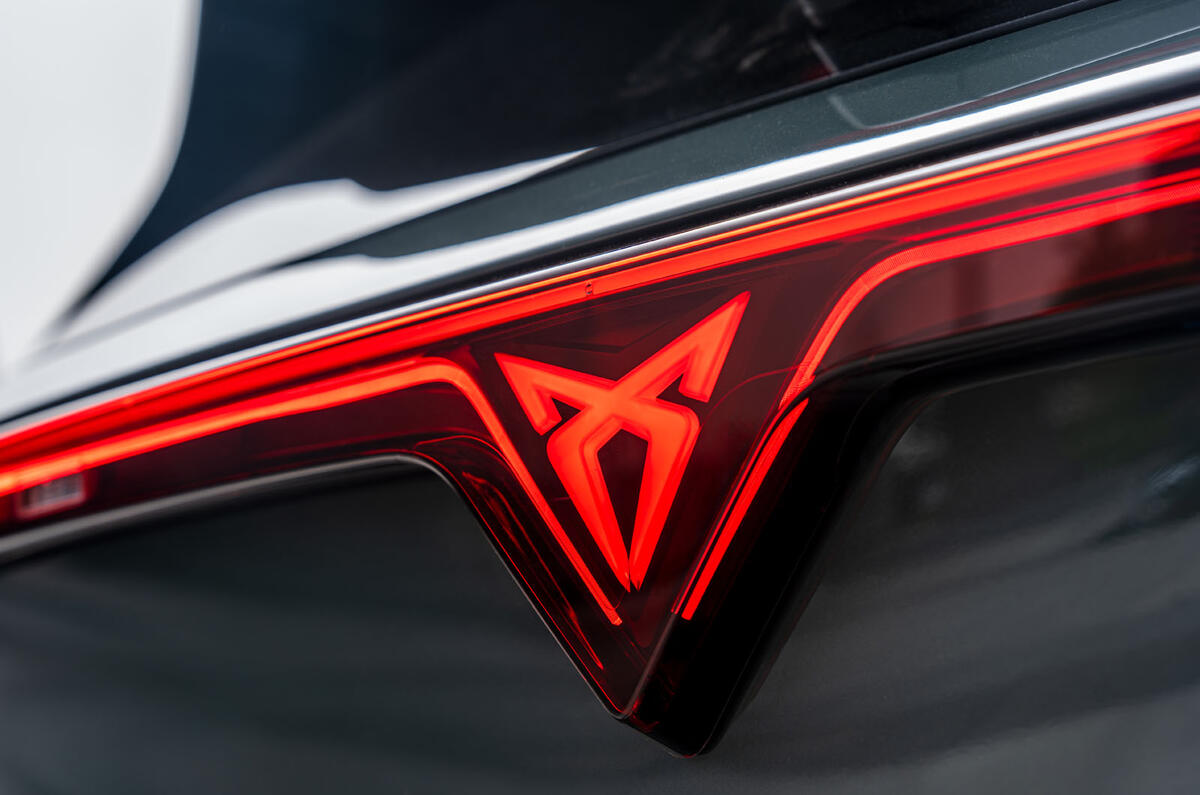
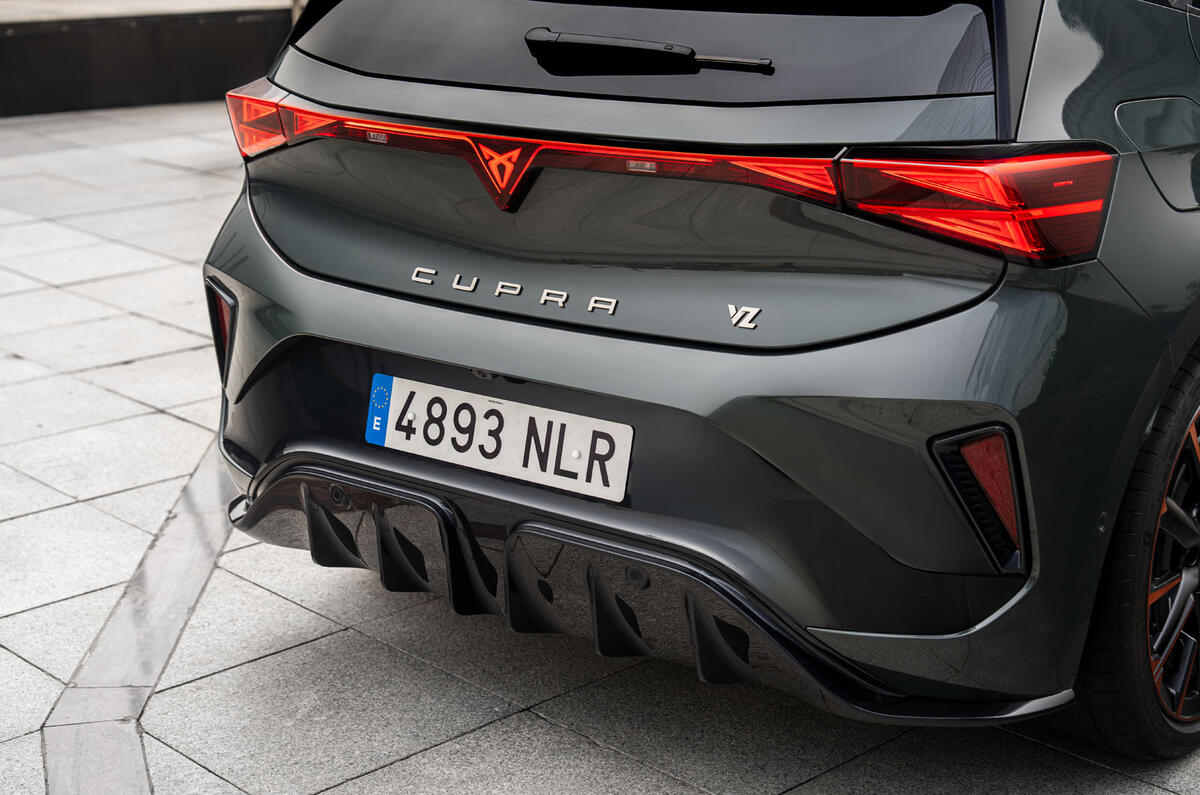
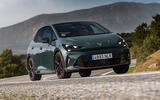
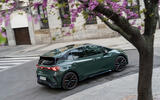
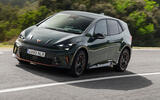
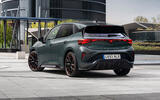
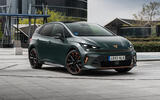
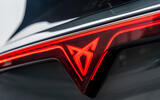
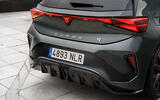
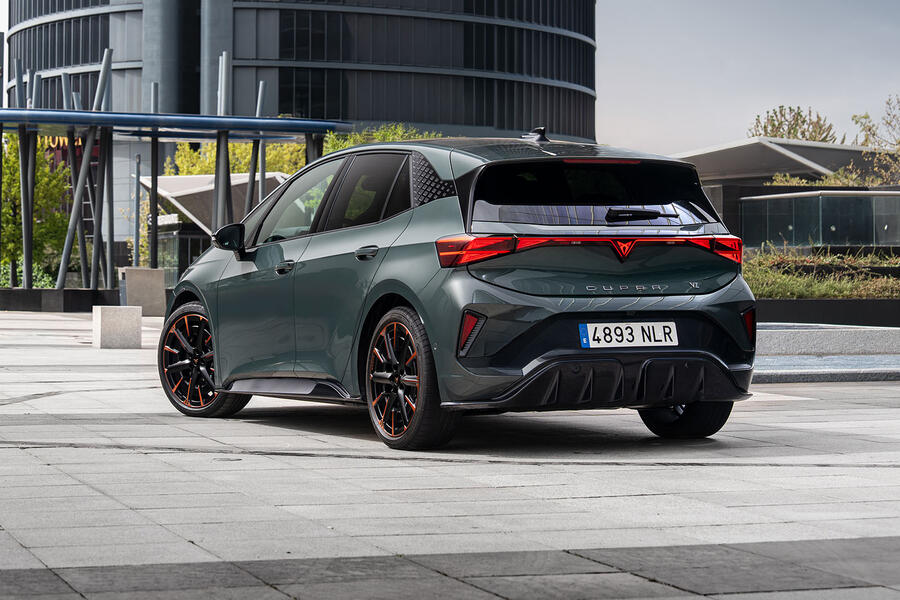
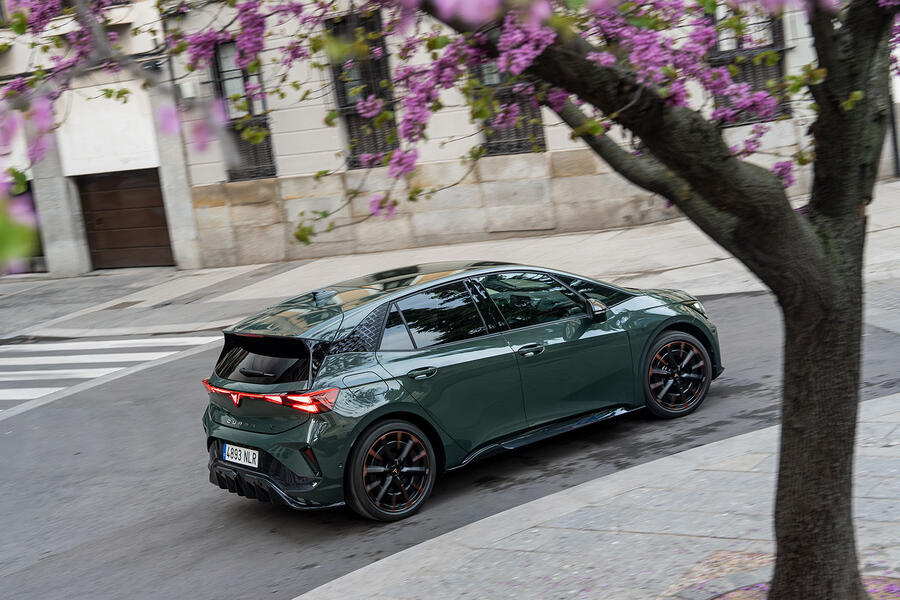
You'll have clocked the sharper-looking new front end and its distinctive triangular light patterns – which brings the Born into line with Cupra's slightly angrier new-gen design language – and the light-up logo at the rear, which will help to tell it apart from every other car with a full-width light bar (increasingly numerous as they are) at night. It’s a subtle makeover, but one that sufficiently sets this newer car apart from the one that’s been on sale since 2021.
Technical upgrades are similarly of the blink-and-you’ll-miss-’em variety. The line-up still opens with a 58kWh battery option, mated to a 187bhp motor and giving a range of 300 miles – available from £36k. Then there's a 79kWh pack, which is good for up to 389 miles between charges and can power either a 228bhp motor (from £37k) or, as sampled here in the £46k range-topper, a 322bhp unit that delivers true sports car levels of performance.
The smaller battery can be topped up at speeds of up to 108kW, and the juicier pack will suck down electrons at up to 183kW – broadly competitive against other 400V EVs on the market.
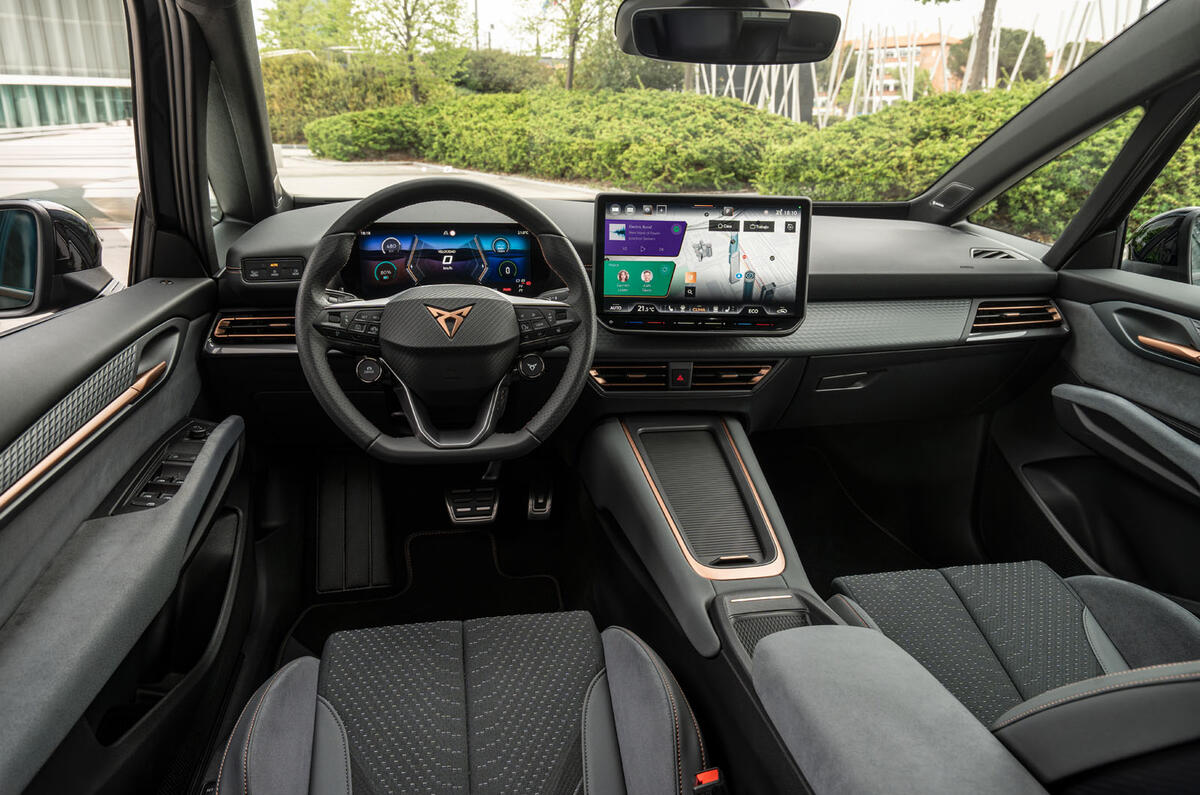
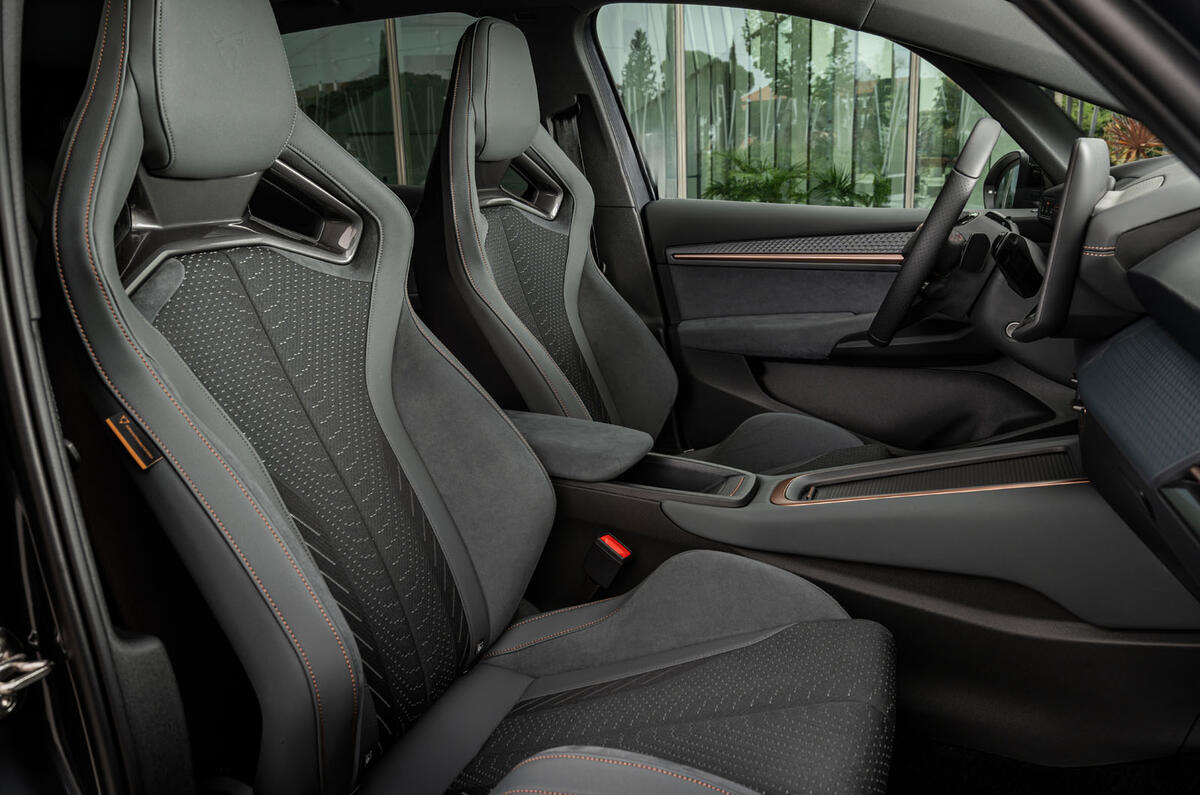
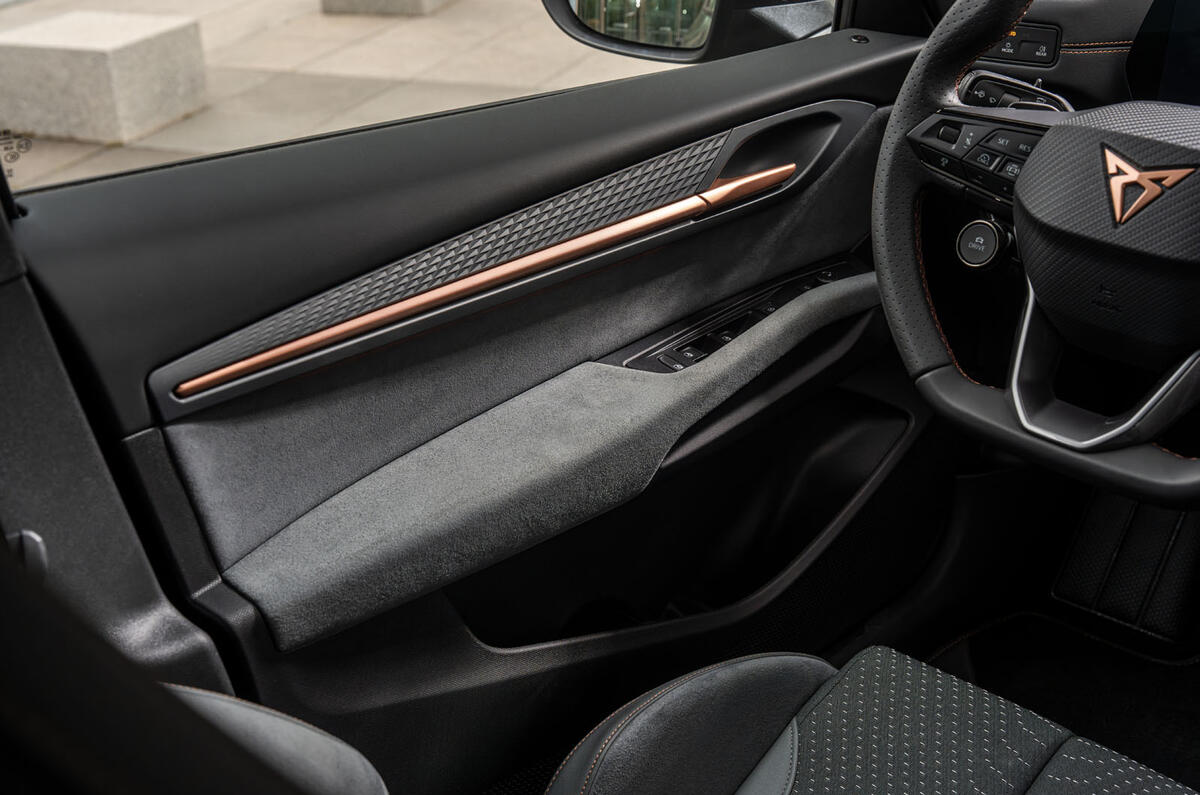
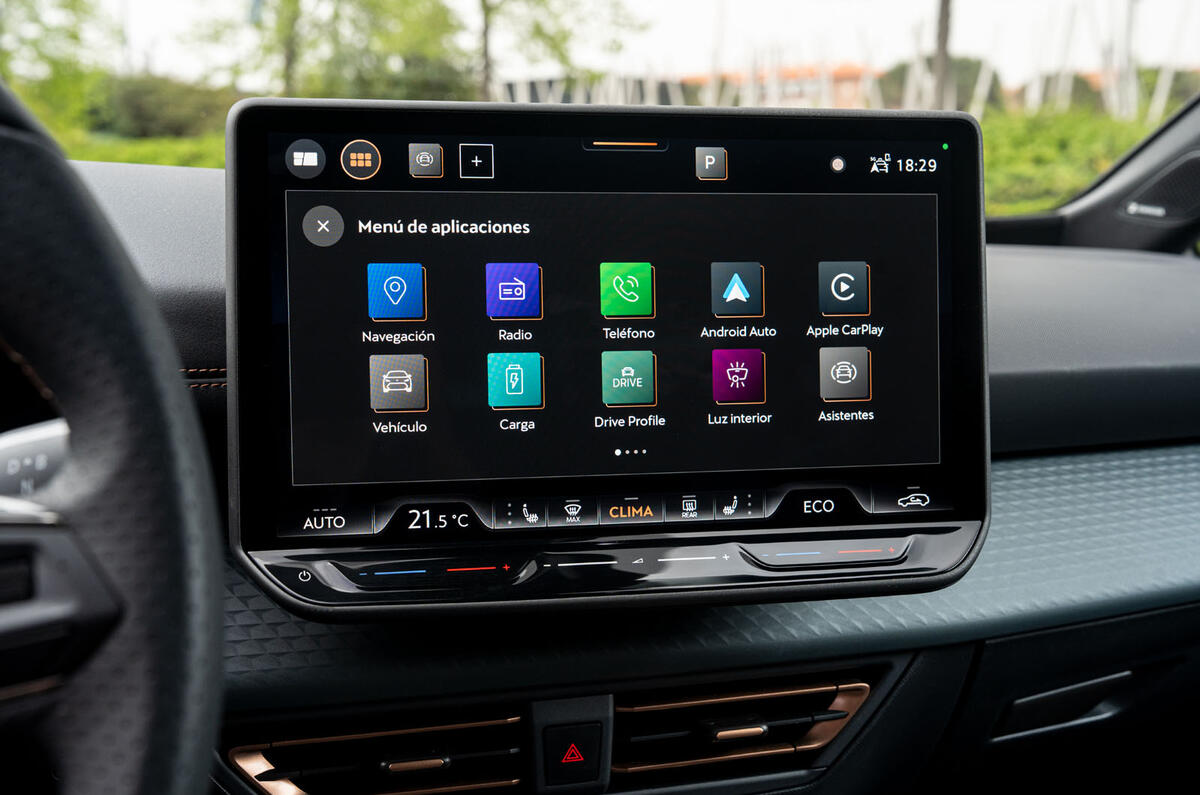
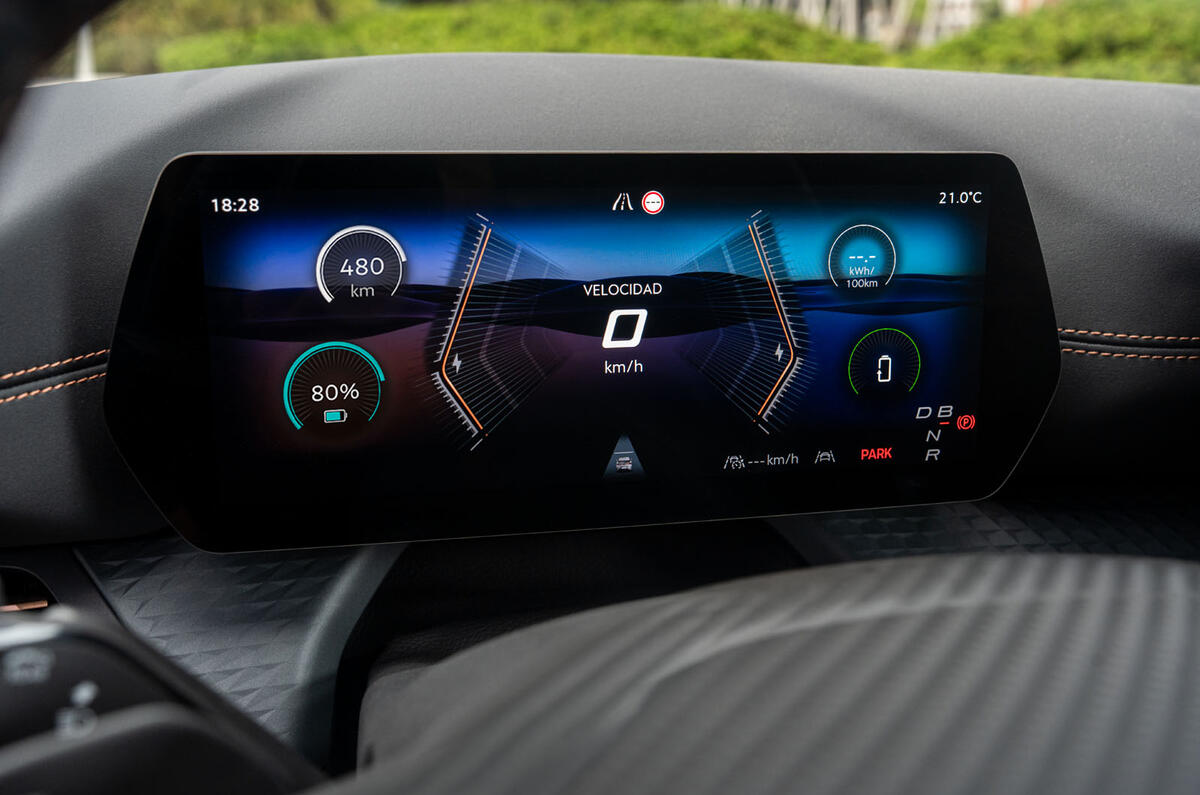
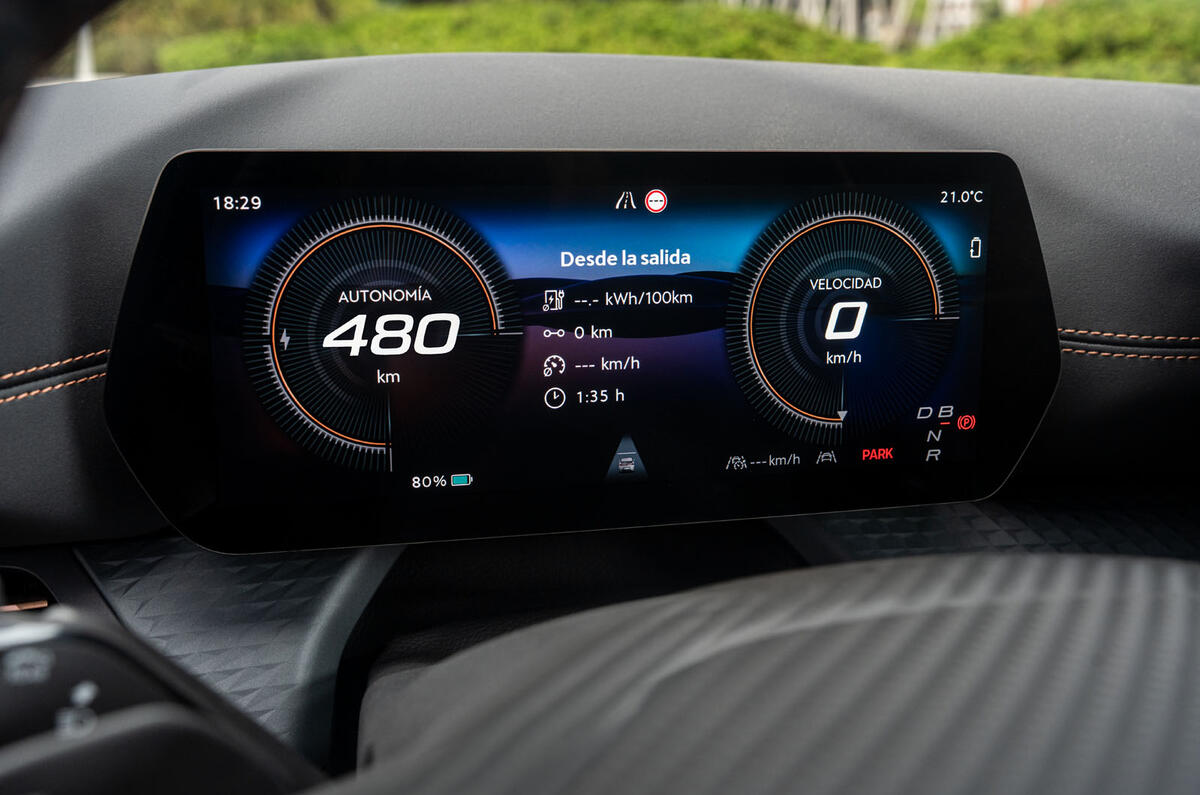
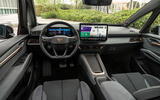
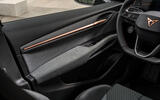
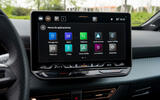
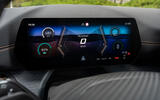
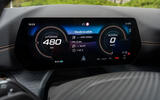
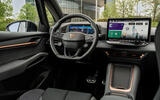
The cockpit has been more substantially upgraded, though, because it's in the areas of ergonomics, quality and utility that Cupra – and its VW Group sibling brands – have most obviously fallen short of the mark in recent years.
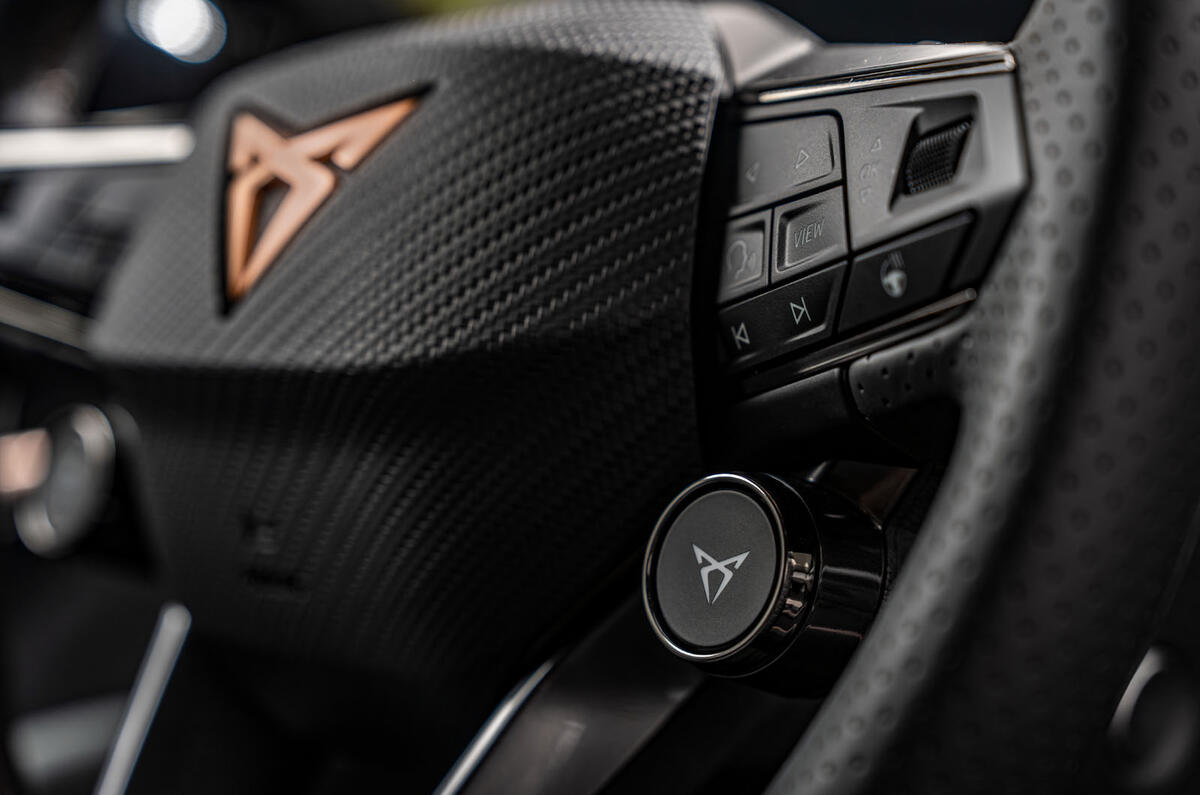
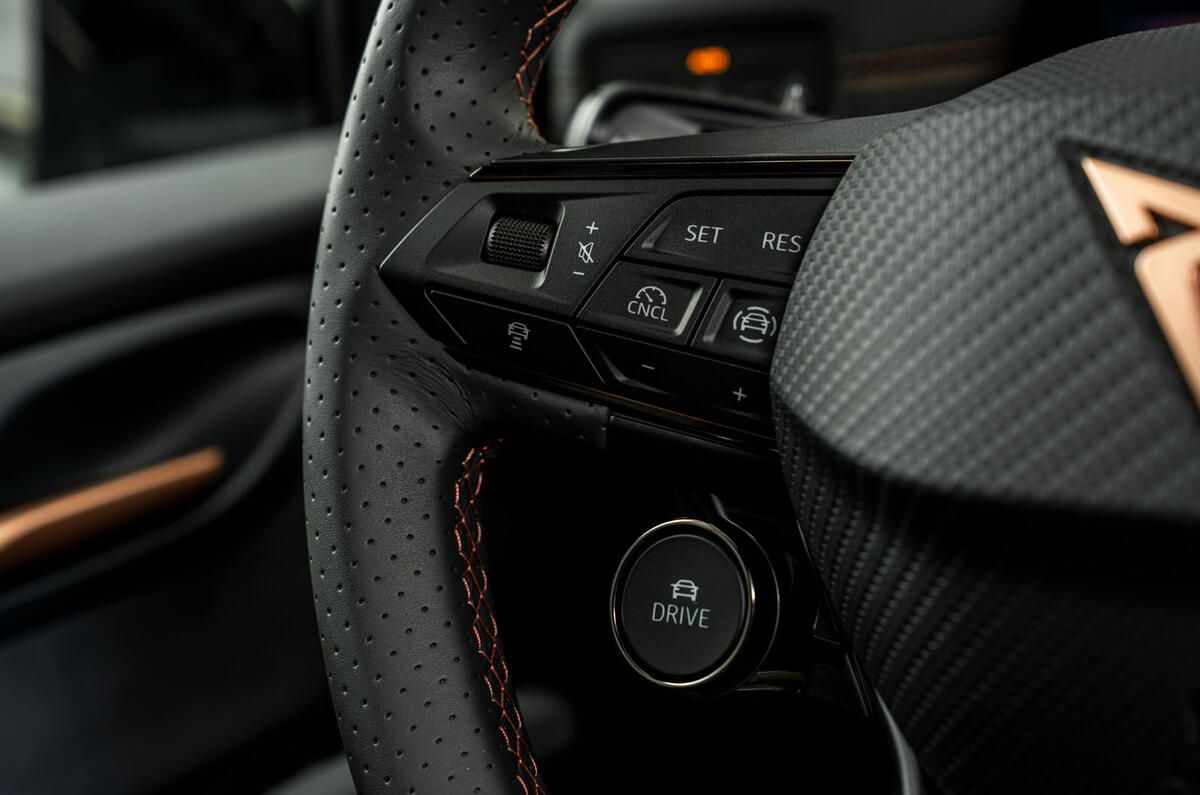
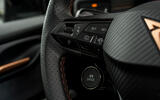
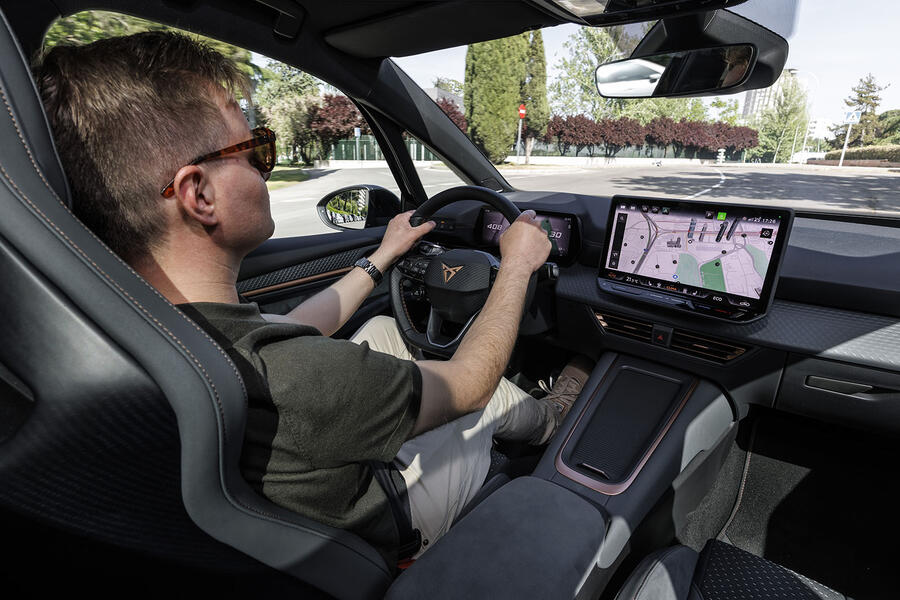
Chief among the interior mods is a redesigned steering wheel, which now hosts a healthy smattering of simple, clearly labelled physical buttons and rollers for the audio and cruise systems – doing away with the tricky haptic controls that came before, in line with a group-wide (industry-wide, even) push to return to a more intuitive and analogue driver environment.






Join the debate
Add your comment
Oh Felix
Trying to position himself to be the next Kable?