
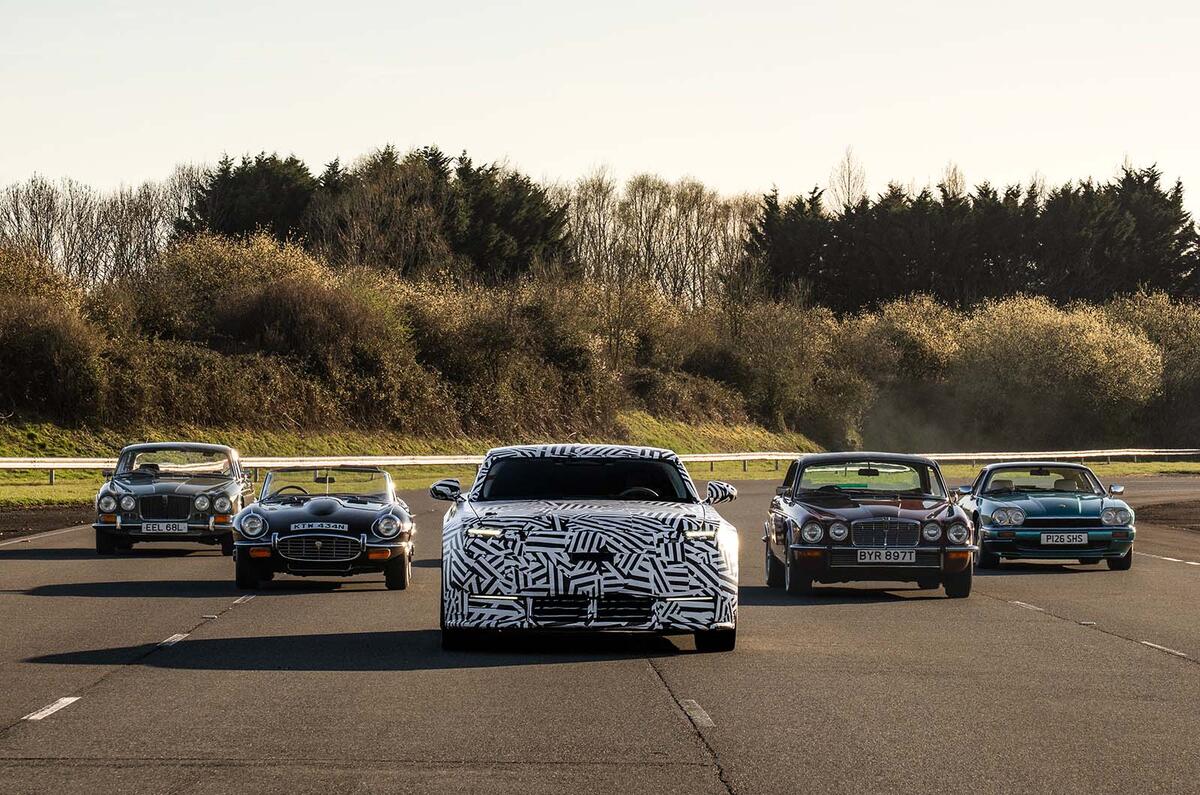

There may not seem much difference between the idea of starting a car brand from scratch and restarting one.
What would you do differently? Very little, the marketing cynic might say. Simply focus on the now, target the customer whose wallet you want to get into and deliver something they want. Alternatively, come up with a distinct vision or uniquely appealing notion that they don't yet realise they want. But what if that notion already exists - even if it's little more tangible than a feeling? Then grab it, if you can. Call it a head start, if it's useful; baggage to be discarded, if not. What you need to know first is: does it really exist at all? Or is it ephemeral? Has it been talked into existence?
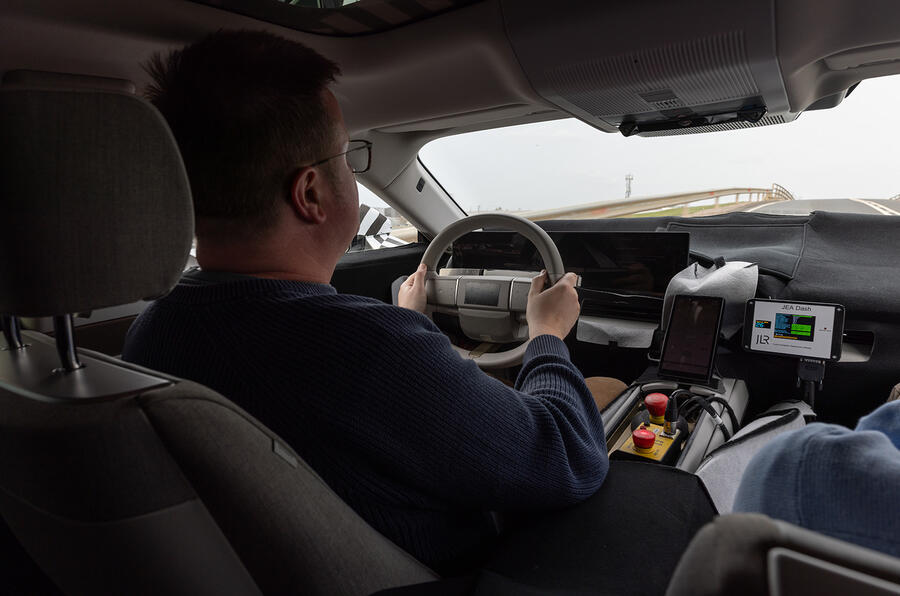
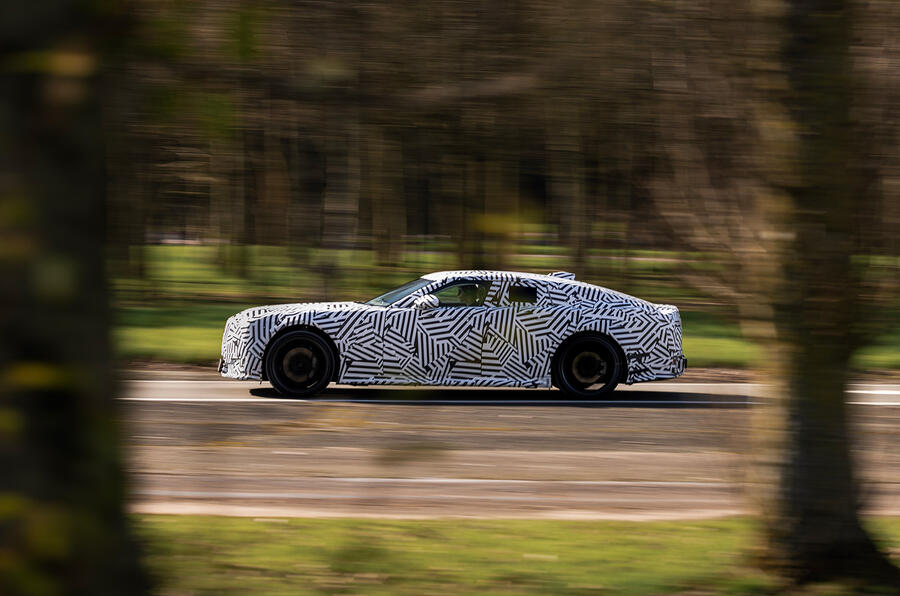
That was precisely the question addressed five years ago by the team behind the all-electric Jaguar X900, Type 00, 4-Door GT - call it what you like. (We won't know the official model name until September.) It's why we have come to JLR's Gaydon proving ground today, not so much out of curiosity but for the chance of reaffirmation.
As it is called inside the building, the X900 is, by its nature, entirely novel technically, so it stood to inherit nothing material from any Jaguar before it. Any hint or feeling of 'Jaguarness' it might eventually evoke wouldn't turn up circumstantially, therefore. It would need to be deliberately and carefully designed, engineered, tuned, coded, woven and stamped into it.
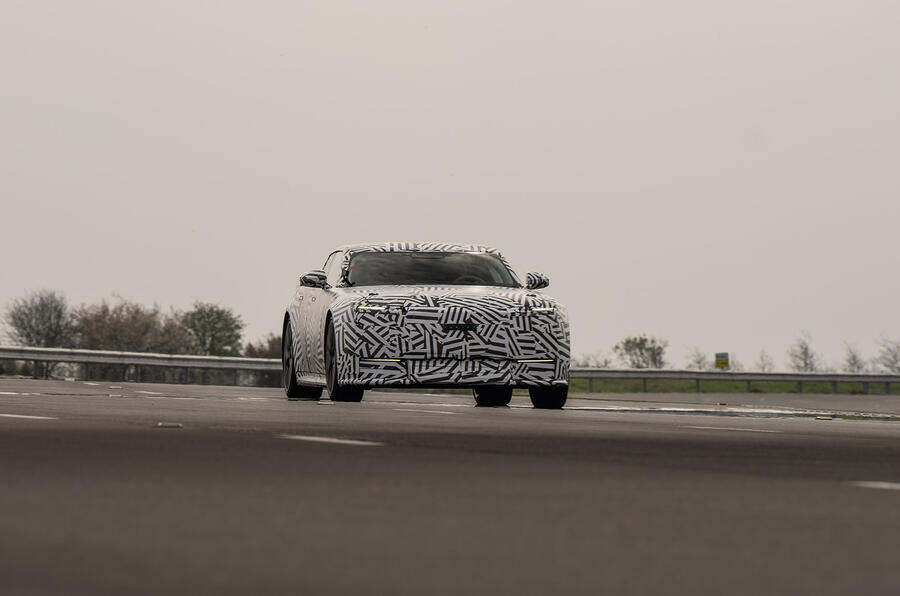
That's why, in the very earliest stages of the car's development in 2021, the key engineers involved in the project convened a unique 'Spirit of Jaguar' testing exercise. Done in lieu of a preliminary competitor benchmarking exercise, this was all about defining a dynamic character. About deciding what a true Jaguar feels and drives like.
From its visual presence to its driving position. From the view out of the windscreen to the key characteristics of the first 50 yards at the wheel. From the tactile qualities of its primary controls to the defining fundamentals of its ride and handling.
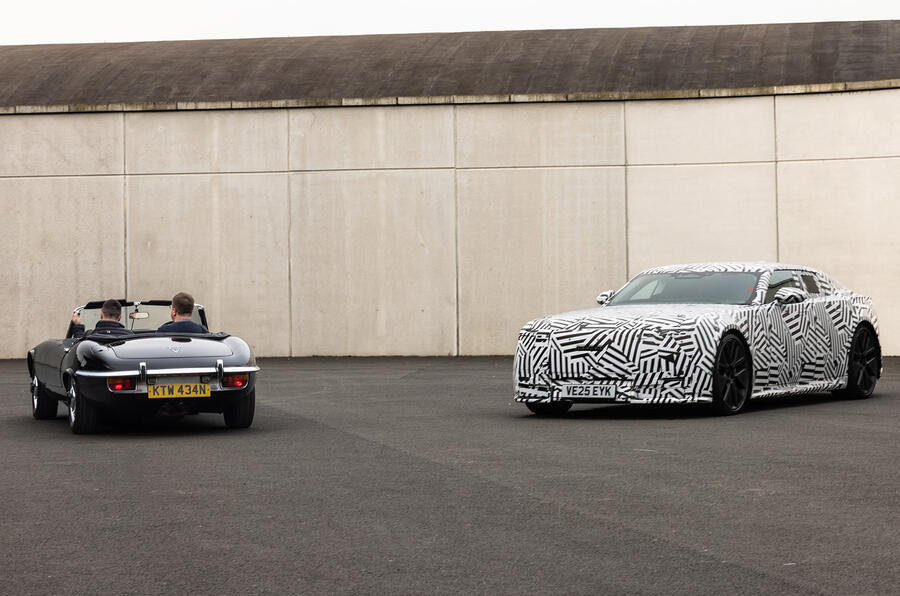
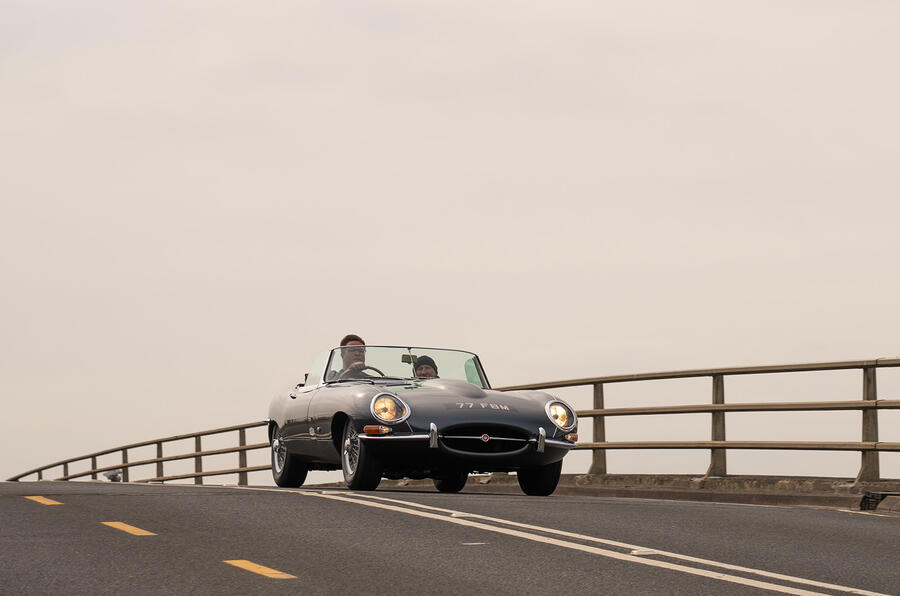
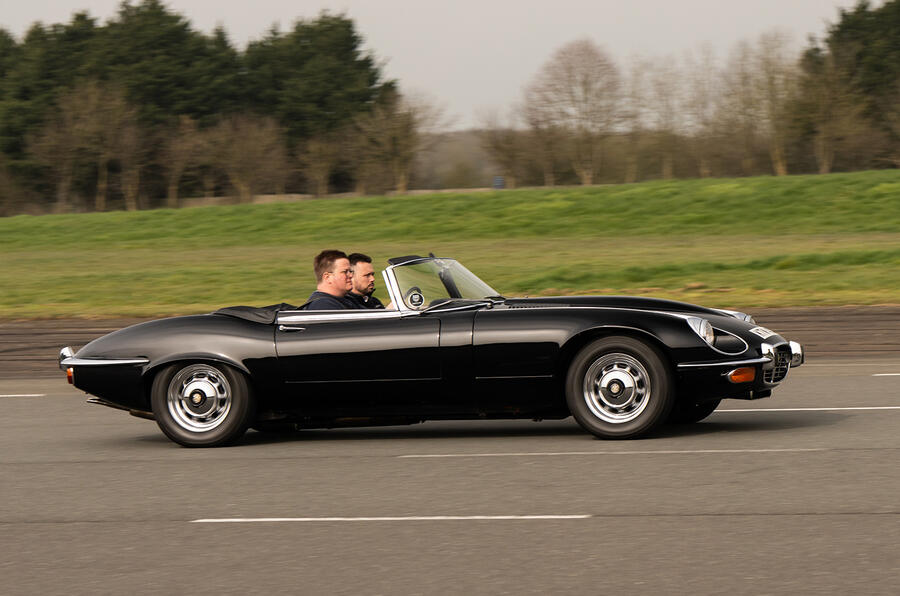
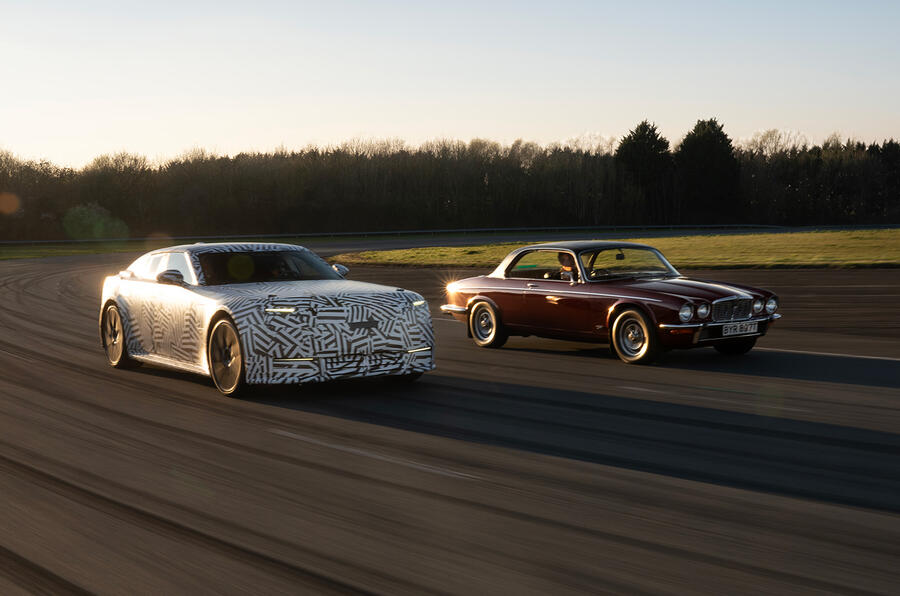
Back in 2021, a team led by chief engineer for the project Jon Darlington plundered a bunch of classic Jaguars from the Jaguar Daimler Heritage Trust. They did a lot of driving, note taking and note comparing, and set out to make the intangible, elusive, subjective and indefinite real enough to pin targets to. Today, we mark their homework. On the apron in front of me sit two E-Type roadsters: an early 3.8-litre Series 1 car with a flat floor and external bonnet latches and a much later V12-powered Series 3. They are Jaguar's sports car icons, almost as show-stopping today as an E-Type must have seemed in 1961.






Join the debate
Add your comment
2018. The new thing at the time was the Jaguar I-Pace. Its bonnet was quite short, the driving position was a little perched compared to Jags of old. It was electric, for the first time. It was a Jaguar like absolutely no other! Why wasn't it taken into consideration in the jaguarness test? The question is obviously rhetorical. The I-Pace was quickly forgotten and subject to damnatio memoriae. What will happen to the X900? Only time will tell, but I wouldn't be too optimistic.
I think it will look great and go great but out if my oroce range! Wonder if interior is the last war and Jonny Ives Ferrari interior the next one. Hope they don't make it pointlessly impractical you know fluids and brake servo only under frunk as Jaguars aren't traditionally practical.
Having read the article and watched the video well most of it before I nodded off, I got the impression that Jaguar are gambling a bit with this car because it does look odd, maybe it's the camouflage or what looks like a not too roomy interior and that B pillar is a massive blind spot and by the looks of it if your over six foot tall your head is rubbing the headlining!, final appra will be to see it in a few colour combinations because the camo dies its job and breaks up the exterior design,and one more thing, having it drive in formation with its relatives makes it look enormous!