










In Buchloe old habits die hard, if indeed they die at all.
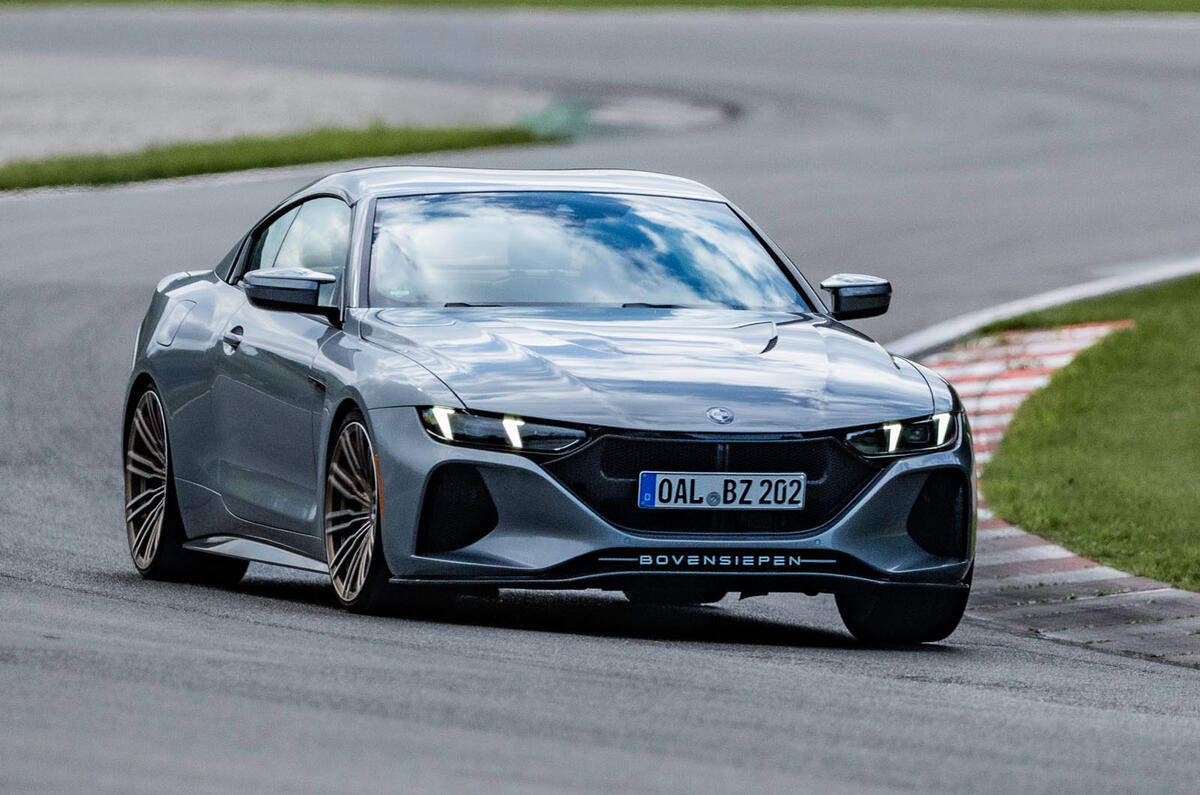
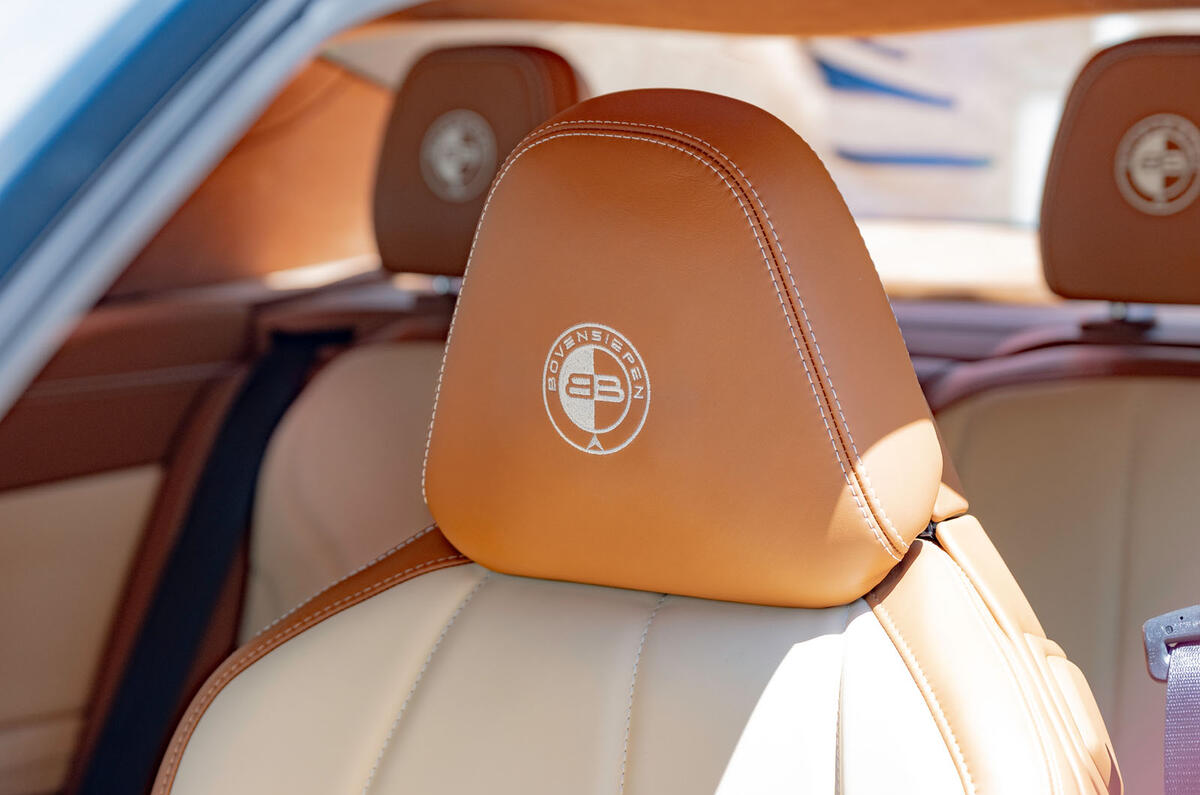
The Bovensiepen family has now relinquished the rights to the 60-year-old Alpina name, trading them to the BMW Group, and the first model of their latest venture – Bovensiepen Automobile – represents a new dawn in a great many ways. And yet here we are, pounding round the Salzburgring in a modified BMW of a distinctly road-going disposition, with capitalised letters parading luridly across its chin.
There are twice as many letters now but it’s all uncannily familiar. When the Bovensiepens ran Alpina, a trip to the Salzburgring was their preferred method of letting the press loose in a fresh model. There’d be a couple of cars, chatty senior management and old workshop hands mulling in the pits, plus a mountain of ALP-marked tyres and Brembo brakes in one of the garages.
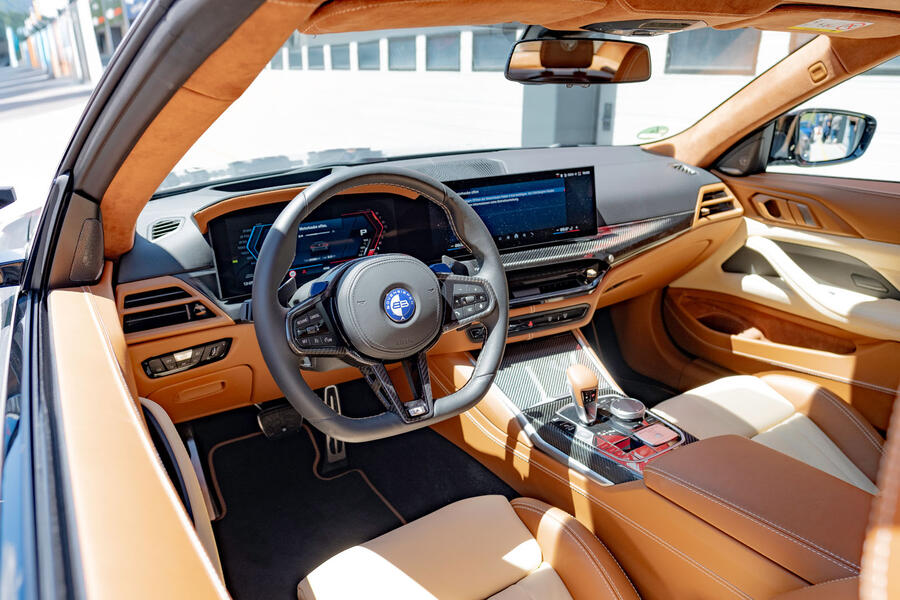
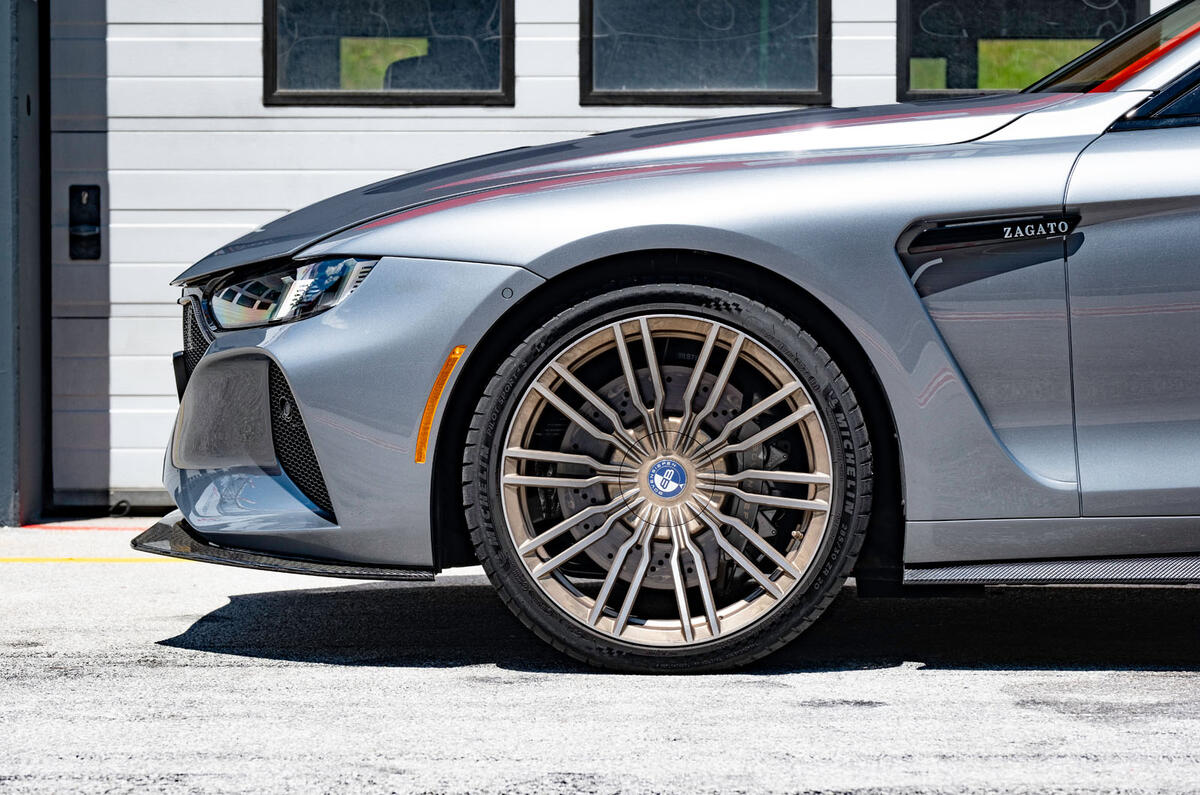
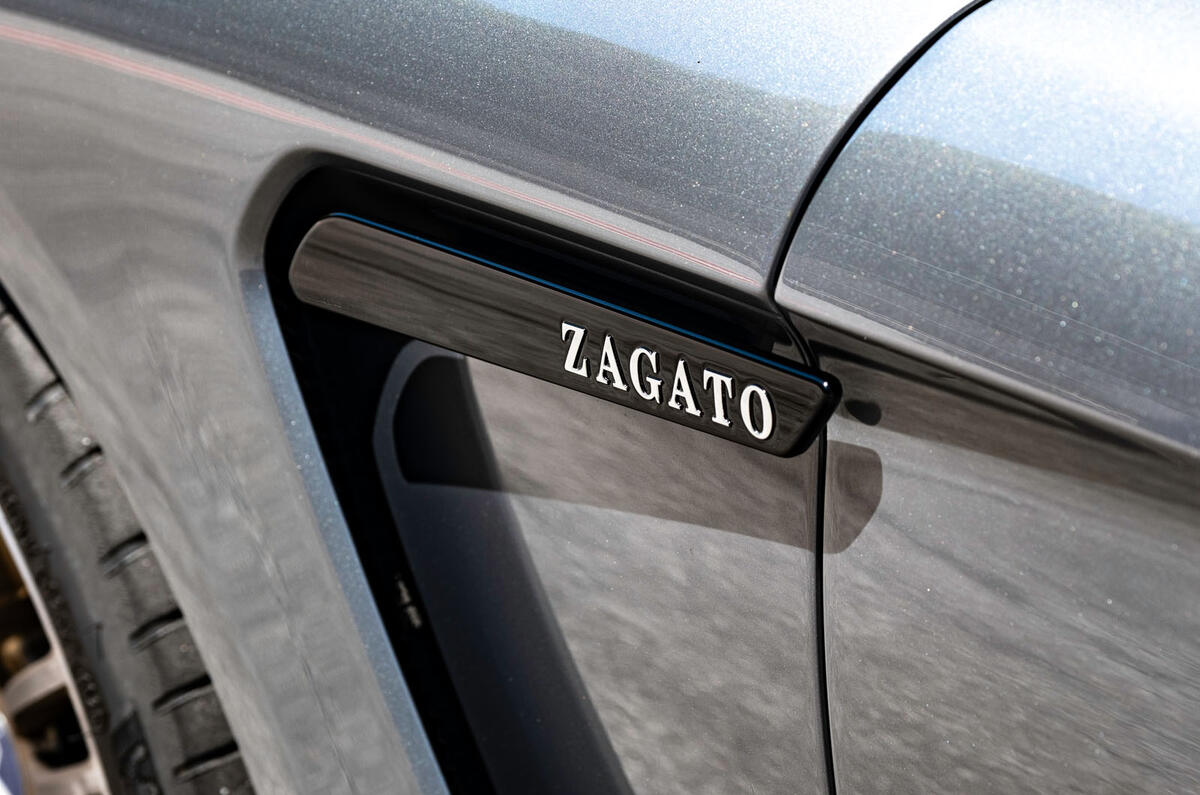
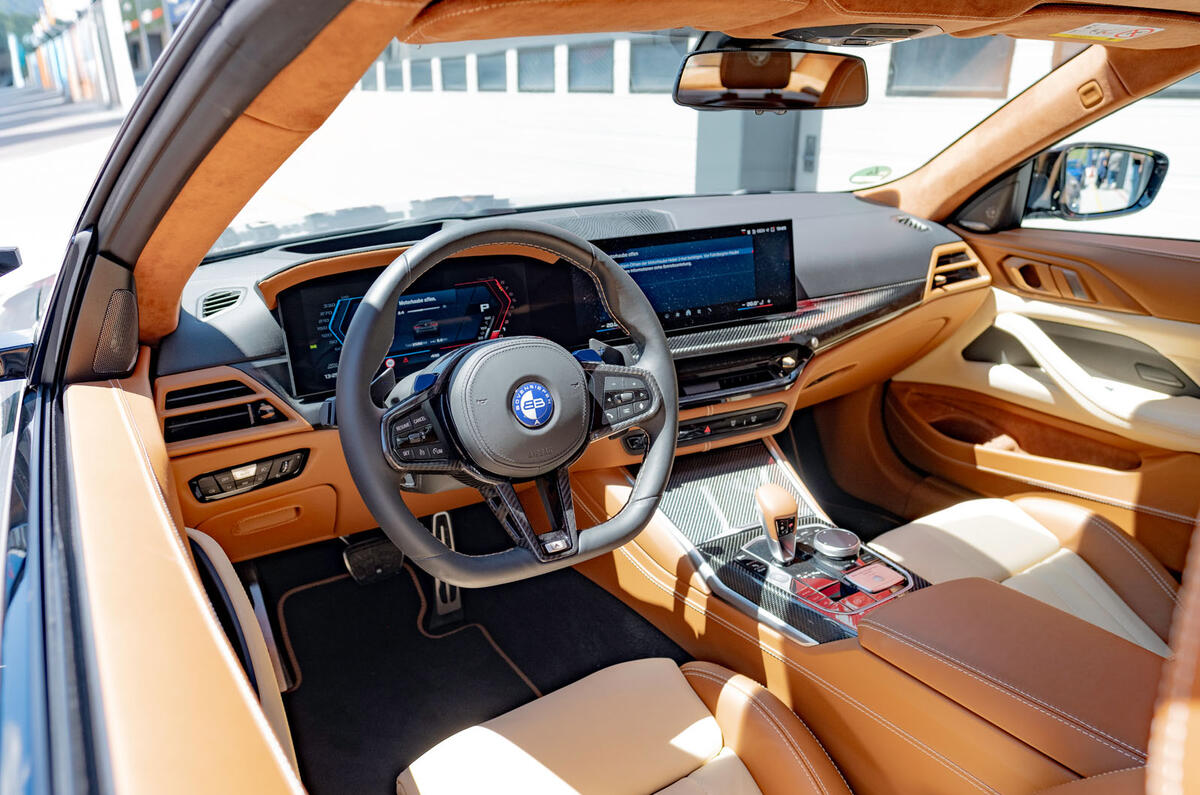
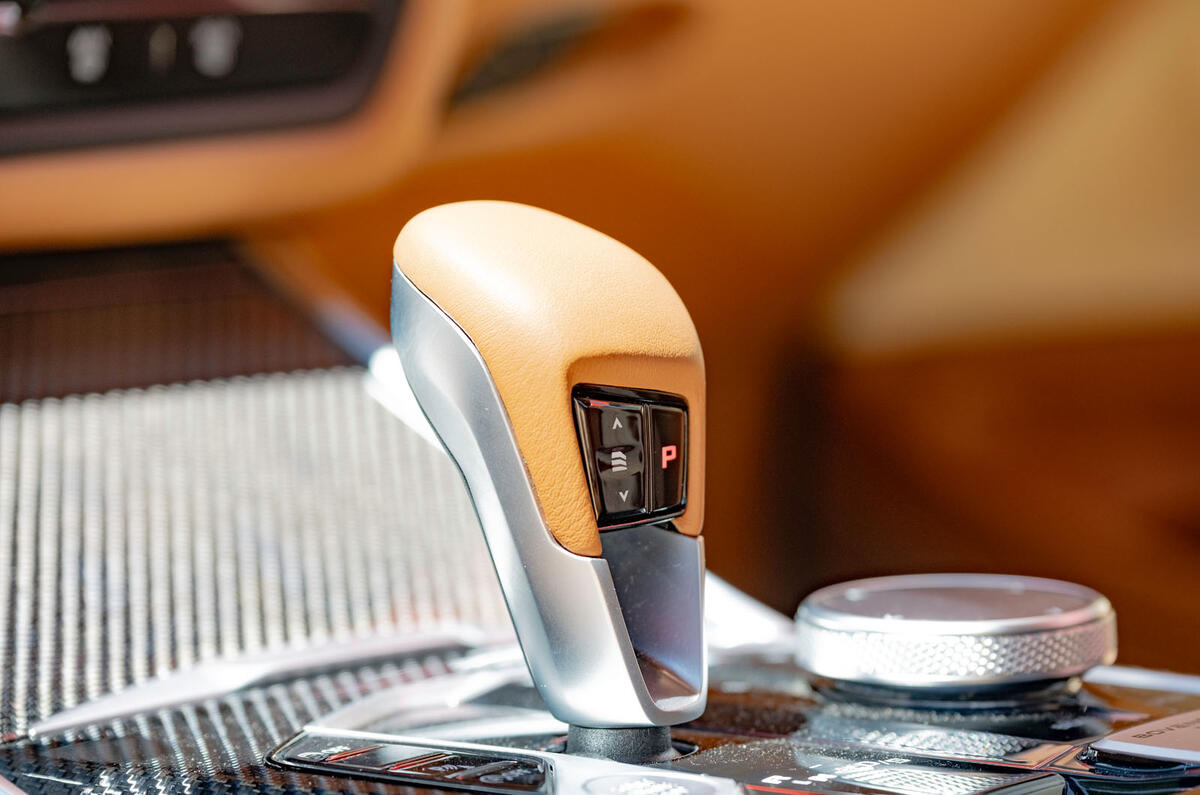
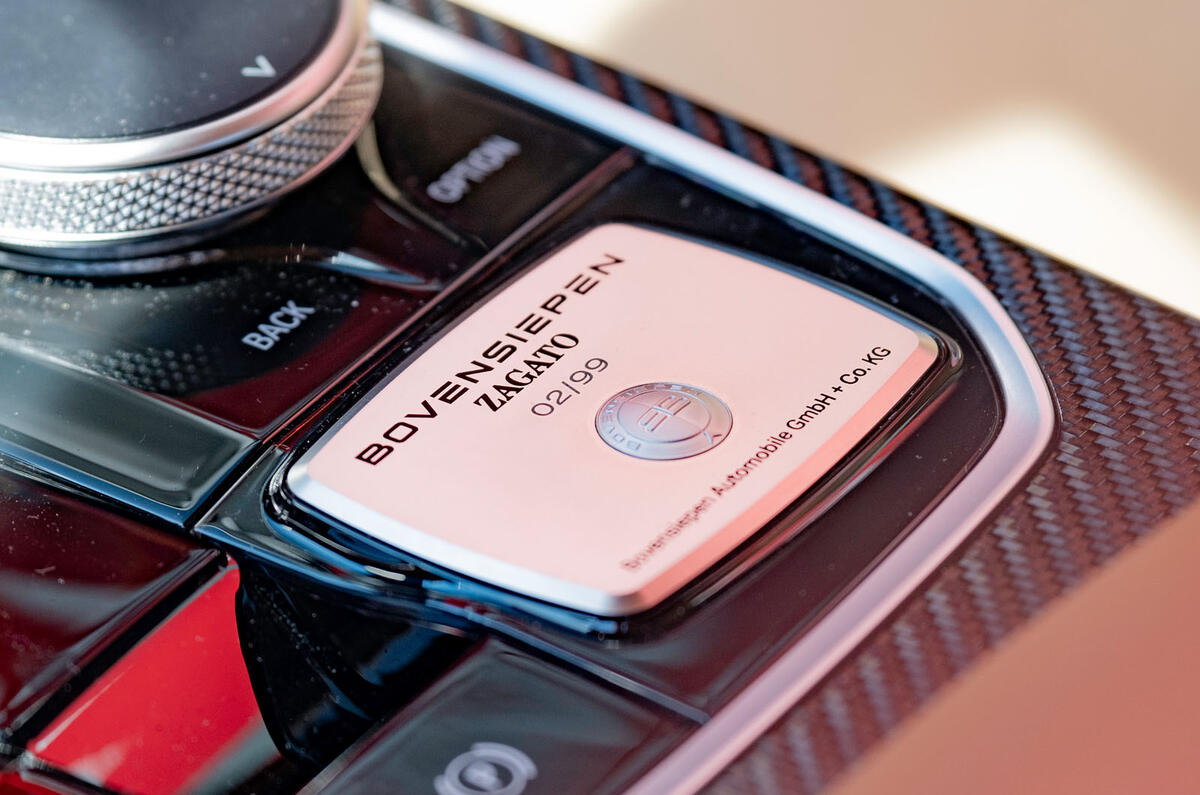
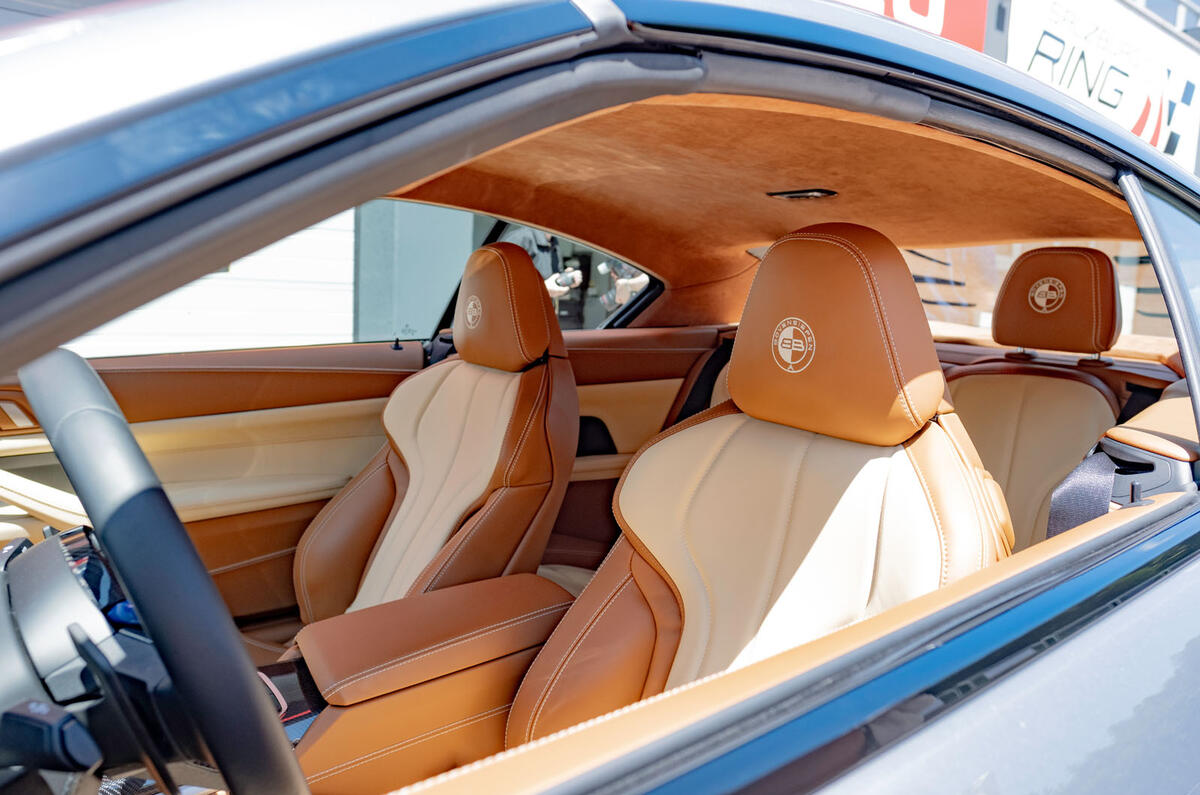
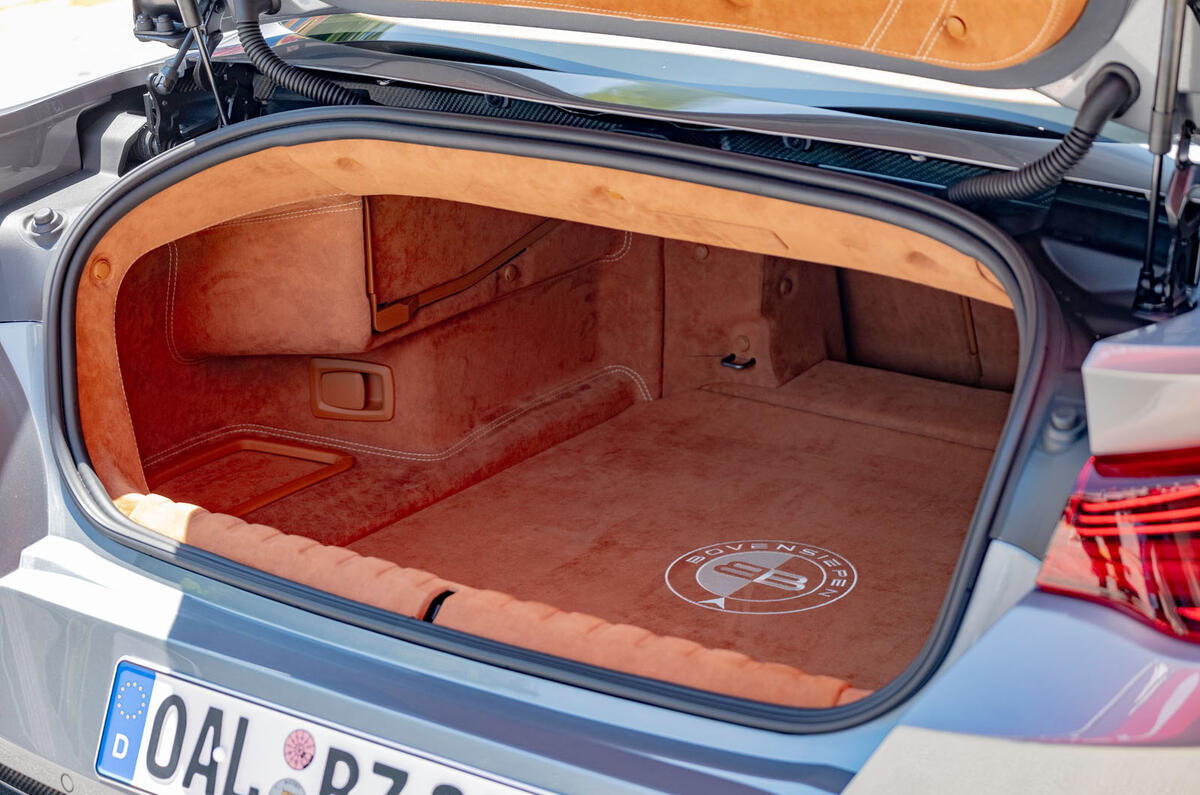
It never felt less than an incongruous arrangement, given the laid-back nature of the luxury cruisers that made Alpina famous, and sure enough, the same is true for the stunning new Bovensiepen Zagato. This £320,000 2+2, penned just outside Milan by Norihiko Harada, is pitched both as extra-special collector’s curio and as a credible alternative to something like an Aston Martin DB12 S, but one thing it is certainly not is a track-day blade. It’s an opulent, leather-stuffed GT with monstrous torque.
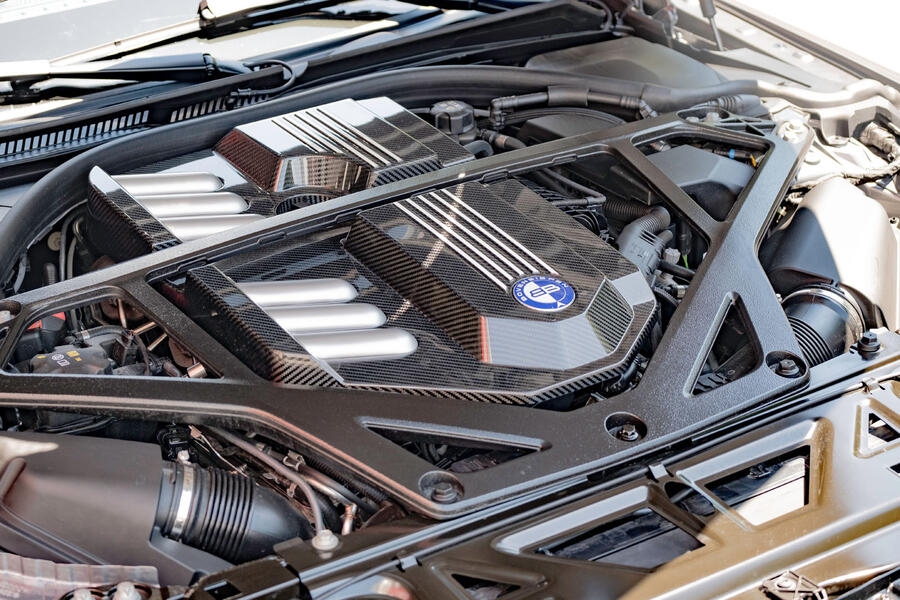
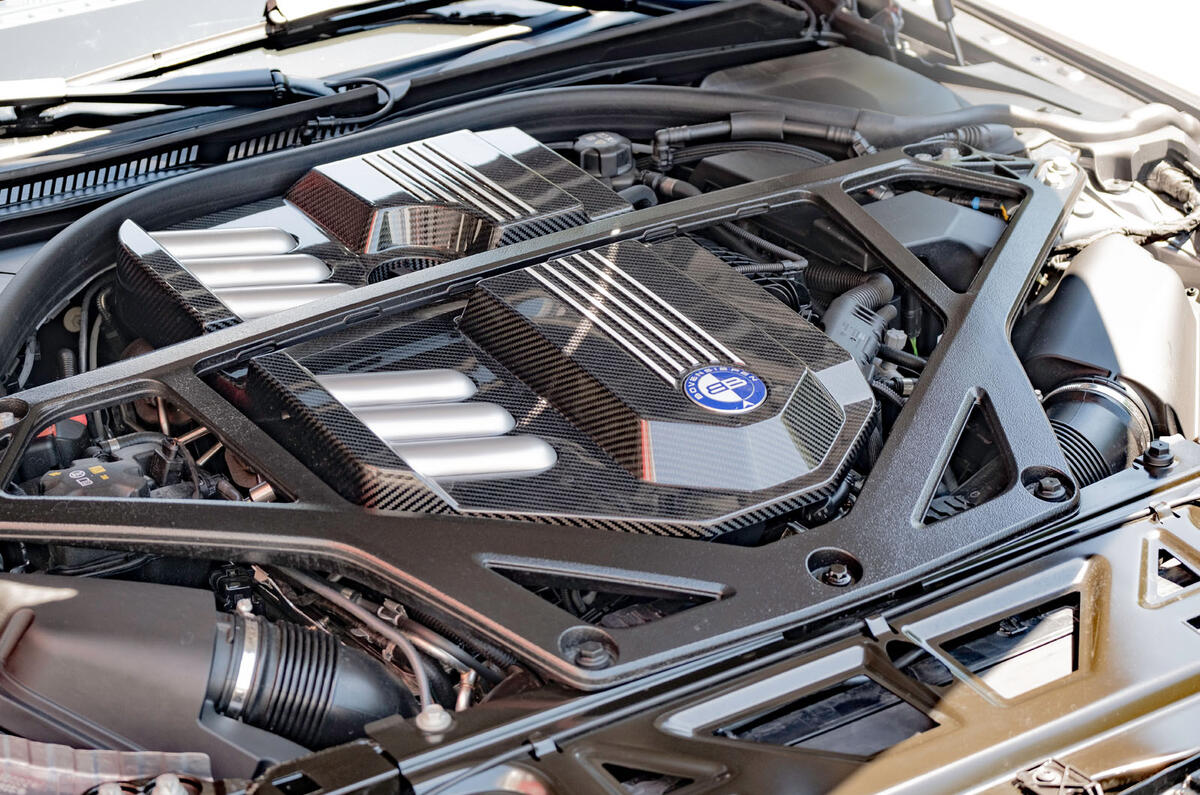
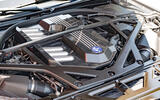
That said, one key difference between the Zagato and Alpinas of yore – even the most special ones – is that rather than being based on a mainline BMW, underneath the full carbon body lurks an M4. An M4 Competition xDrive Convertible. We will come to the implications of the Zagato using a full-blown M base in a moment, but first, why choose the heavier convertible?
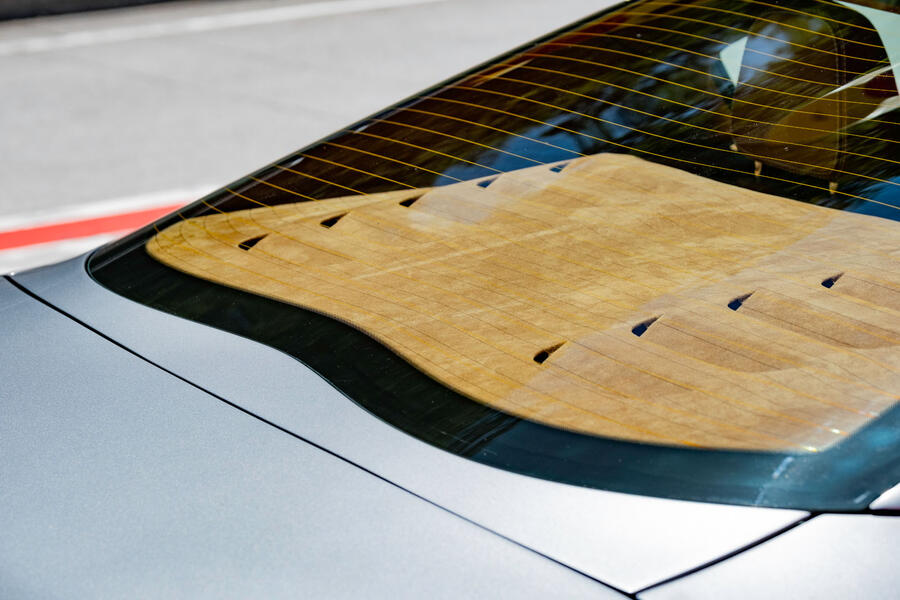
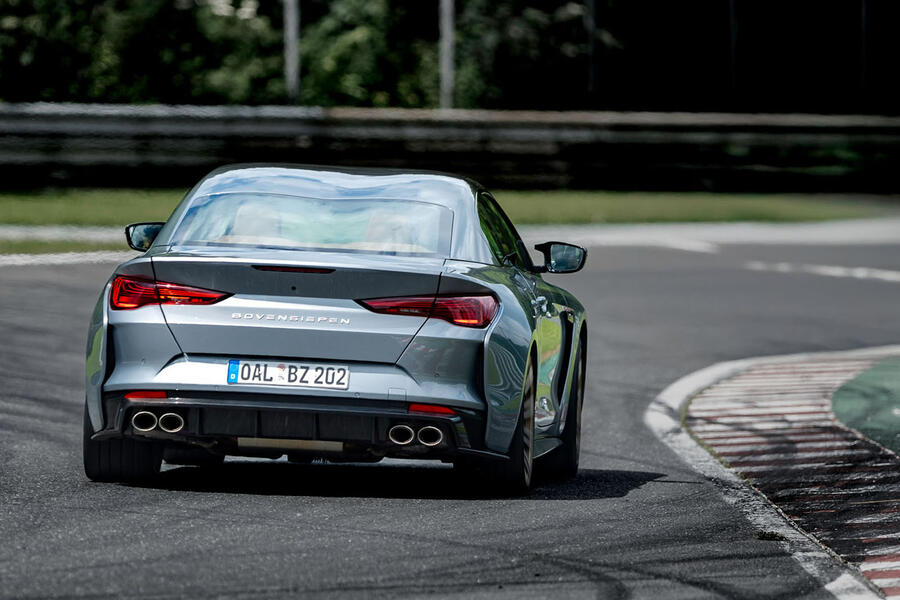
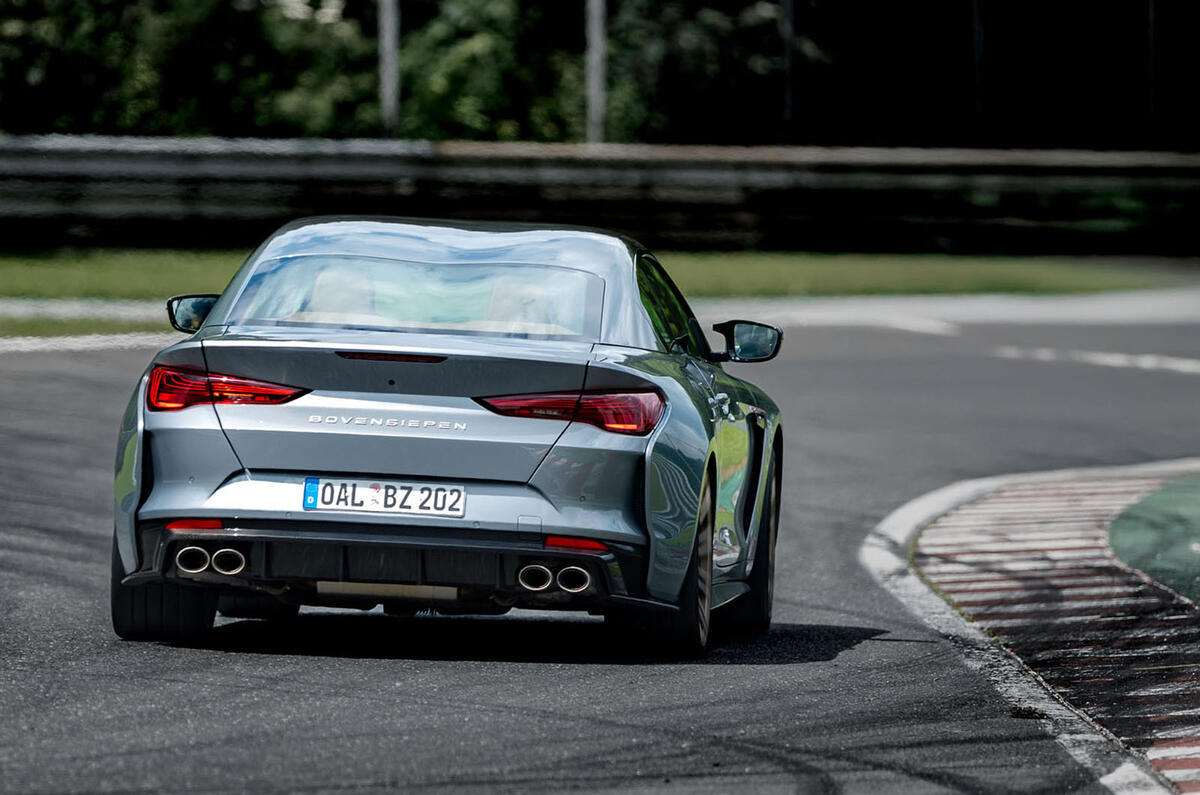
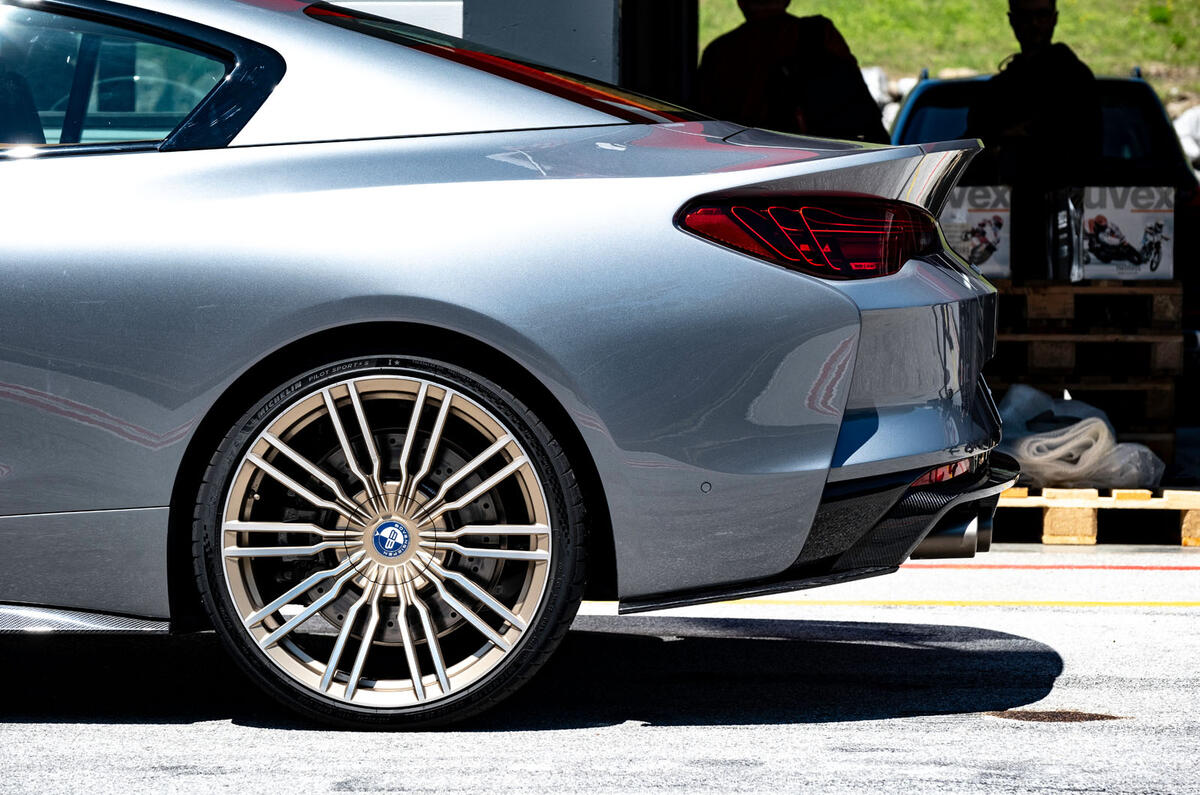
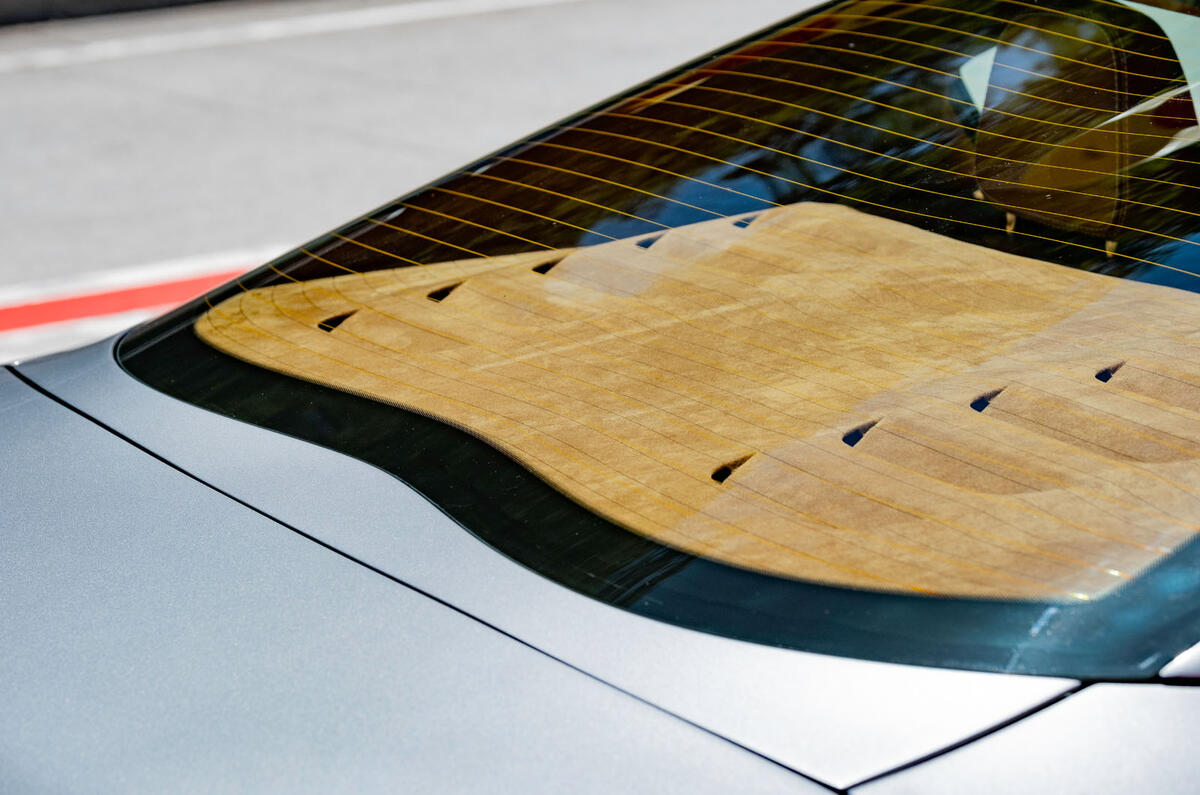
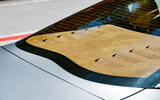
Chiefly because it allowed for the pillarless design that so appeals to company owner and CEO Andreas Bovensiepen. It also meant the double-bubble roofline – a Zagato signature since 1948 – could be designed and fabricated from scratch, then installed without cutting into the donor car’s monocoque. And it was worth it, because the way the contours of the roof flow seamlessly into the rear screen is one of the prettiest things about the car.
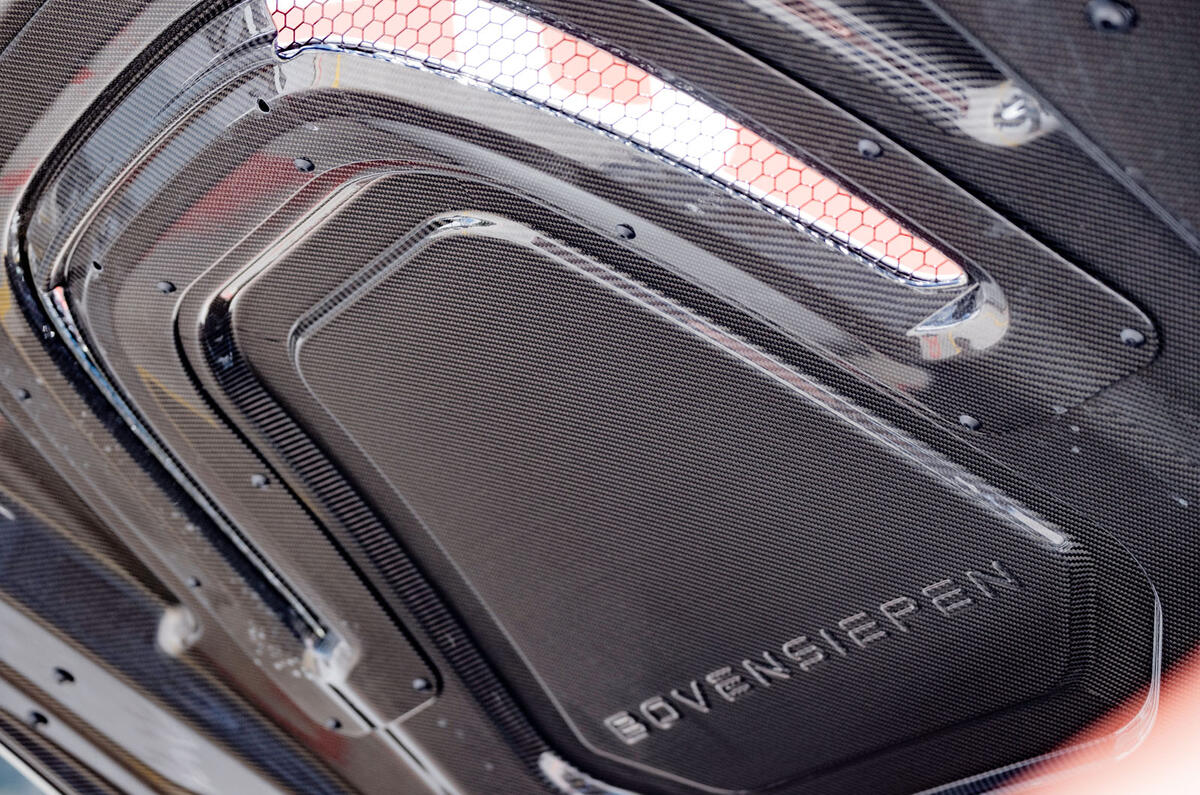
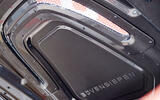
That and the wicked rake of the bonnet, which is 100mm longer than that of an M4 and hides a scything outlet whose existence must be 20% necessity and 80% theatre. It culminates in headlights as low as the BMW architecture allows, and the effect is predatory but undeniably elegant and to these eyes a touch Lagonda.
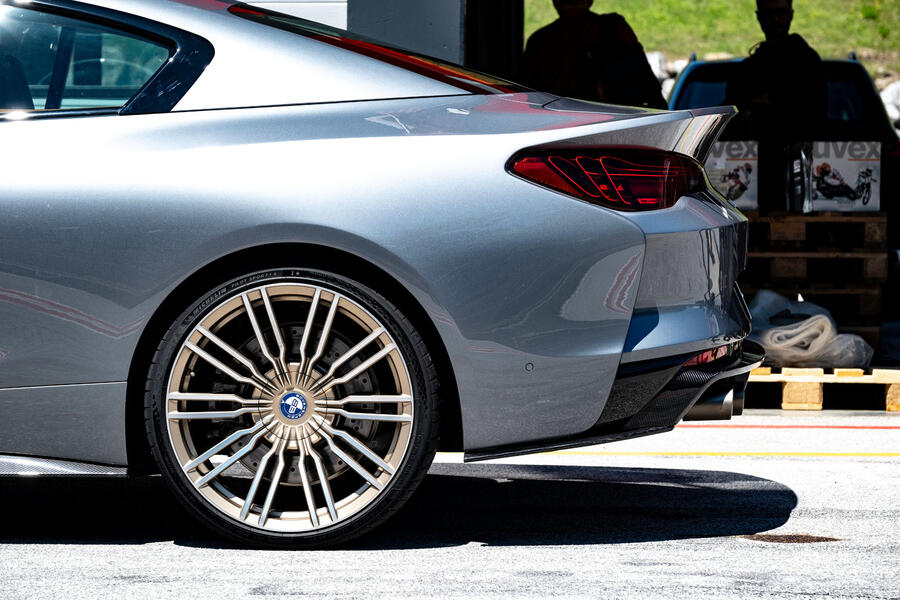
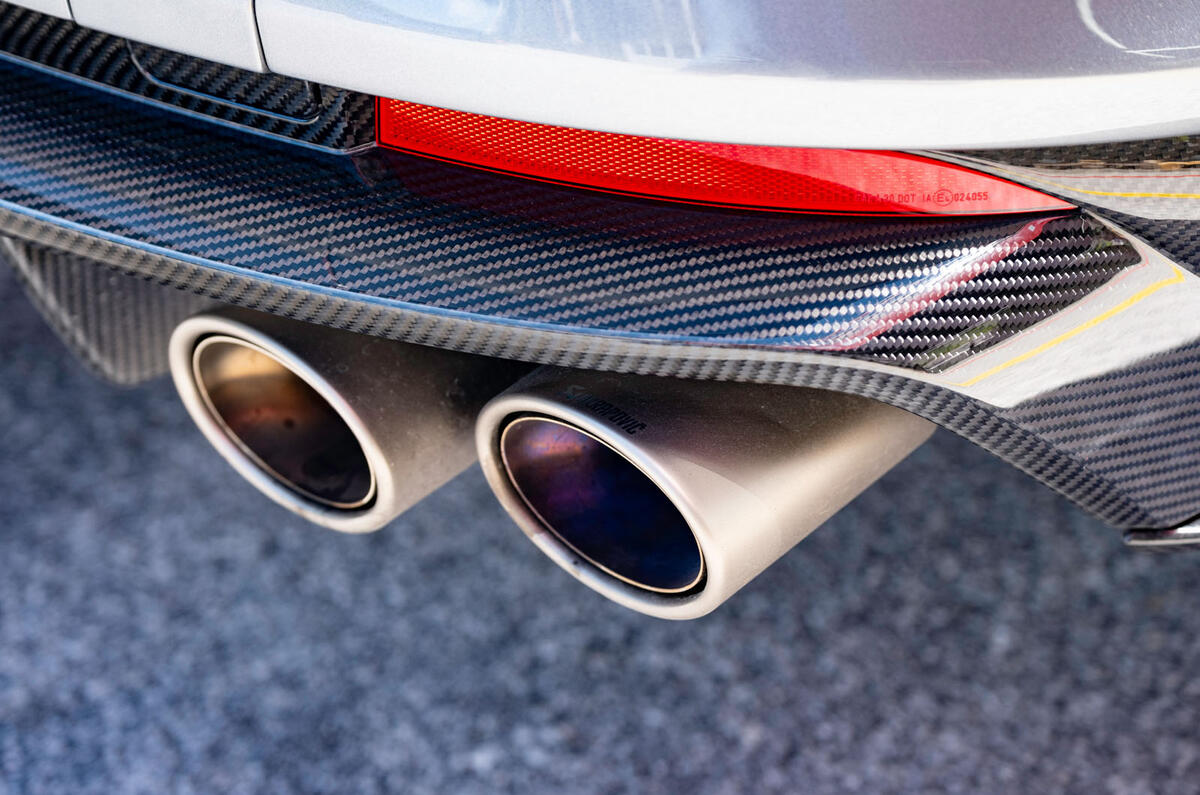
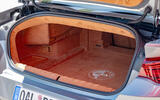
The conversion removes the donor car’s folding roof mechanism. The new body of 12 carbon panels then weighs just 50kg, even with the fixings that pin them to the underlying structure. While the join between the roof and M4 Convertible’s header rail can only be disguised so much, it’s a deft job in the main. If there’s any drawback, it’s that the rear haunches are double-skinned. They form an integral part of the crash structure and the steel couldn’t simply be removed and replaced with carbon, so the latter is laid over the top.