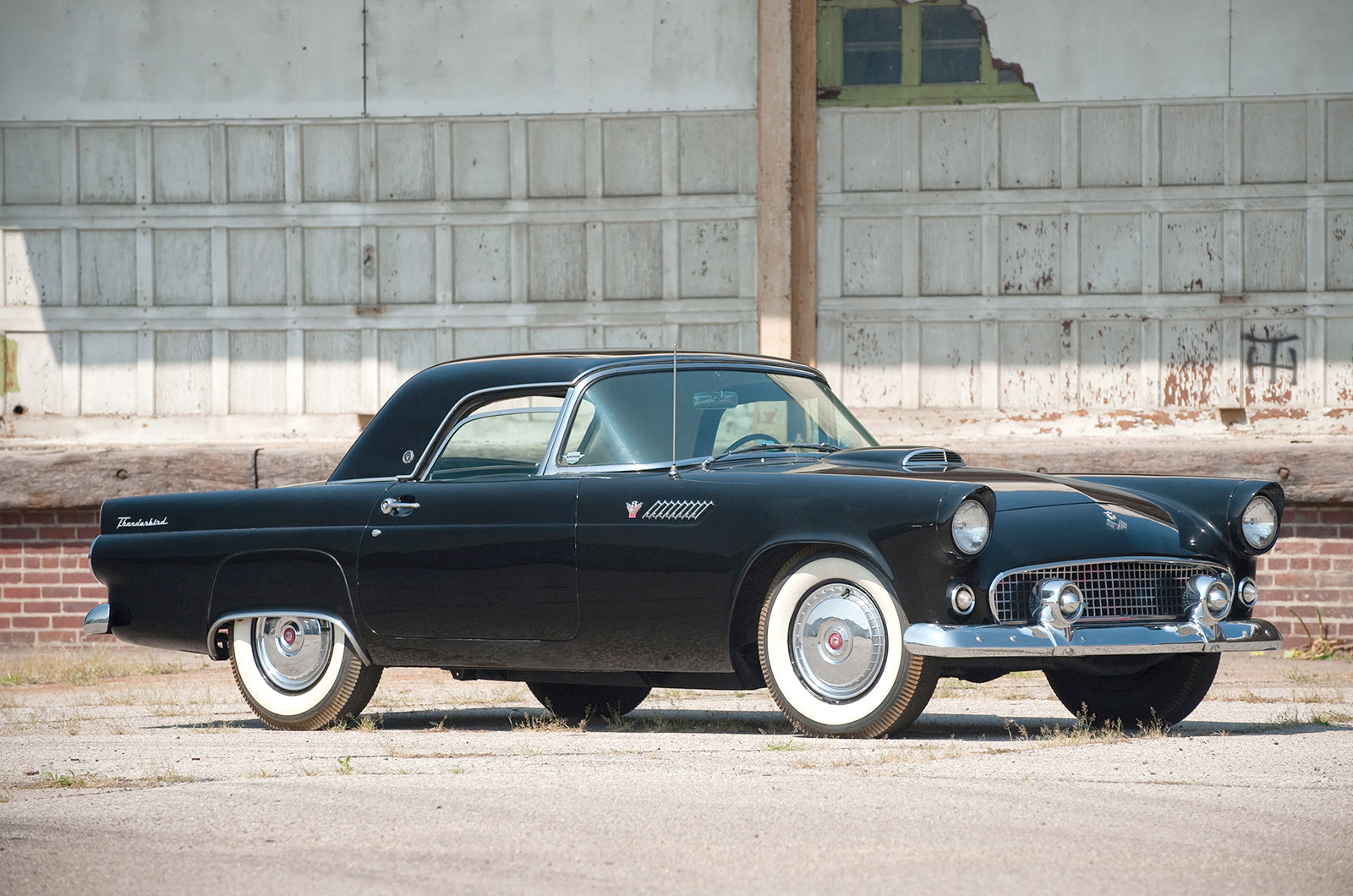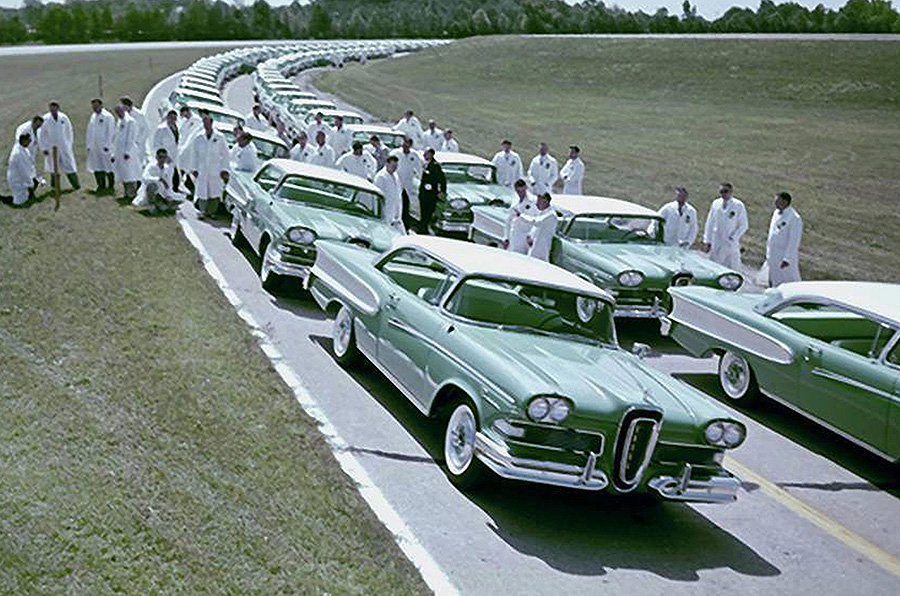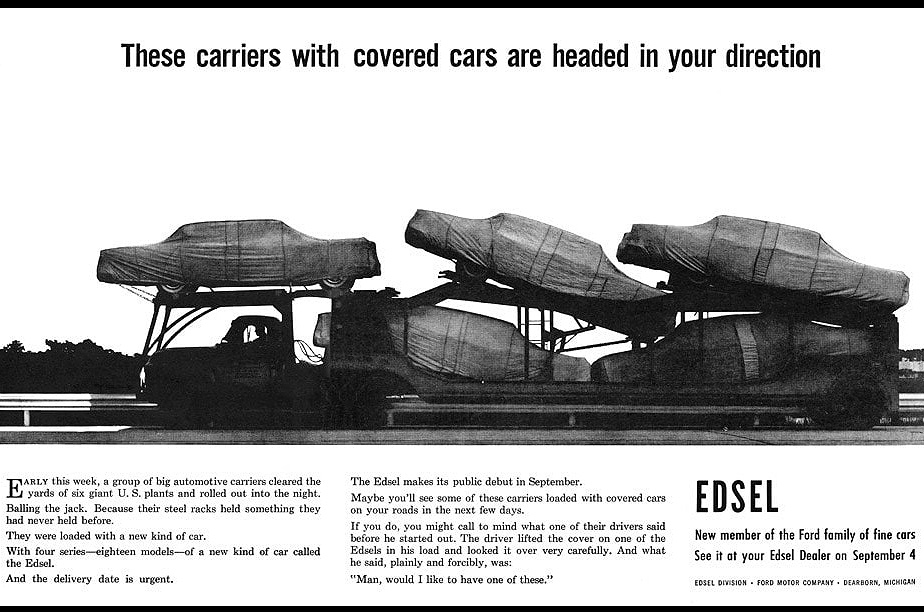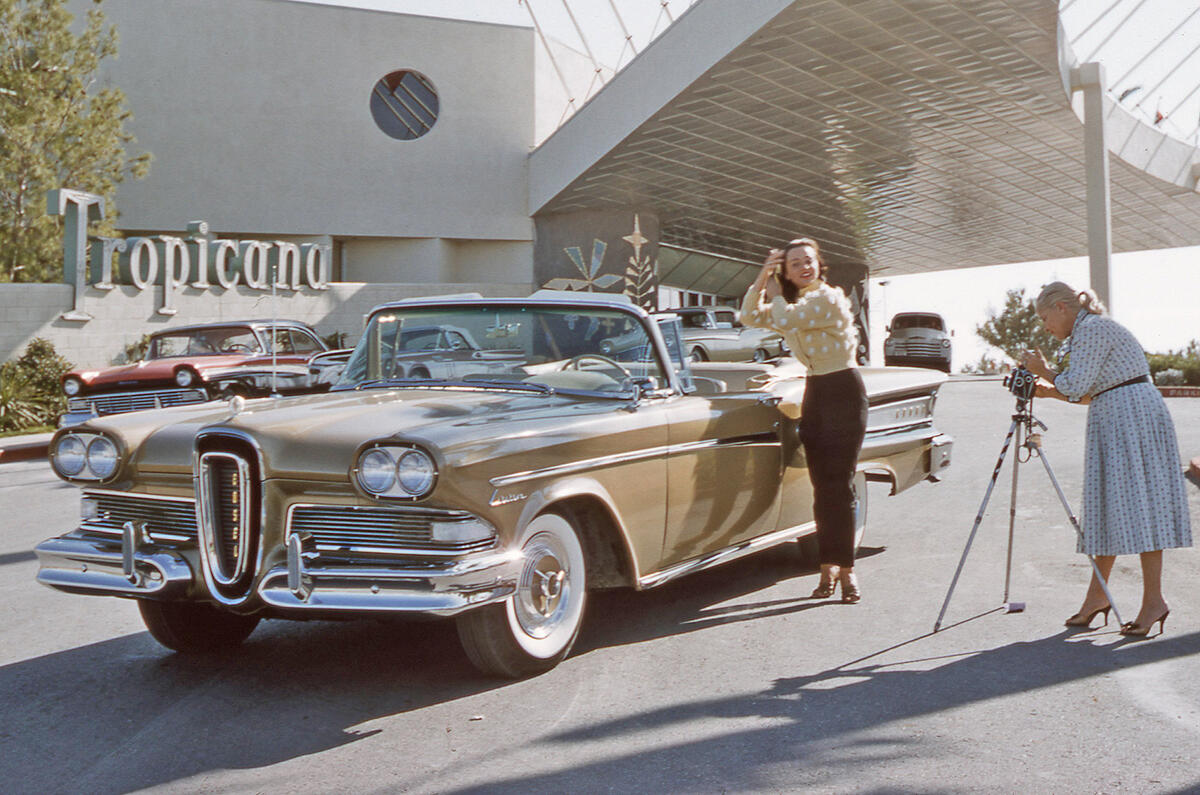

For embarrassing, grand-scale corporate catastrophes there was once only one word: Edsel.
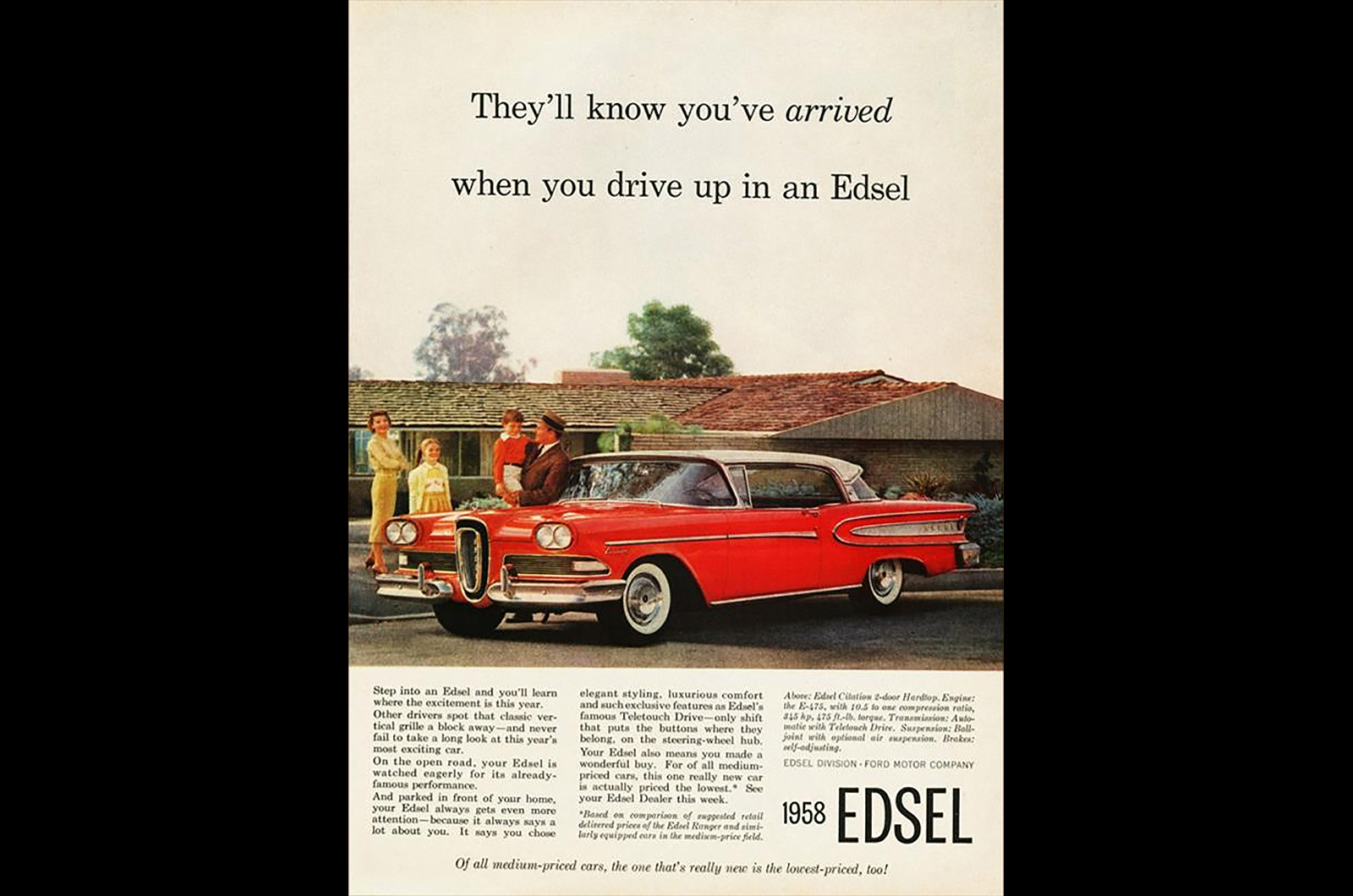
Over 60 years ago, Ford spent $250 million - perhaps $2.5 billion in today’s money - on the launch of a new brand whose chief impact was to become known as one of the worst product launches of all time. The tale behind it became a case study for the corporate world and the name became a synonym for failure.
This is the story of how it was born, how it died on November 19th 1959, and how its failure ironically laid the foundation stone for one of Ford’s most remarkable successes…
Ford v General Motors
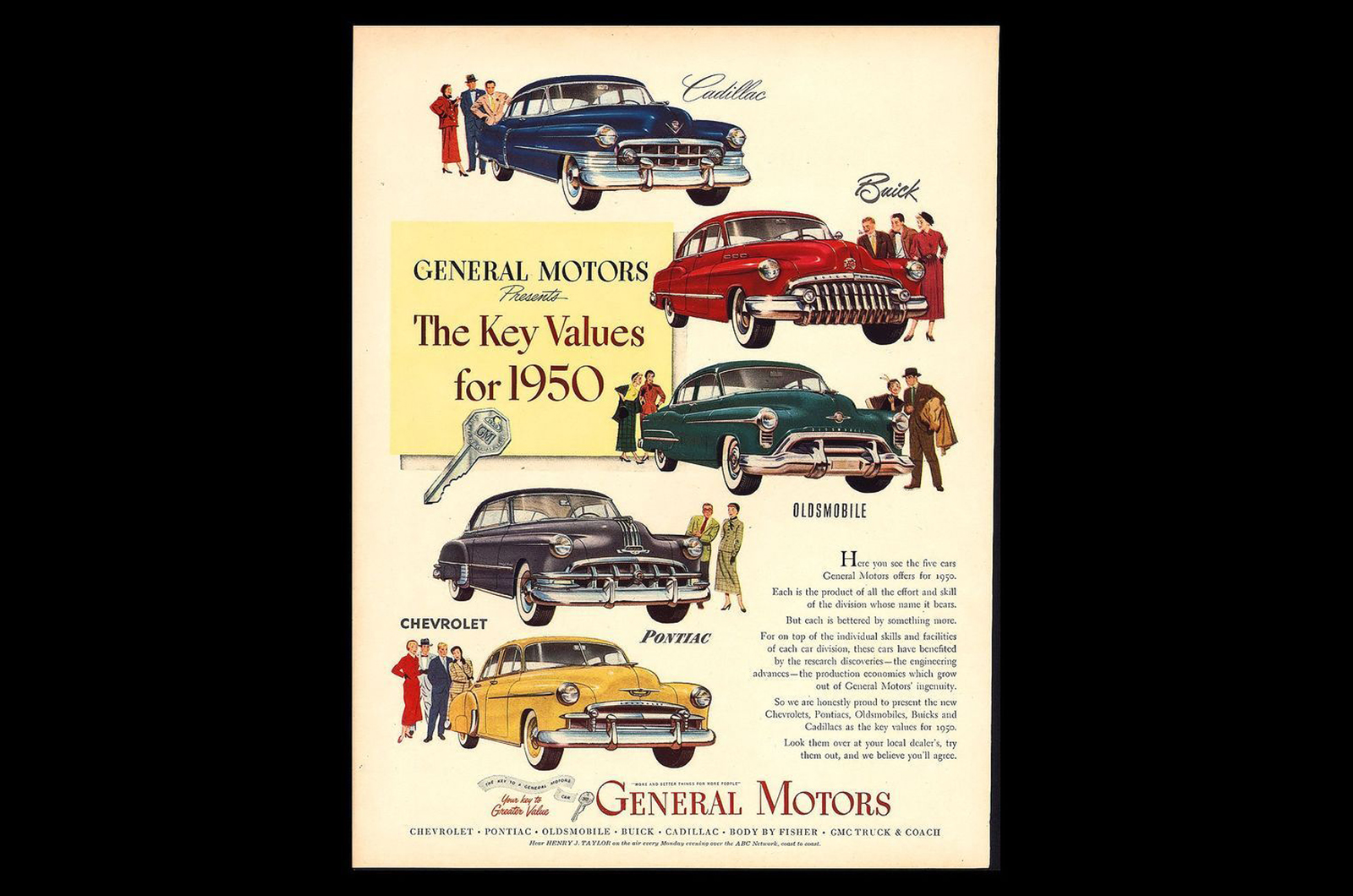
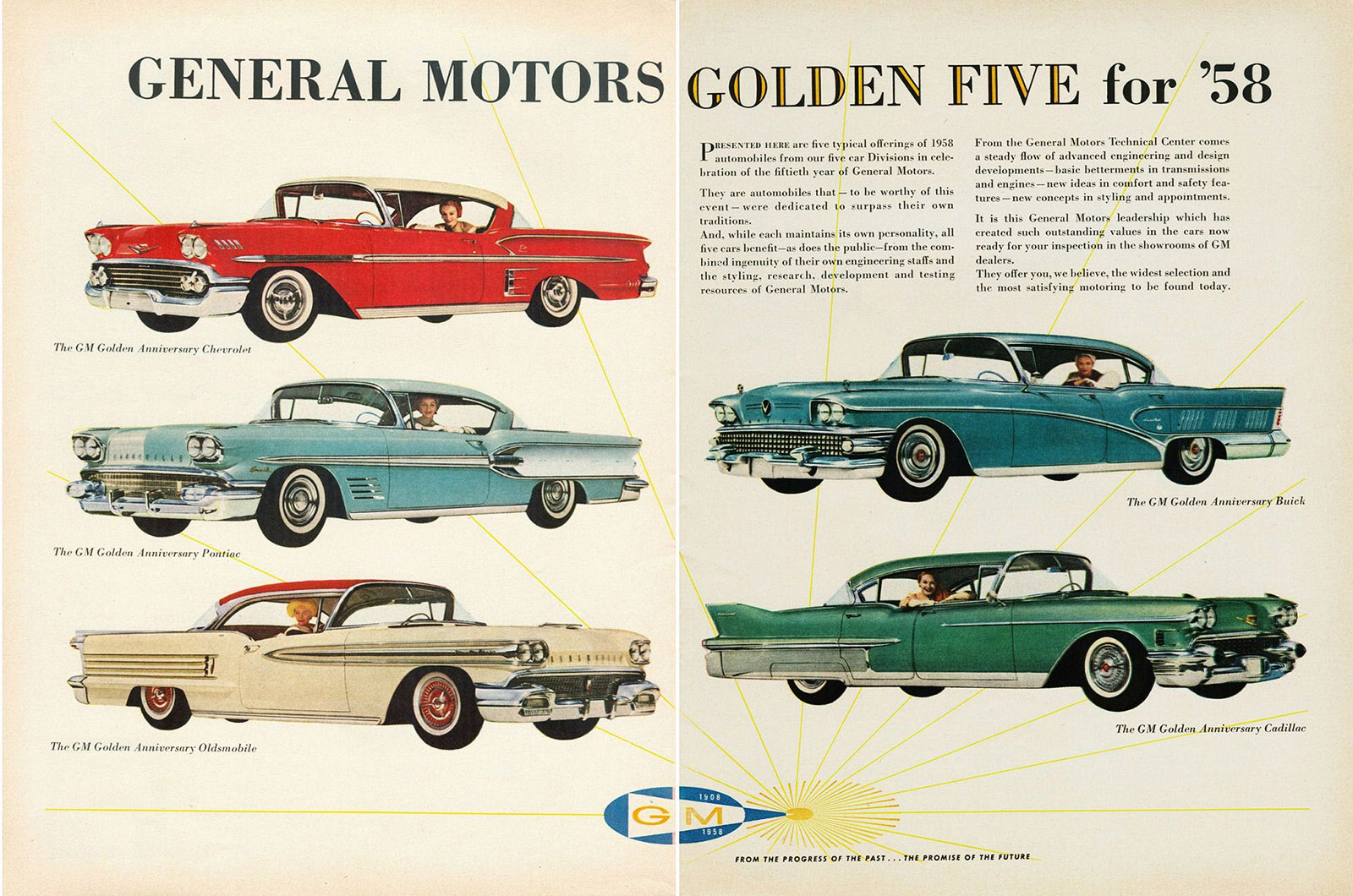
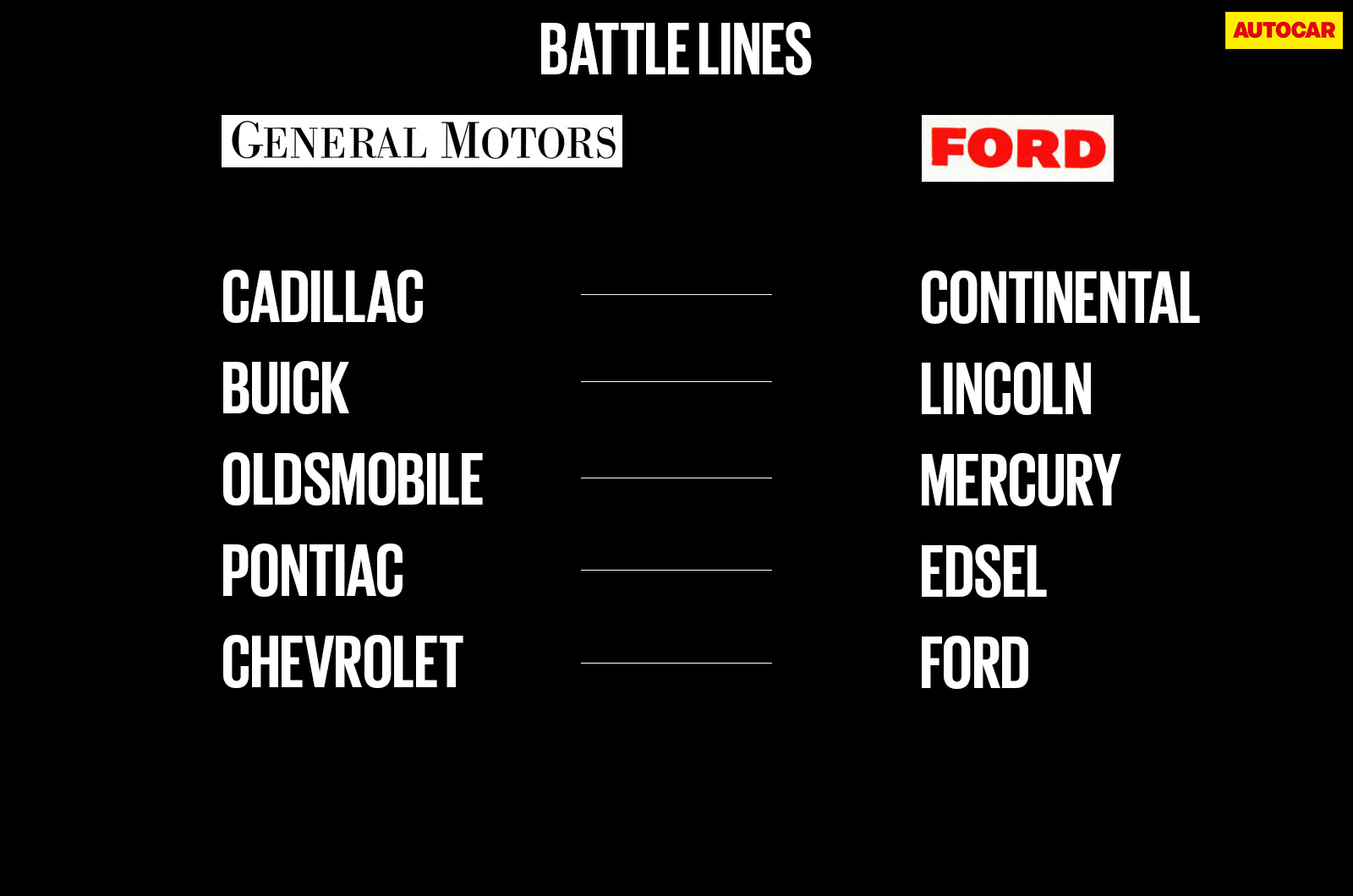
Despite its ultimate failure, the thinking behind the Edsel division was sound. Back in the mid ‘50s Ford had three brands – Ford itself, Mercury and Lincoln – whereas General Motors had five, its mid-range Oldsmobile, Pontiac and Buick marques flanked by affordable Chevrolet and prestigious Cadillac.
Against this trio Ford could only muster Mercury, but neither this nor upscale Lincoln were profitable, in stark contrast to GM’s money-making armoury of marques. The problem was hardly new. Ford had been grappling with it since the 1920s, with the rise of the multi-brand General Motors.
Why it took three decades to mount a full-scale riposte is a story worthy of Netflix. Jealousy, intransigence, hubris and empire-building produced paralysis, poor decisions, few winners and many losers.
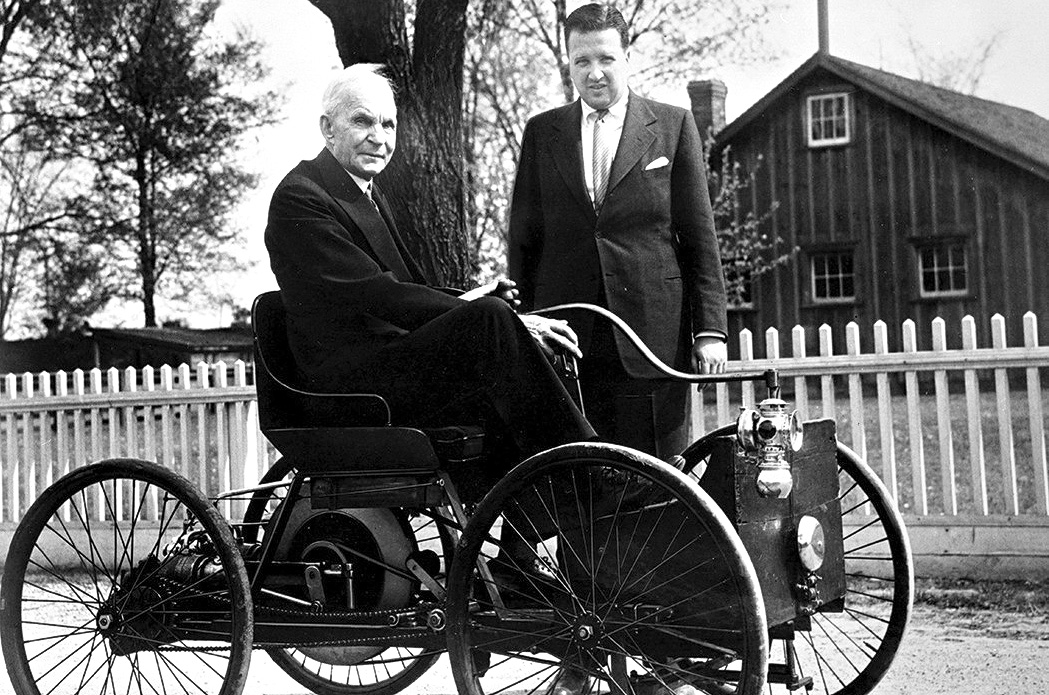
Henry Ford & Ford Model T
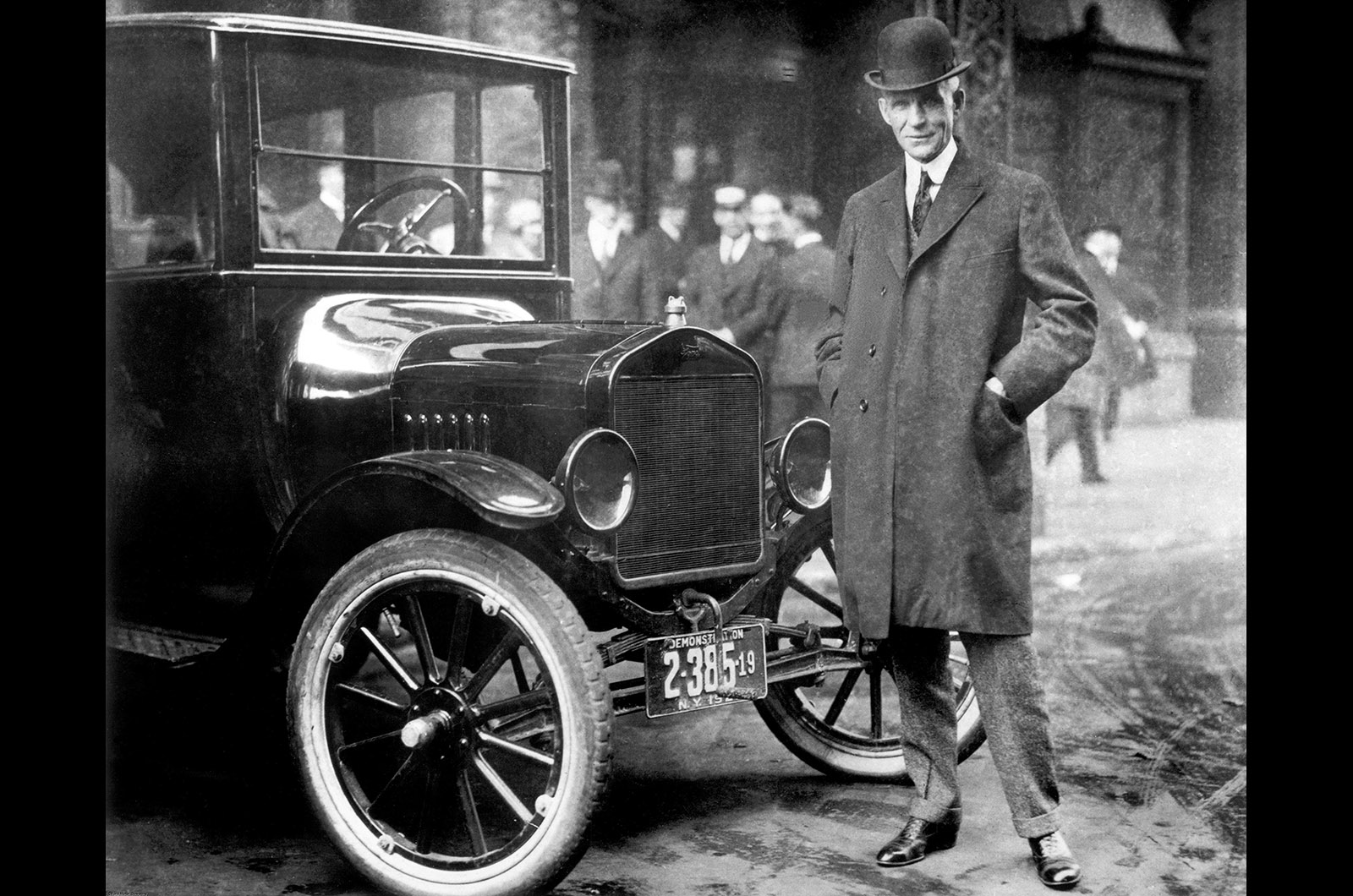
This is the car that democratised motoring, pictured with its creator. Outsold only by the VW Beetle, it made Henry Ford (1863-1947) richer than some countries. But he would later refuse to change his ways, or the car that had propelled him there. By 1927, Ford’s US market share had plunged to 19% from 48% in 1922. The Model T was old, and newly affluent buyers were trading up. Ford had nothing to offer them - but GM did. Ford belatedly realised it was making customers for GM.
Alfred P Sloan
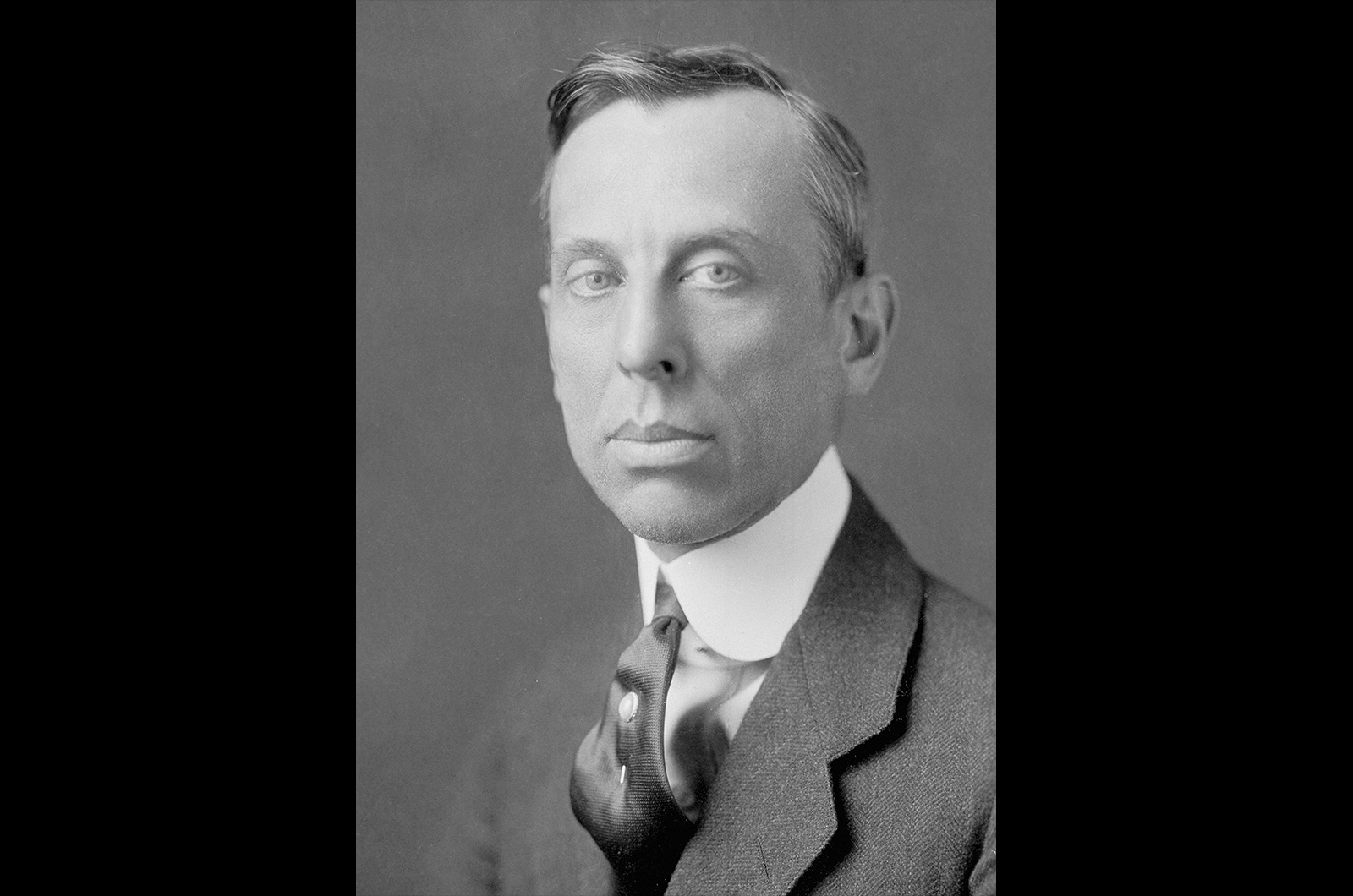
Alfred P Sloan (1875-1966) is a major reason why we car buyers have enjoyed so much choice for so long. He was the architect behind the revival of 1920s General Motors and its mish-mash of money-losing brands accumulated by its co-founder, the fairy-tale charming, corporate shopaholic that was William C. Durant (1861-1947).
Sloan arranged brands and models hierarchically to produce “a car for every purse and purpose,” his industrial enabler the canny sharing of bodies across brands, each flaunting a distinctive, add-on décor.
Edsel Ford
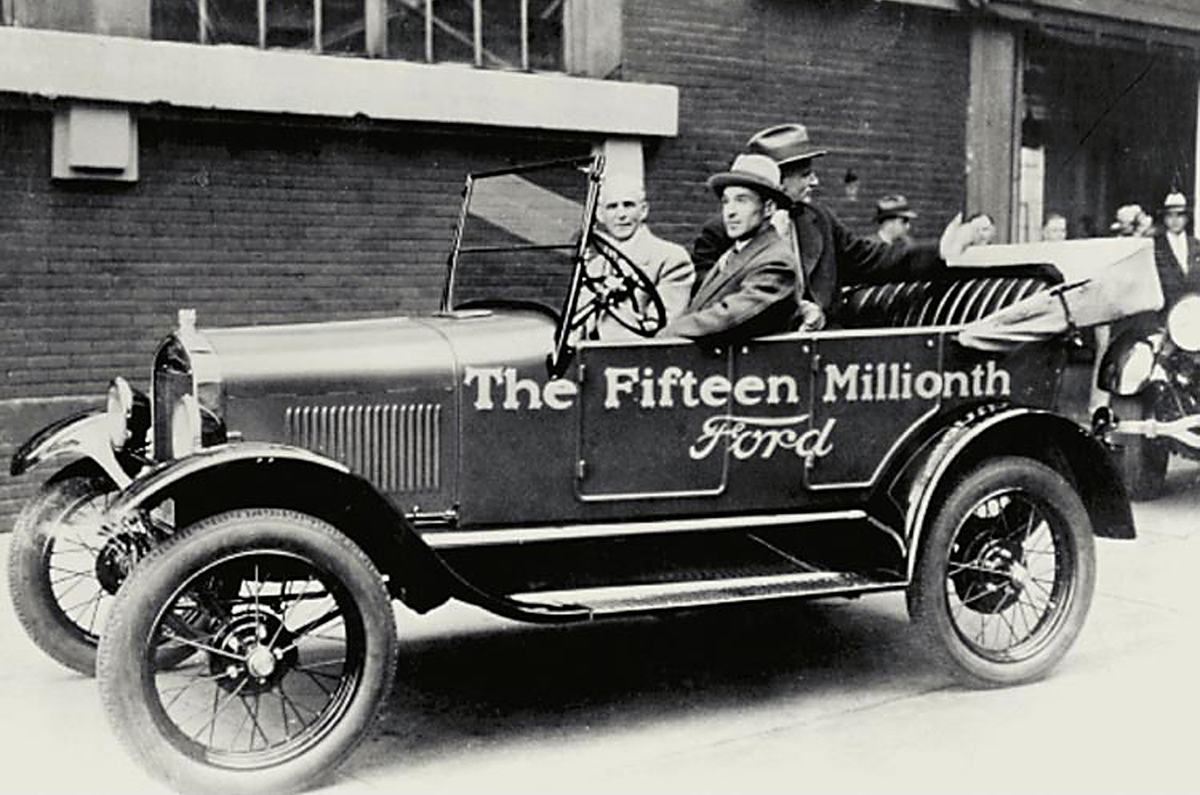
It was Henry Ford’s son Edsel Ford (1893-1943, pictured driving here) who finally convinced his father (alongside him) to replace the Model T – so abruptly, that there was a gap between the T’s demise and the Model A’s introduction. He also persuaded his father to buy struggling luxury marque Lincoln, which Edsel successfully revived.
1936 Lincoln-Zephyr
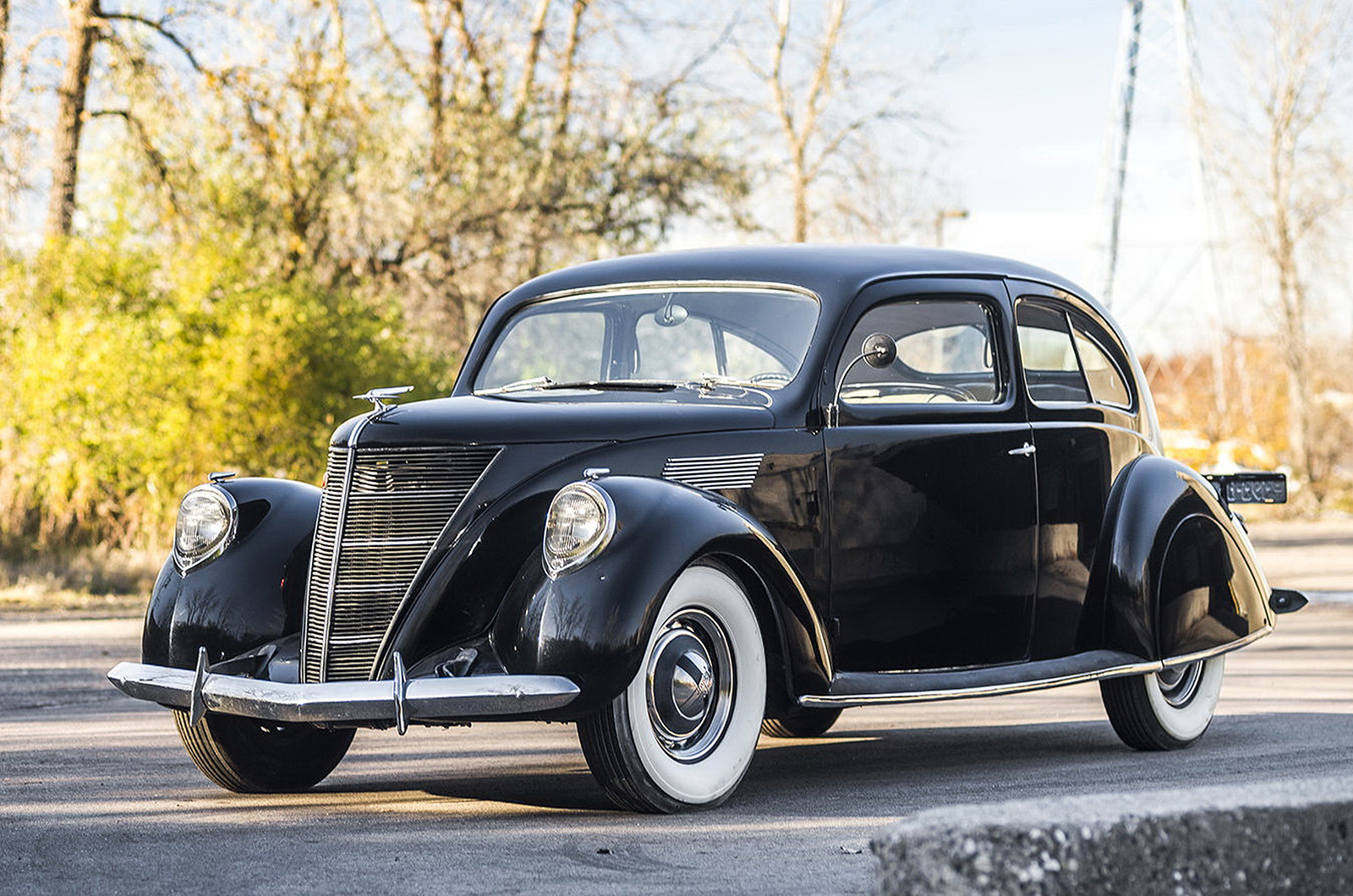
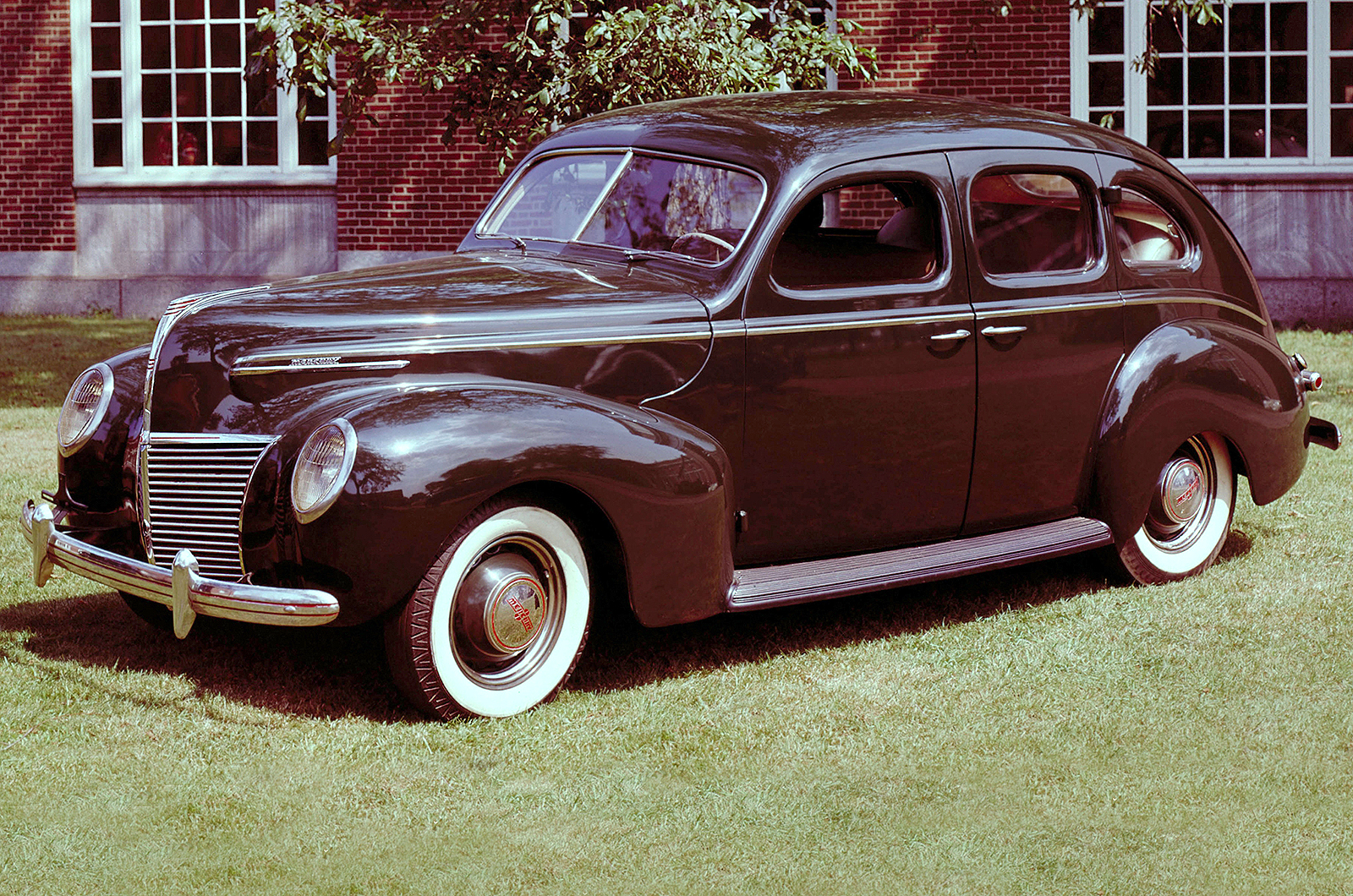
The streamlined, art deco V12 Lincoln-Zephyr was Ford’s first medium-priced model. Conceived by Edsel Ford, it sold well enough to rescue Lincoln, despite being too pricey to win a big chunk of the segment.