Defining the word 'greatest' isn't easy in this context.
After all, it could mean the biggest, the most powerful, the most relevant, the most exciting – or a combination of these things. So when choosing our 50 favourite road car engines, to be in with a chance of consideration each powerplant has to be either built in huge numbers, or really get our juices flowing – and ideally a combination of the two. Let’s take a look at what we reckon are the best, in chronological order:
Ford flathead V8 (1932)
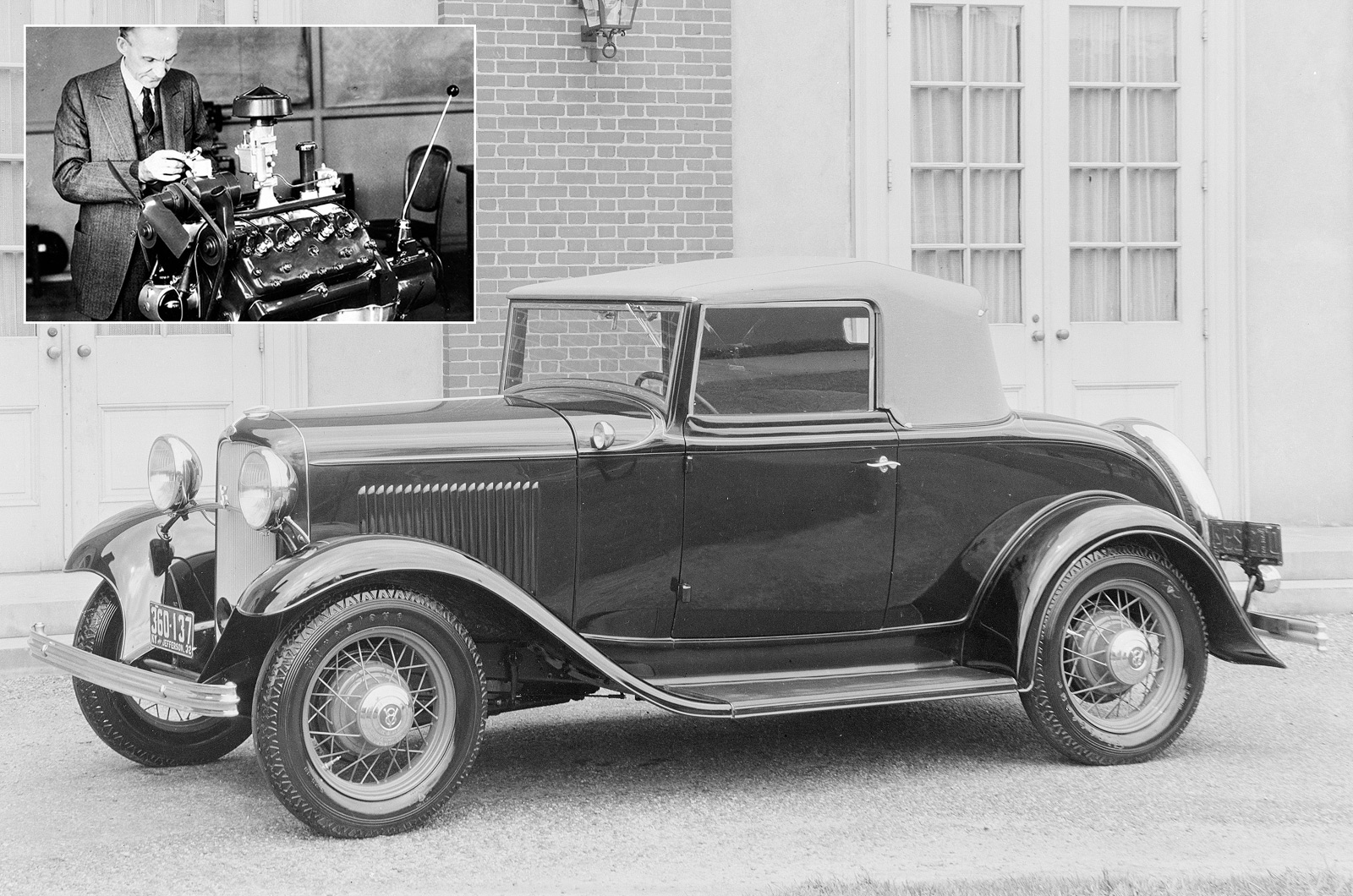
In the 1920s many family cars could barely crack 40mph. Then Ford introduced its flathead V8 and suddenly much greater numbers of car buyers could acquire a car that could sit at 60mph all day long. The flathead V8 wasn't all that efficient but it was simple, tough and reliable, which is why it remained in production in Ford's cars until 1954 but incredibly it was used in Simca military trucks until the 1990s. It was the final major engineering contribution by Henry Ford (pictured) to the company.
Volkswagen flat-four (1936)
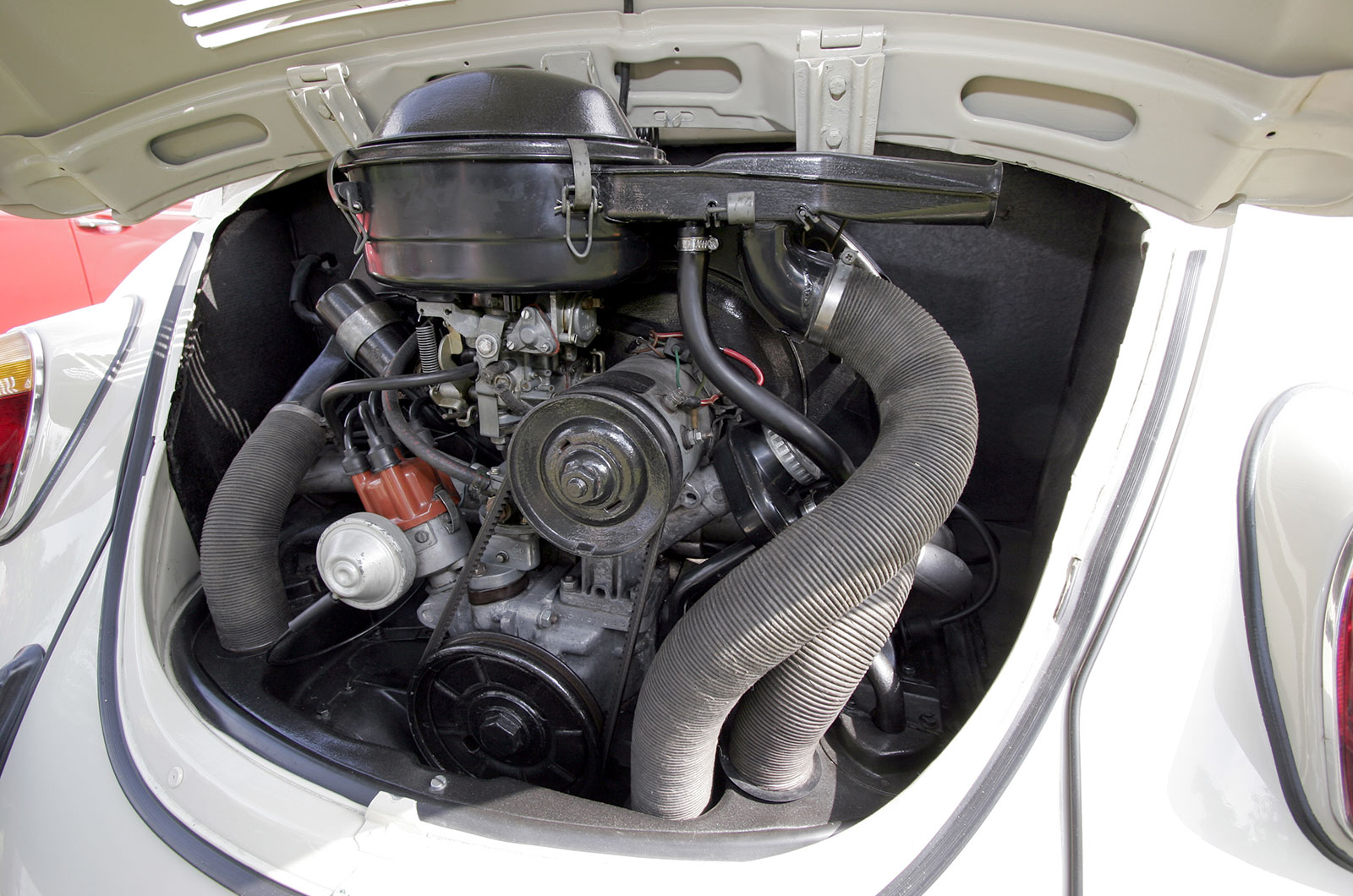
The Beetle is one of the biggest-selling cars in history and every one of them was powered by an air-cooled flat-four. Initially it was an 1131cc unit, but by the time the final air-cooled Beetle was built this had swollen to 1584cc, although displacements of up to 2.0 litres were offered in the Type 4. The same engine powered the Type 2 camper and Transporter – and provided the basis for the Porsche 356's powerplant.
Ferrari Colombo V12 (1947)
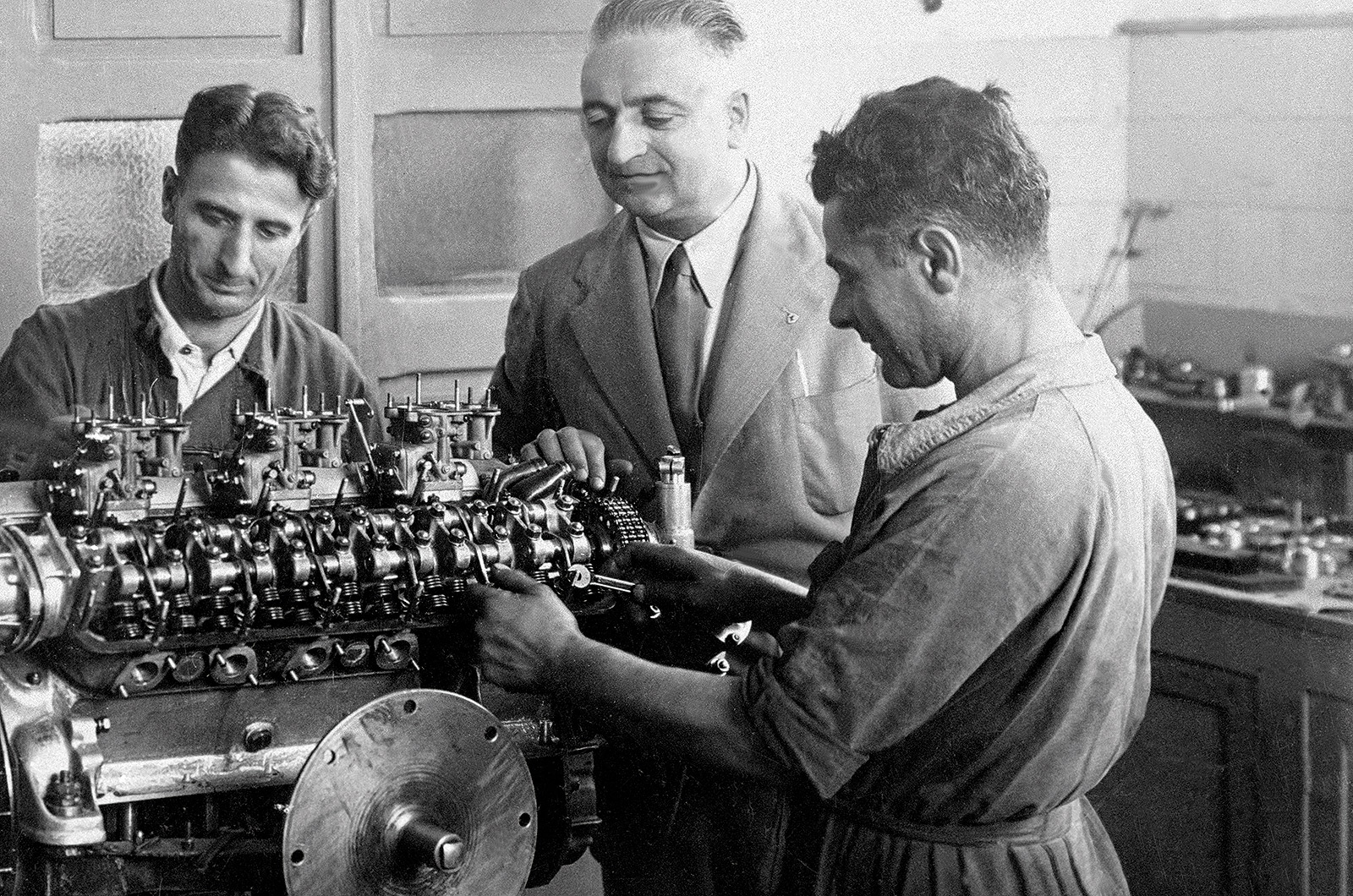
In a world of 2.0-litre four-cylinder engines, the idea of a 1.5-litre powerplant featuring 12 cylinders might seem utterly bonkers. But that was the specification of the first Ferrari engines; the 125 featured a 1497cc unit rated at 116bhp. By the time the Colombo-designed V12 bowed out in 1989, when the 412i was axed, the displacement had grown to 4.9 litres and the power output had jumped to 318bhp. Along the way we'd have numerous iterations of the 250, the 275 and the 365GTB/4, better known as the Daytona.
Citroën flat-twin (1948)
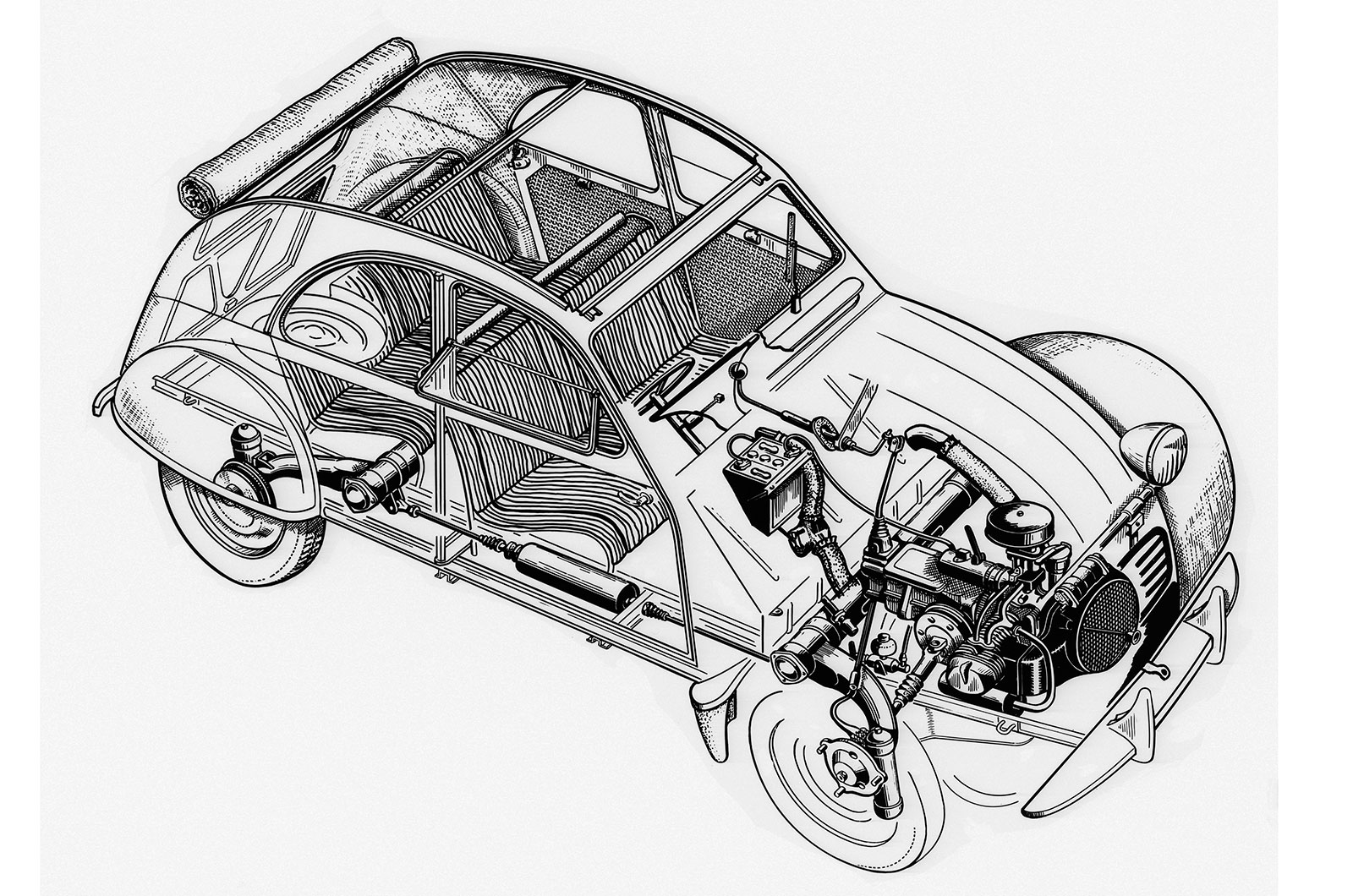
There can be no denying that the Citroën 2CV (pictured) was a landmark car, and part of its charm was the noise generated by the brilliantly over-engineered air-cooled flat-twin that sat in the nose. Initially seen in 375cc form, later would come 425cc, 435cc and finally 602cc versions of this Gallic powerplant, which was also fitted to the Ami, Visa, Mehari, Dyane, Bijou and Acadiane.
Jaguar XK (1948)
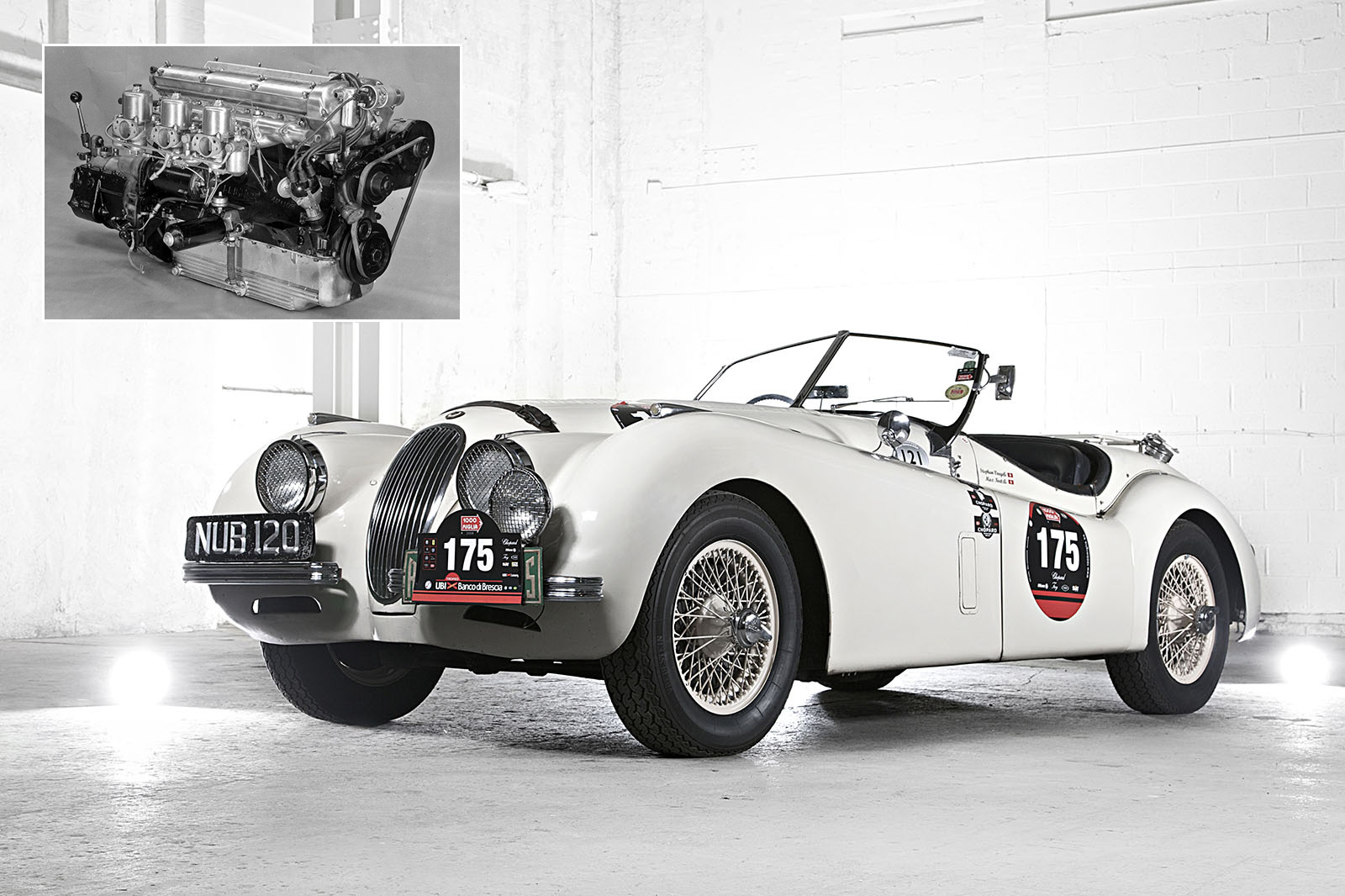
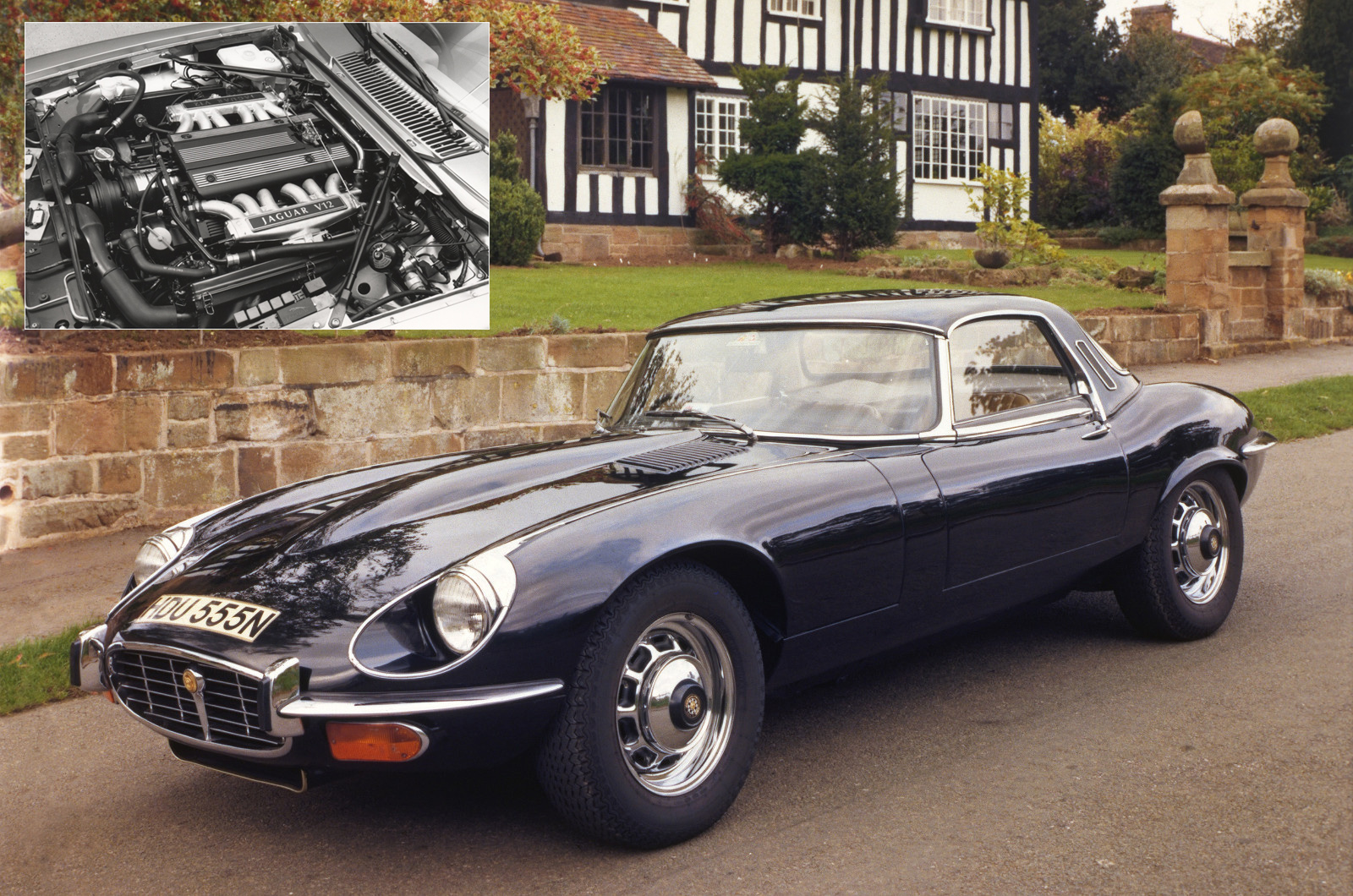
First seen in the XK120 of 1948, the Jaguar XK straight-six powered the E-Type, XJ, C-Type, D-Type and Mk1/Mk2 among others, with displacements running from 2.4 through to 4.2 litres. The XK engine gave Jaguar five victories at Le Mans and provided motive power for Coventry's finest right the way up to 1992, by which point almost 700,000 copies had been produced.
BMC A-Series (1951)
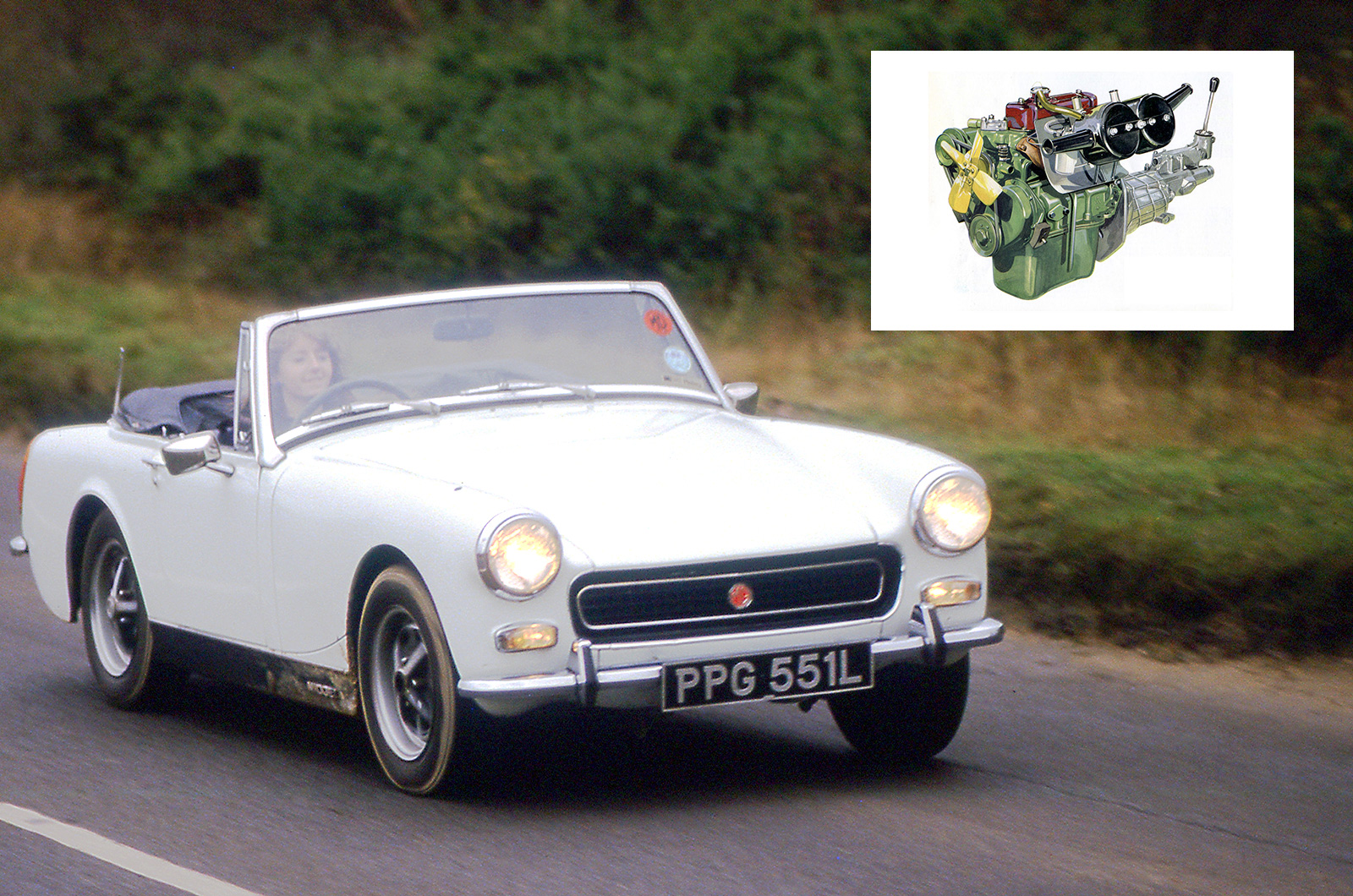
In production for half a century (1951-2000), the A-Series engine was first used in the Austin A30 and went on to power a massive array of cars including the Morris Minor, Austin Healey Sprite and MG Midget (pictured), Austin Allego, Morris Marina, Austin Metro and all editions of the Mini. Easy to tune and offered in displacements from 803cc up to 1275cc (but expandable to a reliable 1380cc), the A-Series engine has been enjoyed by millions of drivers – including vast numbers of racers.