































The office is a quiet place at this time of year. When I do get a chance to look around from the bustling road test desk, it's clear that most of the news desk have upped sticks and left for one of the biggest events in the motoring calendar: the Frankfurt Motor Show.
As usual, it's shaping up to be extremely exciting. There are new cars from the likes of Alfa Romeo, Jaguar, Bentley, Maserati and Mercedes-Benz, all of which are packed with the latest in chassis and safety technology. It's exciting on a personal level, because in time, I'll get the chance to pit these cars against the best in their classes, and witness first-hand another automotive evolution.
Of course, however, it's exciting for anybody. We often forget that cars are some of the most complex products it's possible to buy, and the manufacturers of them are constantly under pressure to make them cleaner and safer, yet cheaper and more luxurious, forcing huge leaps in technology.
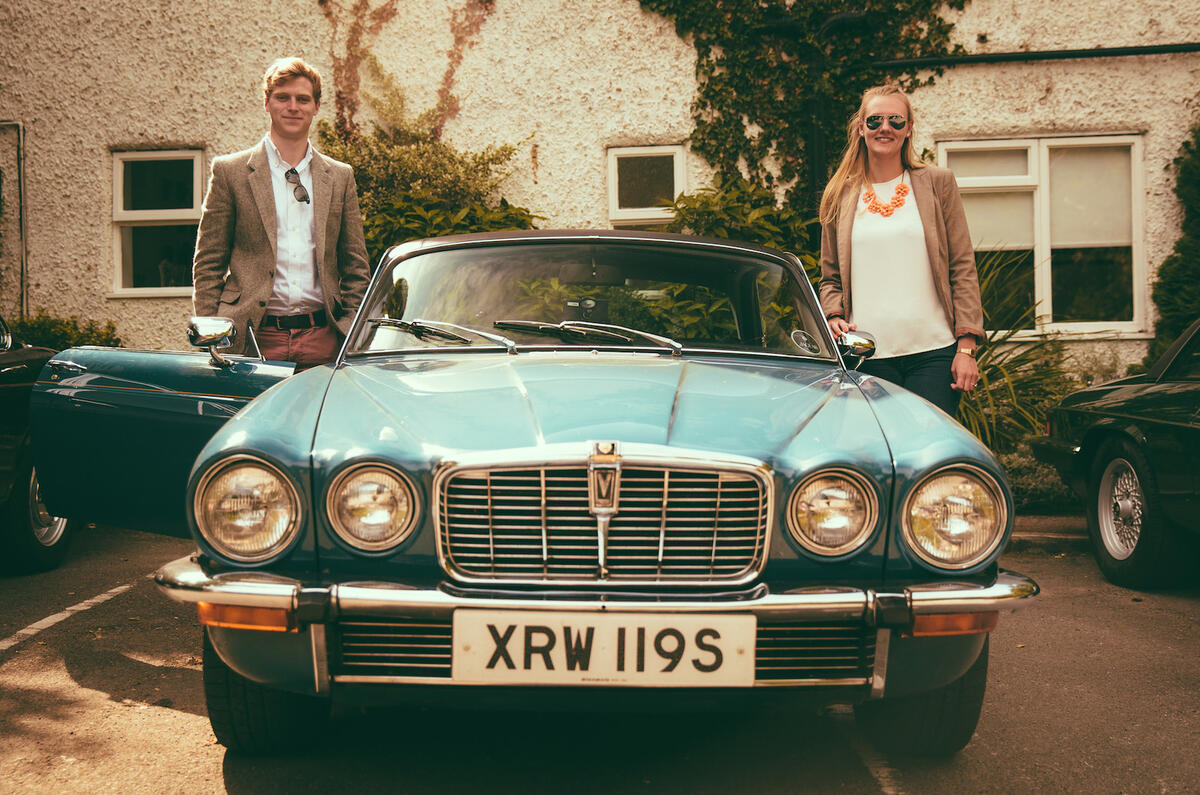
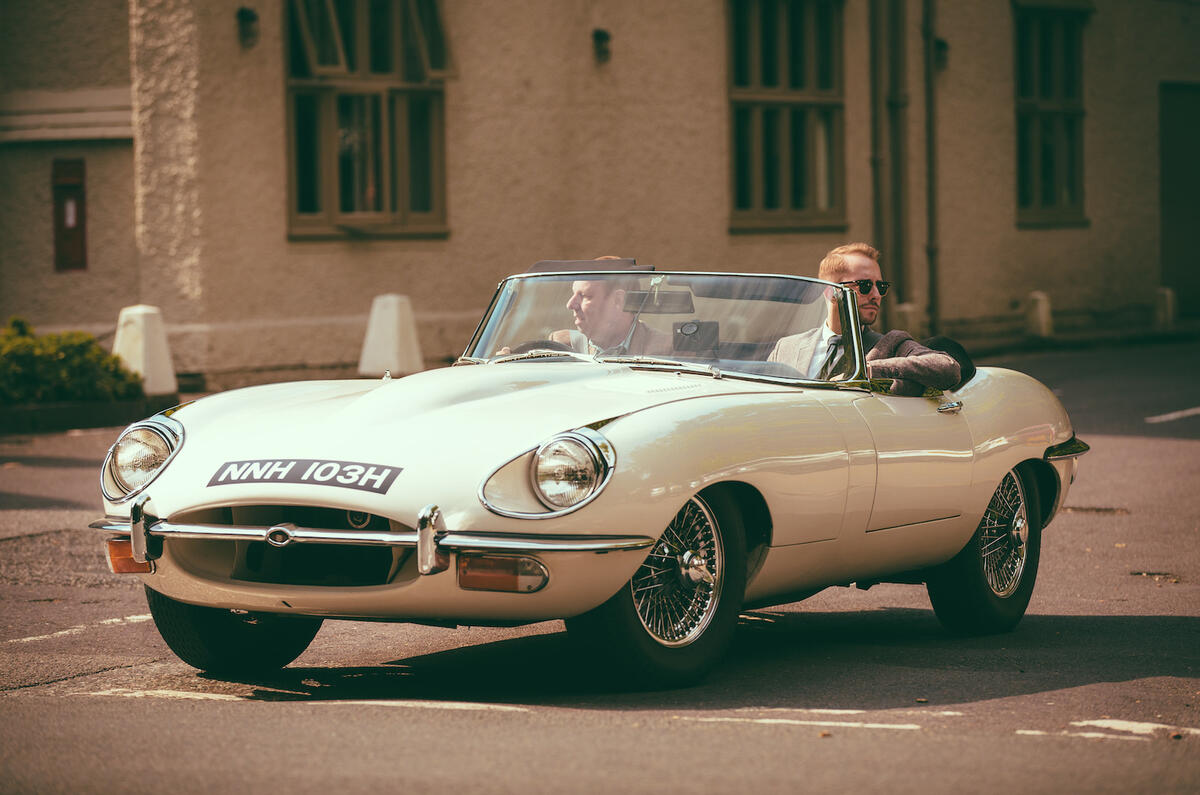
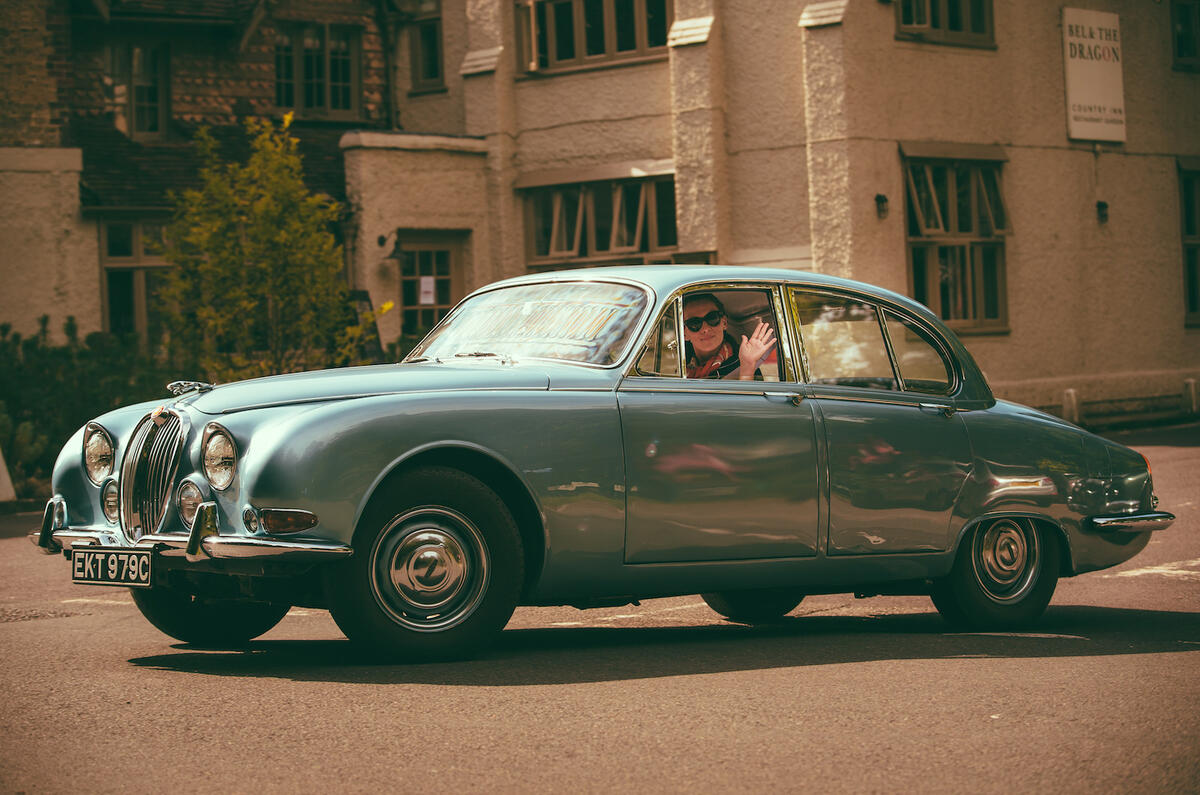
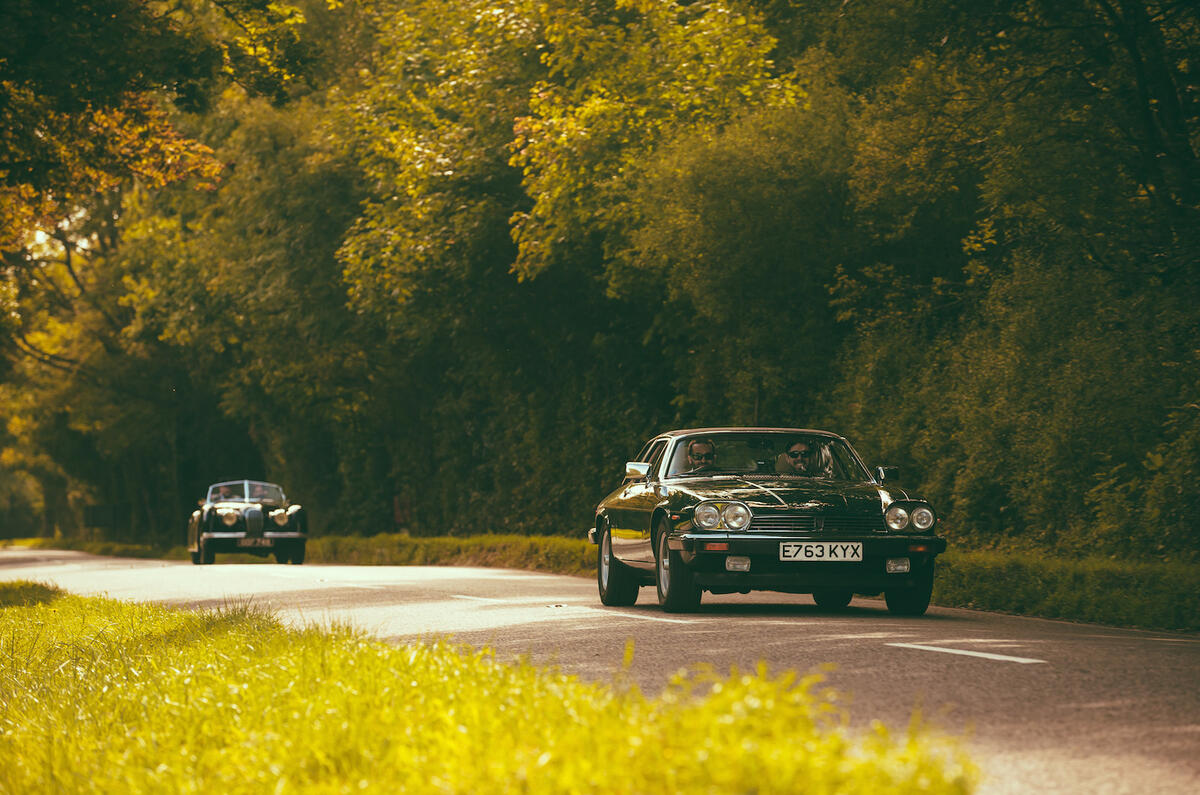
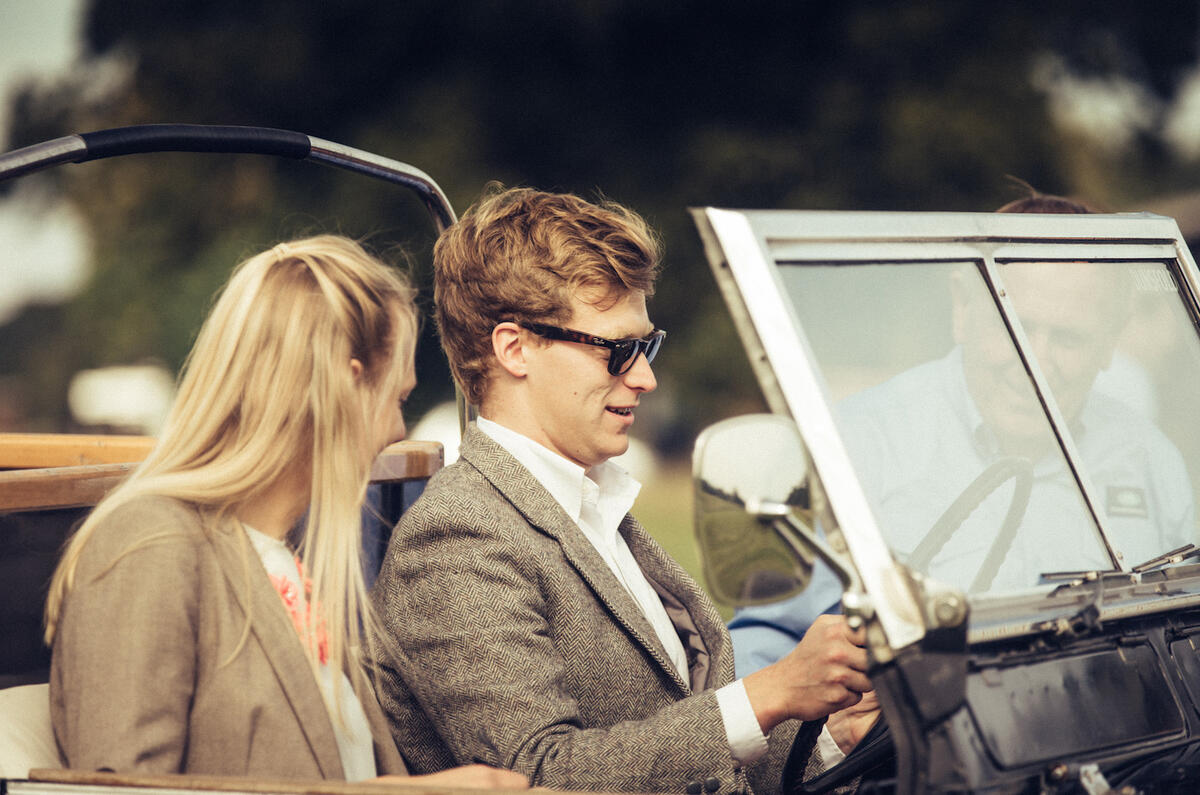
It's interesting, then, that like many car lovers, I've just returned from Goodwood Revival, an event that has been set up to celebrate the exact opposite. It instead forces people to look backwards, to the 1940s, 1950s and 1960s, to a time when the automotive world wasn't as clean or as safe, but every bit as exciting.
Back then, talking to your car to switch on the radio or waving your hand in front of the dashboard to move through menus must have seemed resigned to sci-fi movies. Today we're doing that, as well as being guided between white lines, instantly connected with emergency services in the unfortunate event of an accident, while hopefully stopped from having them in the first place by radar.
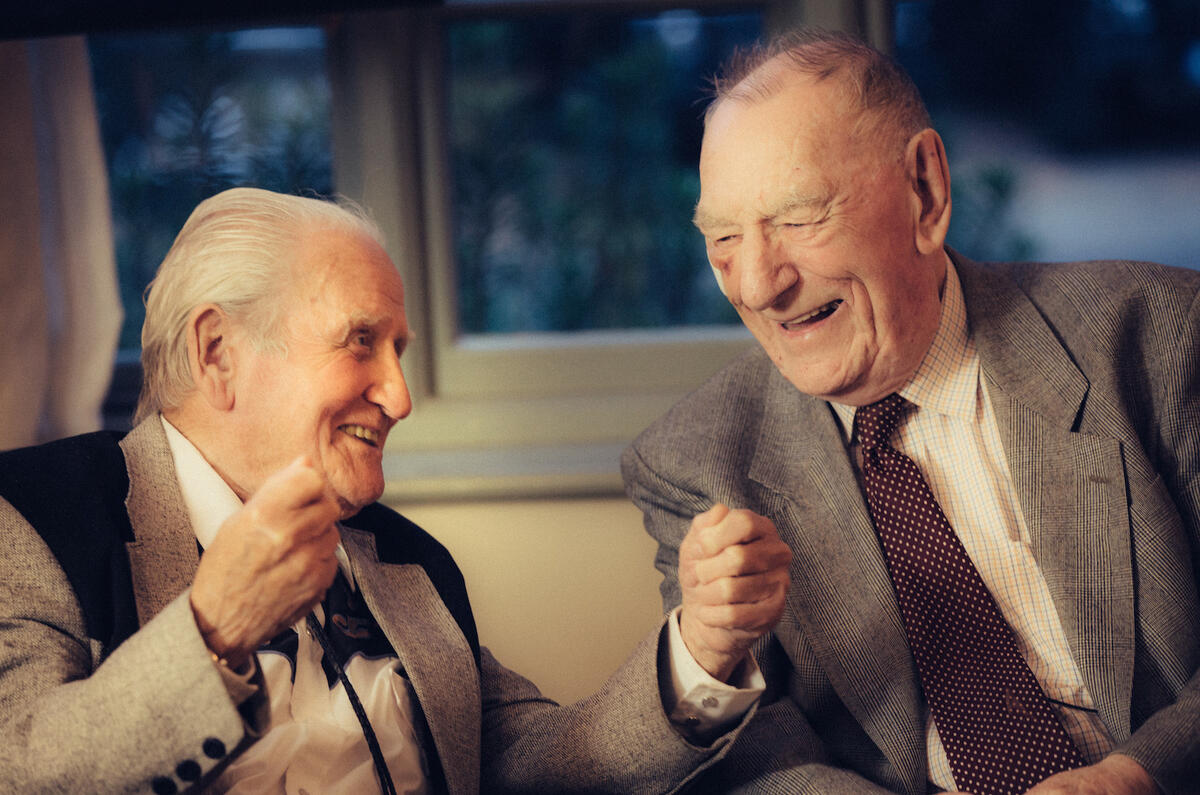
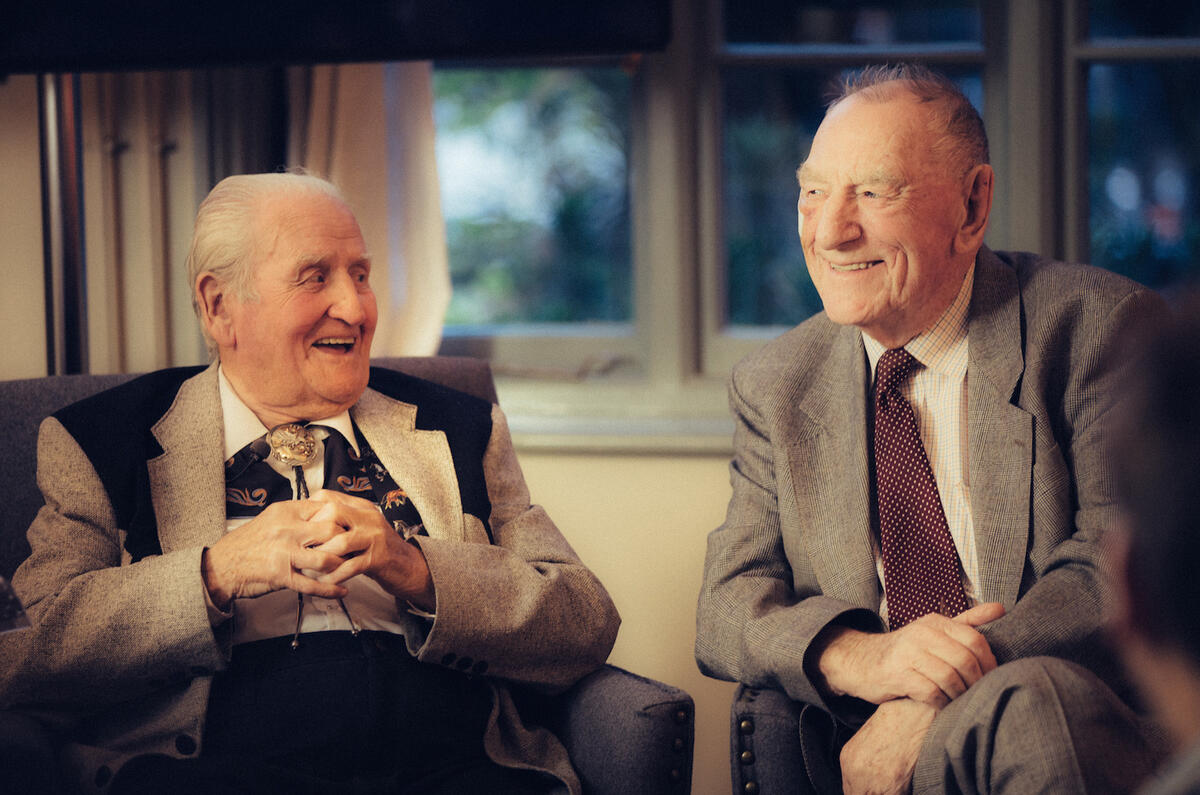
In the car testing profession, I'm introduced to this new technology constantly, which is why when a small collection of lucky people gathered in Churt in the Surrey Hills to listen to Norman Dewis and Arthur Goddard speak for the first time together prior to the main event, it was all the more resonant.
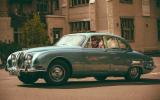
For those who don't know, Norman Dewis was a development engineer for various car firms, but most prominently for Jaguar for more than 30 years. He's 95 years old, but still as sharp as they come, which isn't surprising given he was instrumental in bringing celebrated cars - among many others - such as Jaguar's C, D and E type models to fruition.
Arthur Goddard is no less important a man. Or sharp, despite being 94 years of age himself and having travelled from Australia to be there - which is where he now calls home. Arthur was in charge of the initial fleet of development Land Rovers, which is only just going off sale some 67 years later in Defender form.
Amazingly, these two had met before, back in the 1950s, yet when Norman's invite for came through he couldn't believe it would be the same Arthur Goddard. But it was, and the stories they proceeded to tell about their experiences developing cars and technology back in the day had a room of people transfixed.
Stories such as Arthur remembering the time he had to present a bespoke original Land Rover to the Queen and Duke of Edinburgh after it was decided a large number should be manufactured and sent to various Commonwealth nations around the world as part of Her Majesty's tour. Months of doubt and worry were instantly dispelled by the Queen, who wandered out in her dressing gown, along with Philip in matching attire, and gave it the nod. Arthur met her again years later, and she still remembered.