

What’s it, then: the game’s up, and the internal combustion engine’s execution warrant has been signed.
At least, that’s what I have been reading in the newspapers, as they react to the aftershocks of the discoveries that diesel is bad for you (true), that car makers fudge their emissions (true, in some cases) and that cars therefore have to go electric in the UK by 2040 (ah, about that).
That last bit, see. ‘Going electric’ and ‘no more petrol and diesel cars’ apparently allows for hybrid petrol and diesel cars, thus rendering the announcement entirely redundant – a mere “political statement”, as Aston Martin CEO Andy Palmer put it. It’s government policy reduced to virtue signalling, like temporarily changing your social media profile picture or retweeting Lily Allen.
Ford launches scrappage scheme for pre-Euro 5 vehicles
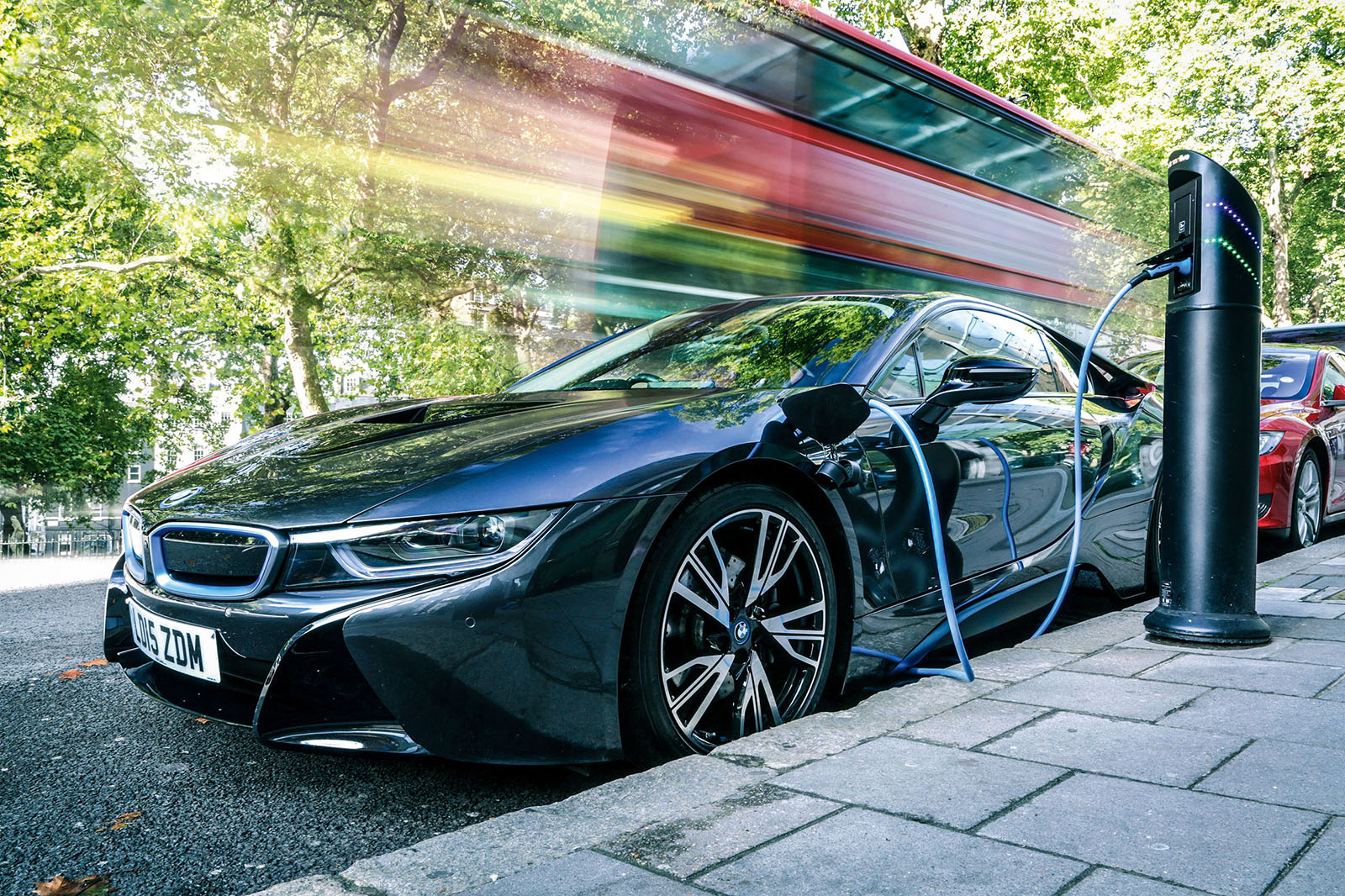
Why? Because if you told car makers they had to only offer hybrid vehicles, most could do it in about 23 months rather than 23 years. But still, the demise of the IC engine has been predicted. Actually even I’ve been at it, suggesting that car makers are chasing an ever-decreasing emissions target.
Which is true, and not just in a small market like the UK’s, but across most of the developed world. The long-term target for tailpipe emissions is set to zero, with a few exceptions. Perhaps then, if we still fail to meet air quality targets, we’ll see just how much lorries, container ships and wood-burning stoves contribute to particulate emissions.
Opinion: How the Goverment's air quality strategy could hit used car buyers
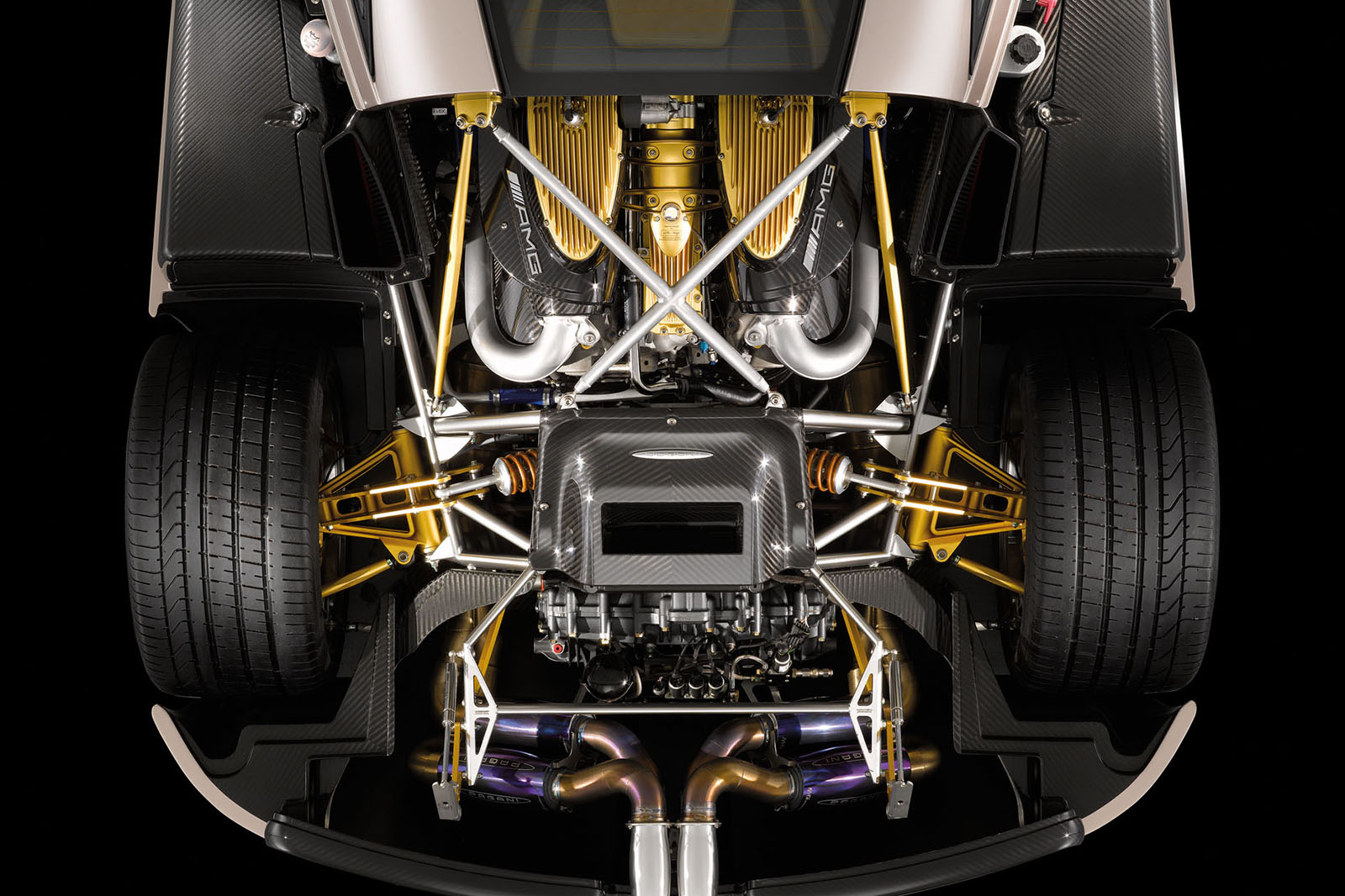
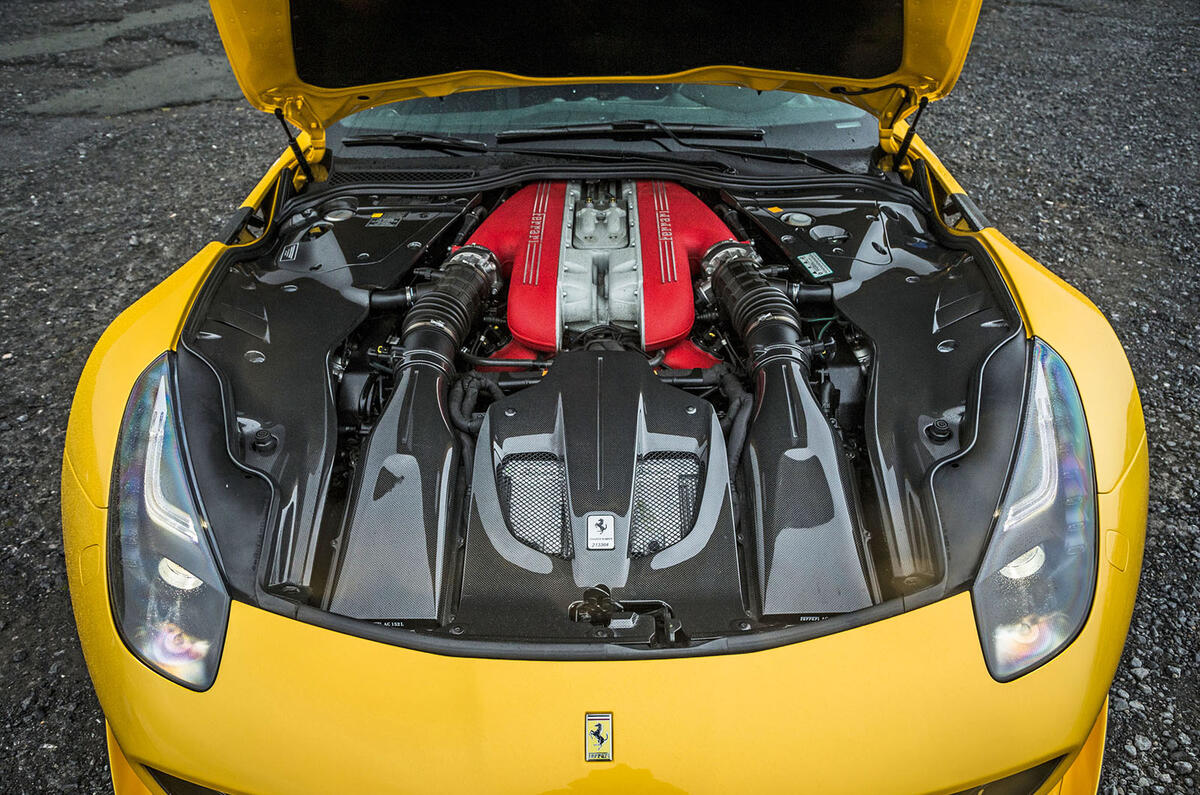
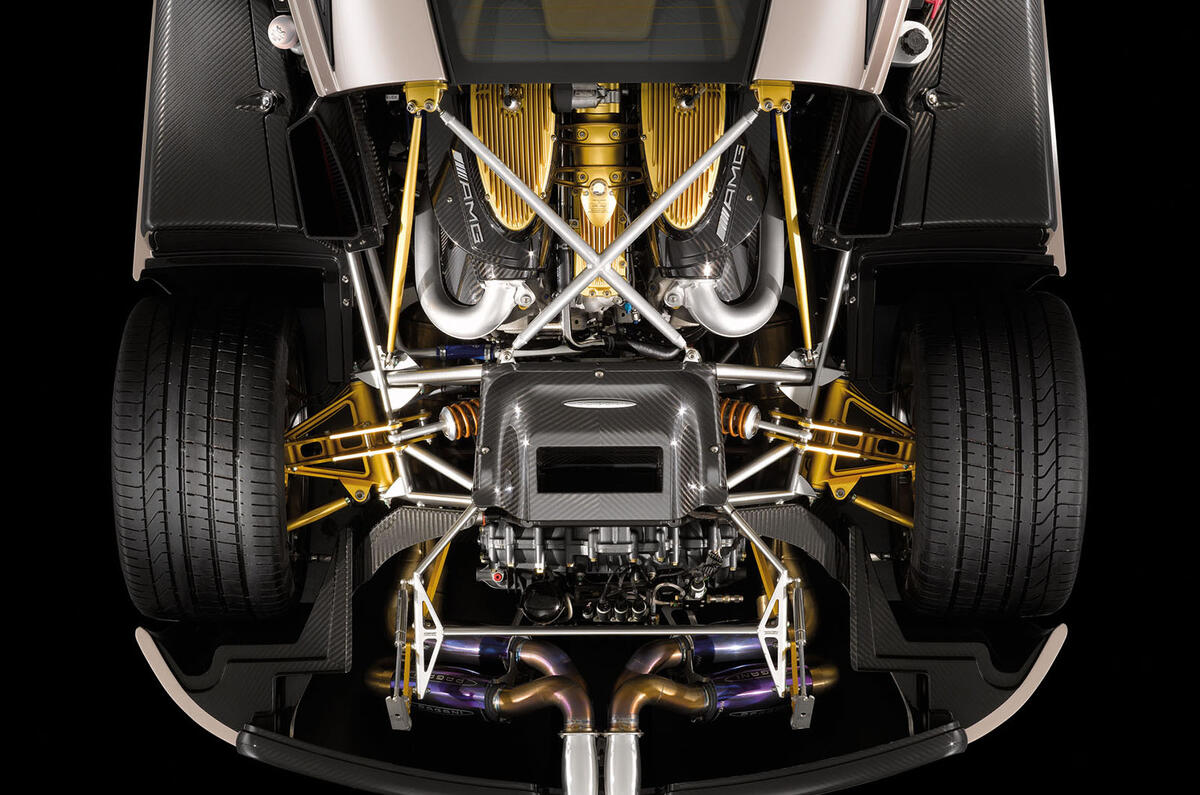
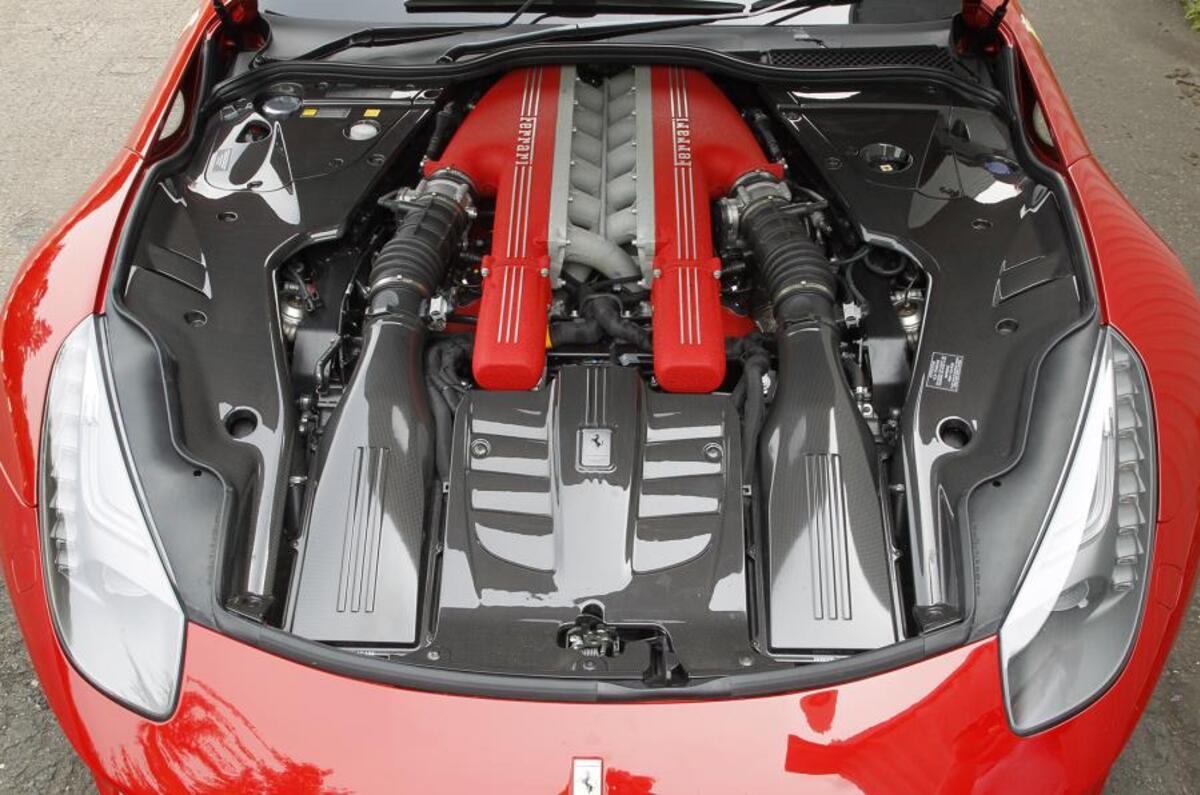
Anyway, I love a V12, but even I can see that it looks daft to the wider public to carry around a large can of fossil fuel, which you explode in tiny, computer-controlled quantities, dozens of times every second, to make kinetic energy as a by-product of heat in order to gain forward momentum, while trying to clean the resulting gases to such an extent that they don’t shorten bystanders’ lives.
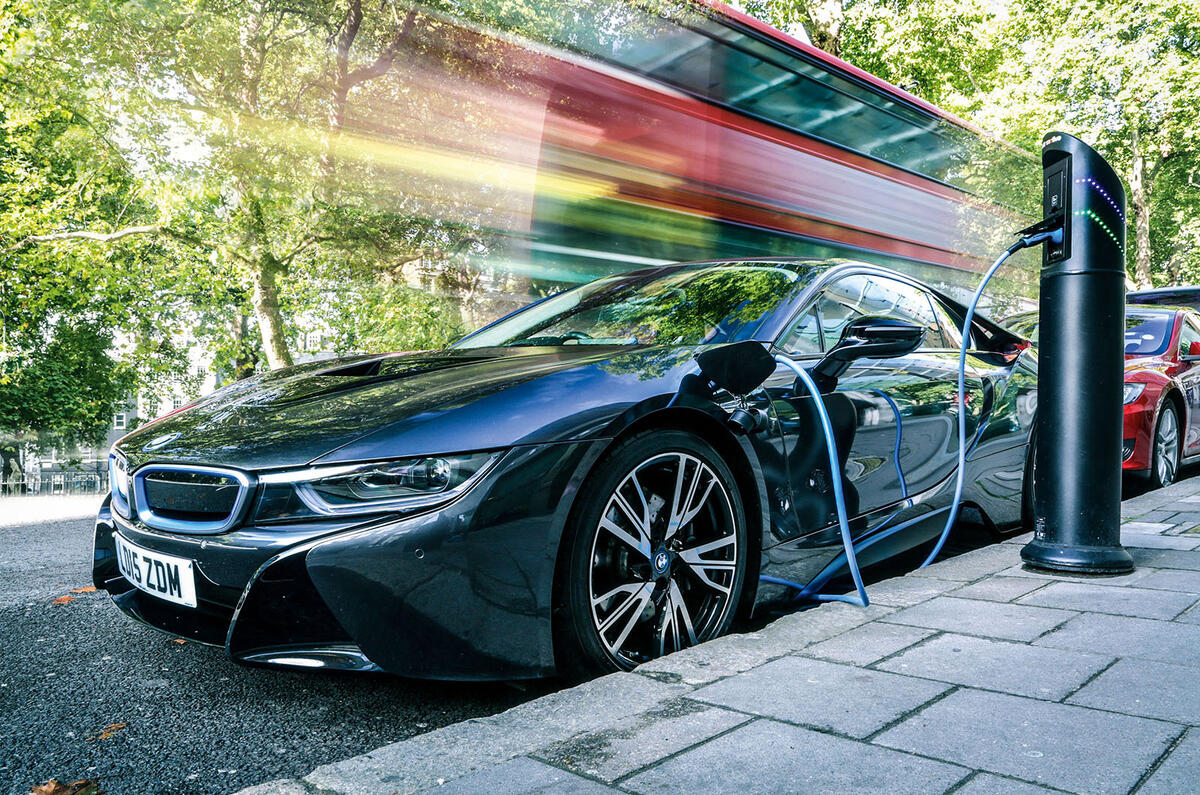
It’s just that the alternative – to develop power, cleanly, in huge quantities and deliver it in doses to cars with fewer moving parts and which are rather more efficient – is way off. When I said it’ll take 50 years for the internal combustion engine to die, I’m talking hotspotted areas.