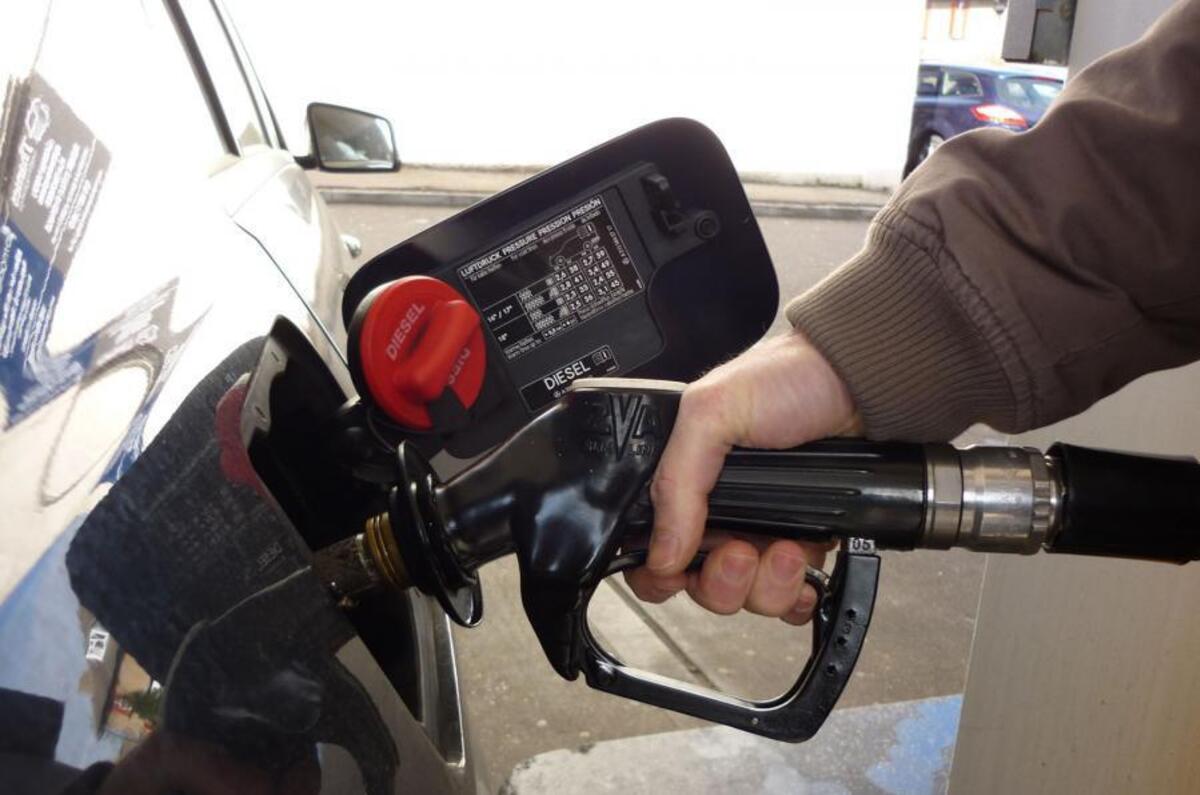

This time last year I wrote about diesel still being the right choice of fuel for some drivers. A reader got hold of my phone number and, after a heated debate, accused me of playing an active role in the deaths of my children (who had been pictured in a report about a long-term test car, a diesel-powered Skoda Kodiaq).
It was, I must admit, quite an emotive finale (yes, I bade him farewell pretty soon afterwards) to a conversation that had, up to that point, been notable for both of us quoting ‘facts’ at one another that we each passionately believed in.
Read more: The 2018 car market winners and losers in detail
My view boiled back to the fact that the very latest diesels - independently tested by mirrored that of the car industry, something that always worries me, as I don’t want to be a stooge who just parrots one side of an argument, but - to stress again - it was backed by the results of our own testing.
His argument, however, was based on the pronouncements on a multitude of academics and doctors, all damning diesel. It takes a pretty special kind of arrogance for a journalist to deny experts in their field, but I still believed that none of the evidence being presented was applicable to the latest diesels that were only just coming to the market.
But what did I know, especially when this time last year there was a mountain of rhetoric to support his stance, much of it pushed out by various government departments (but principally Michael Gove as Environment Secretary) and all of which had built up to a point that ‘dirty diesels’ (regardless of age and emissions-reducing capabilities) had become a staple of the front pages for a period?
Now, 12 months on, is it time to reassess the so-called facts? I think so, chiefly because the idea that modern diesels are part of the solution rather than problem is gathering pace, the arguments now backed by the results of the new, tougher-than-ever WLTP test regime that has been rolled out across Europe and which - even attackers of ‘old’ diesels are starting to admit - are proving the significant gains that have been made.
Inevitably, pro-diesel rhetoric in government has been less widely reported than the more emotive counter-arguments, but look closely (most notably to Greg Clark, Secretary of State for Business, Energy and Industrial Strategy) and the message is clear: modern diesels can be appropriate purchases. This stance is further backed by rulings making it clear that new diesels are clean enough to avoid city centre bans and more, and have also been echoed by current transport secretary Chris Grayling.
Job done, then? Today’s official figures, revealing that diesel registrations have fallen for 22 consecutive months, suggest otherwise. Whether you consider the facts or the rhetoric to have moved, the car-buying public certainly don’t seem to have got the message.